
Business & Management
MBA Shortlist for Graduate Admission Test (GAT) 2021/2022








Business & Management
Makerere University Marks Africa Statistics Day 2026 with Call for Stronger WASH Data Systems

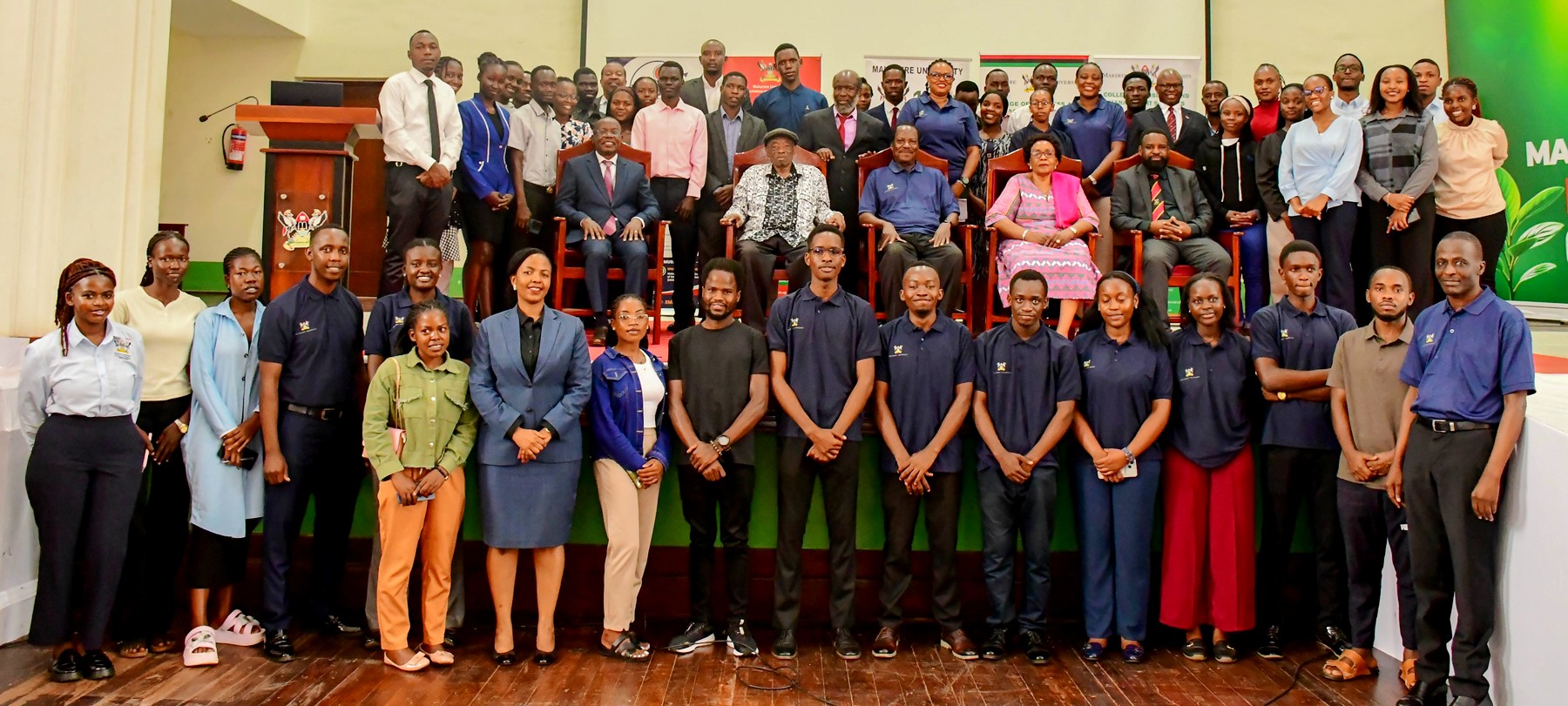
By Ritah Namisango and Monica Meeme
November 17, 2026: Makerere University’s College of Business and Management Sciences (CoBAMS), through the School of Statistics and Planning (SSP) and the Centre for Population and Applied Statistics (CPAS), hosted a high-level symposium on Tuesday, 17th November 2026, to commemorate Africa Statistics Day.
Held in the Makerere University Main Hall under the theme, “Institutionalizing WASH Statistics to Drive Sustainable and Climate-Adaptive Development in Uganda,” the event brought together statisticians, researchers, policymakers, development partners, academics, alumni, and students. The symposium highlighted the vital role of reliable data in strengthening water, sanitation, and hygiene (WASH) services across the country.
The day’s programme featured an opening ceremony, a keynote address, a research poster exhibition, an expert panel discussion, the presentation of appreciation awards, and a community service outreach activity.
Bridging Statistical Research and Public Policy
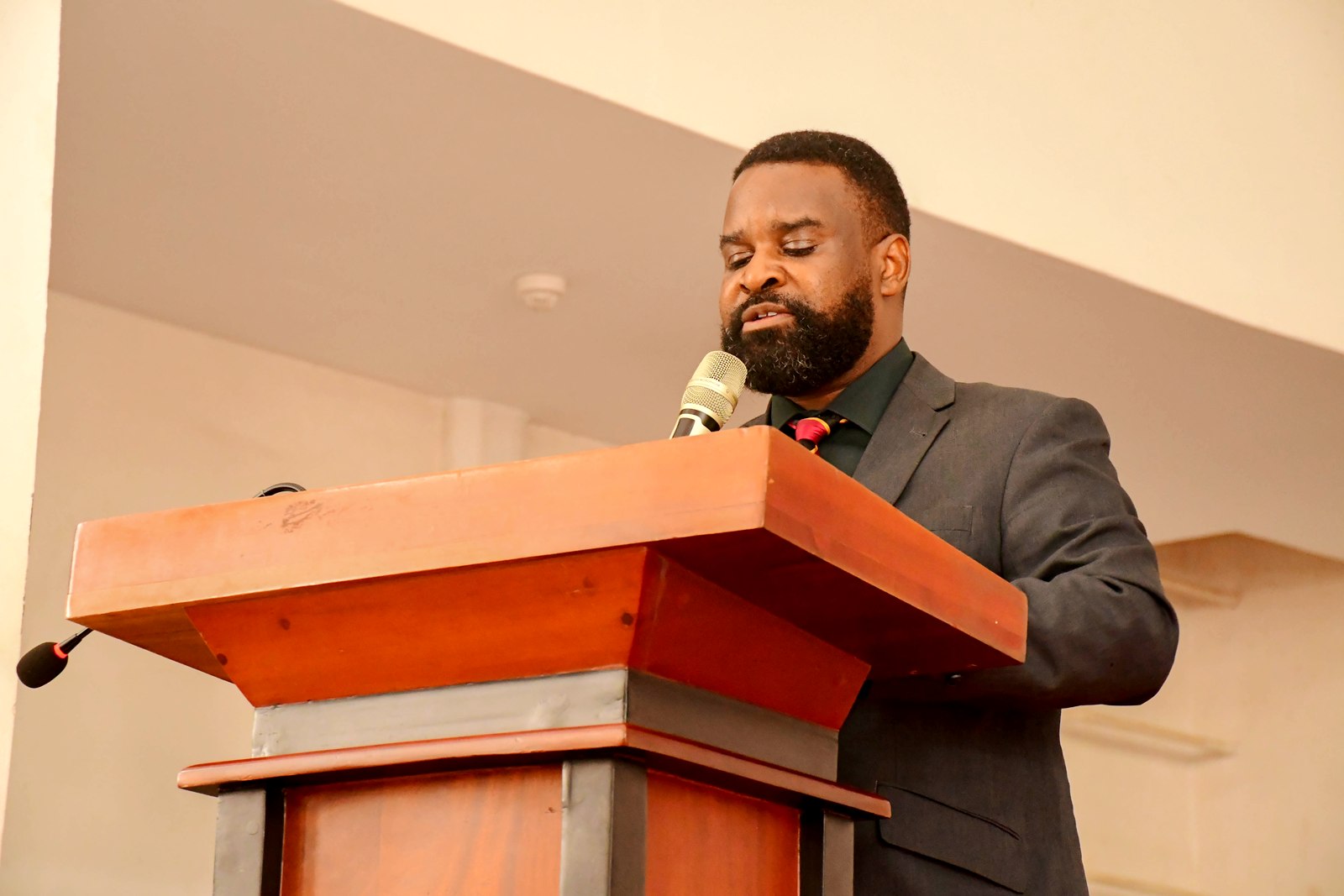
Delivering remarks on behalf of the Deputy Vice Chancellor (Academic Affairs), Prof. Sarah Ssali, the Director of Research, Innovation, and Partnerships, Prof. Robert Wamala, called for deeper collaboration among universities, government institutions, and industry to translate research into practical development solutions.
“Academic institutions need to strengthen research capacity, develop relevant methodologies, and generate evidence to address societal challenges,” Prof. Wamala said, conveying Prof. Ssali’s message.
Prof. Ssali commended the Uganda Bureau of Statistics (UBOS) for its leadership in producing official statistics and urged participants to generate actionable recommendations. She pointed to major research opportunities in WASH-such as using statistical models to identify communities vulnerable to water scarcity, mapping inequalities in safe water access, and planning climate-resilient infrastructure.
“Reliable statistics should not only describe development challenges, but also explain their causes, anticipate risks, and guide effective interventions,” she noted, encouraging students to apply their classroom knowledge through fieldwork and institutional engagement.
Advancing Evidence-Based Planning and Capacity Building
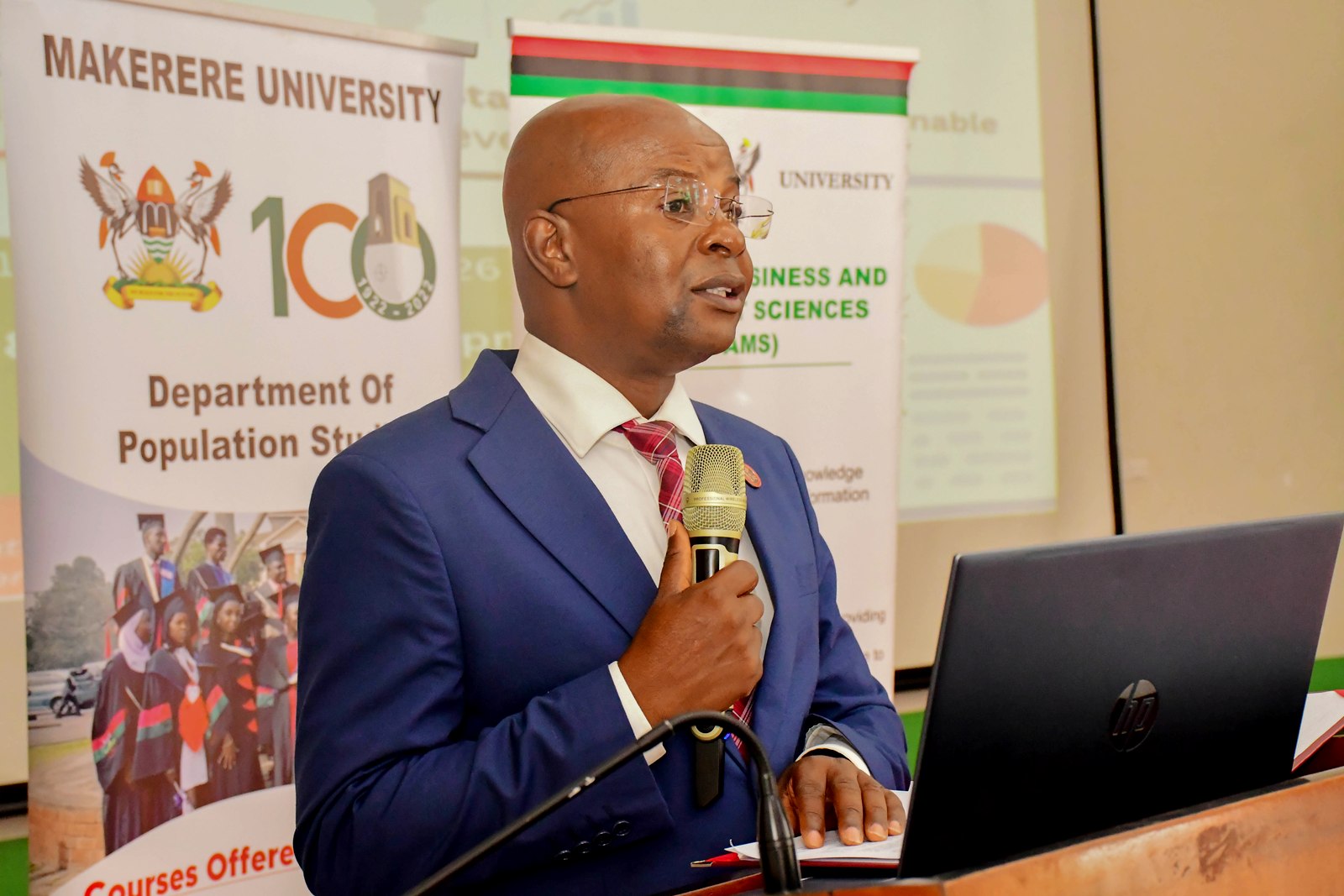
The Principal of CoBAMS, Prof. Edward Bbaale, emphasized that WASH investments directly drive public health, human capital development, labour productivity, and economic growth. He called for integrated statistical systems that merge climate, demographic, geographic, and environmental data to guide resource allocation and protect vulnerable communities. Prof. Bbaale also lauded the collaboration between SSP and the Statistics and Policy Analysis Support (SIPAS) initiative in advancing policy engagement.
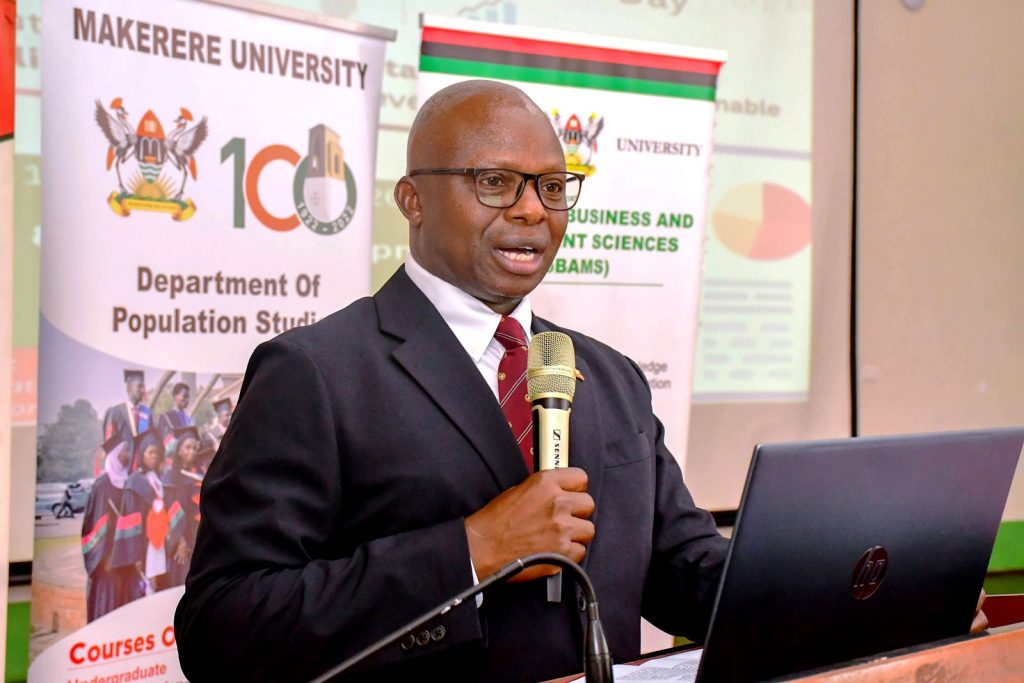
Echoing this call, the Deputy Principal of CoBAMS, Assoc. Prof. James Wokadala, noted that the 2026 theme aligns directly with Sustainable Development Goal 6 (SDG 6) on clean water and sanitation for all. He praised CPAS for expanding professional training and student internships, while applauding the Office of the Prime Minister, the United Nations Children’s Fund (UNICEF), and Kobe University in Japan for supporting inclusive research and social protection.
Addressing the students directly, the Dean of the School of Statistics and Planning (SSP), Dr. Margaret Banga, urged aspiring statisticians to embrace modern technology and sharpen their analytical skills.
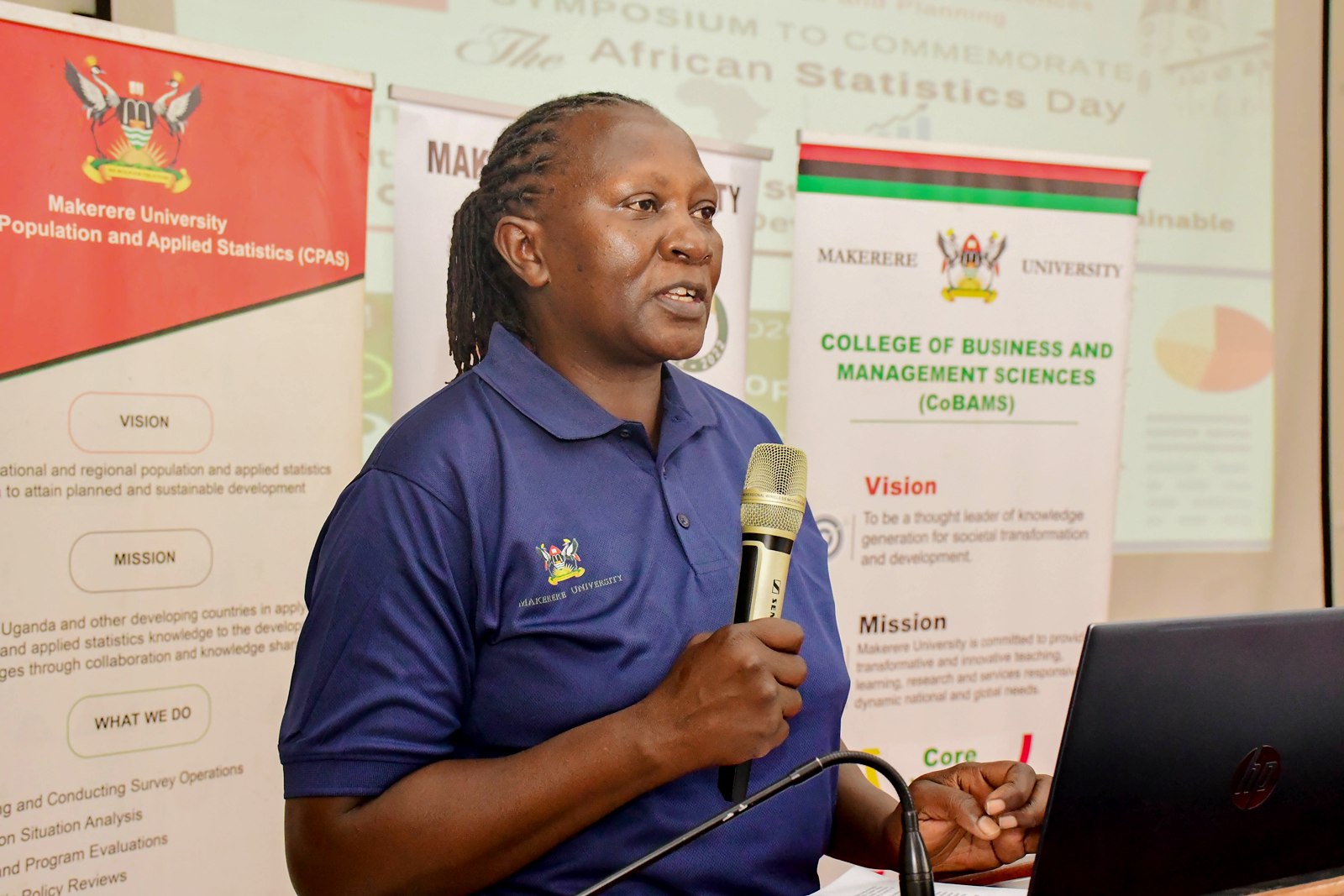
“A good statistician is not simply one who can generate numbers, but someone who can generate credible evidence and communicate it effectively to influence decisions,” Dr. Banga said. “You are not just studying for qualifications; you are preparing to contribute to the transformation of our society.”
Keynote Address: Modernizing WASH Data for Climate Resilience
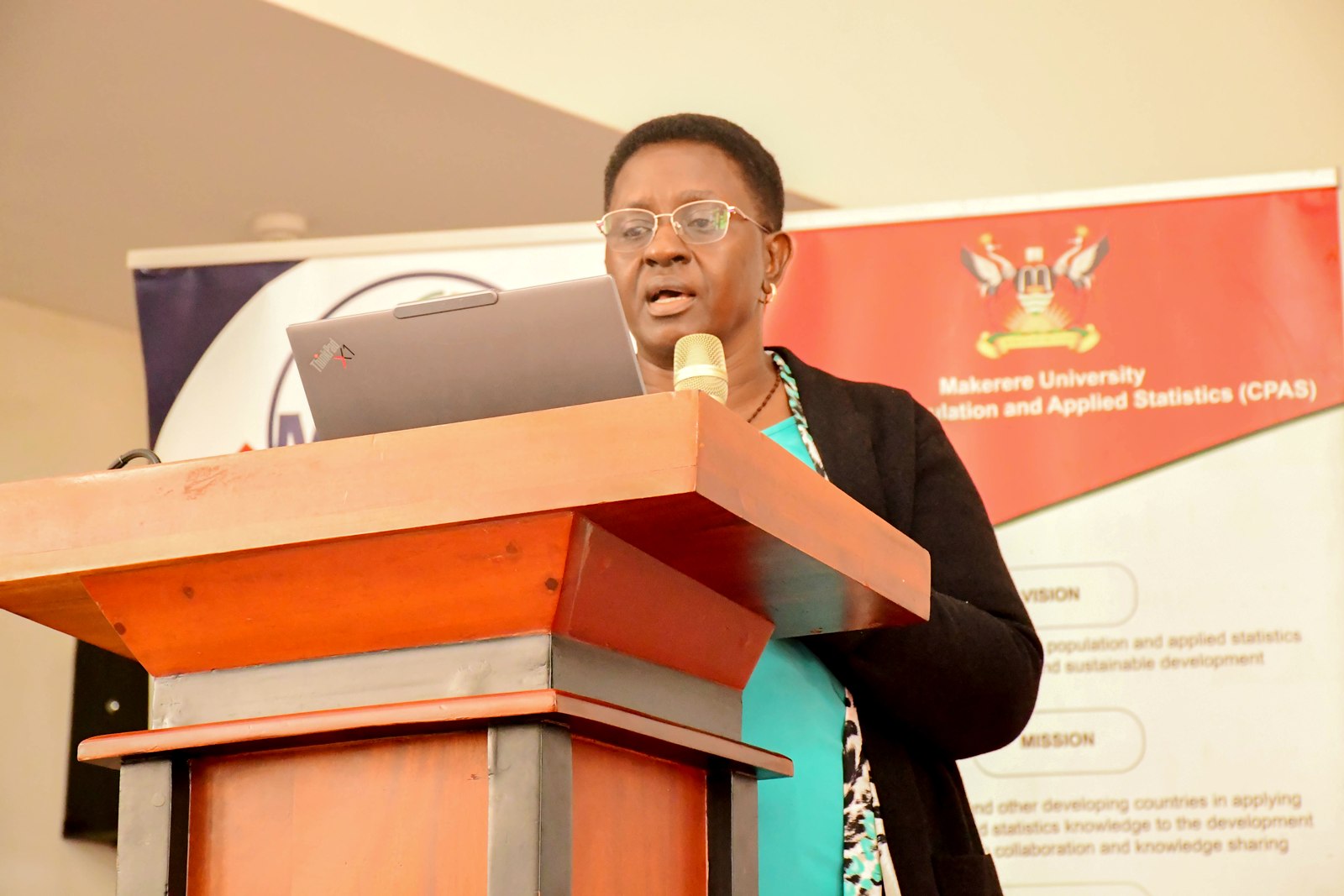
In her keynote address, Ms. Helen Leticia Namirembe Nviiri, Director of Population and Social Statistics at UBOS, described access to safe water and sanitation as a fundamental human right essential for public health, school attendance, and environmental sustainability.
She urged stakeholders to modernize data collection using digital tools and innovation. Citing SDG 6, Ms. Namirembe explained that Uganda tracks WASH progress using the National Standard Indicator Framework aligned with the National Development Plan, and implored students to ensure their data translates into targeted investments and improved living conditions.
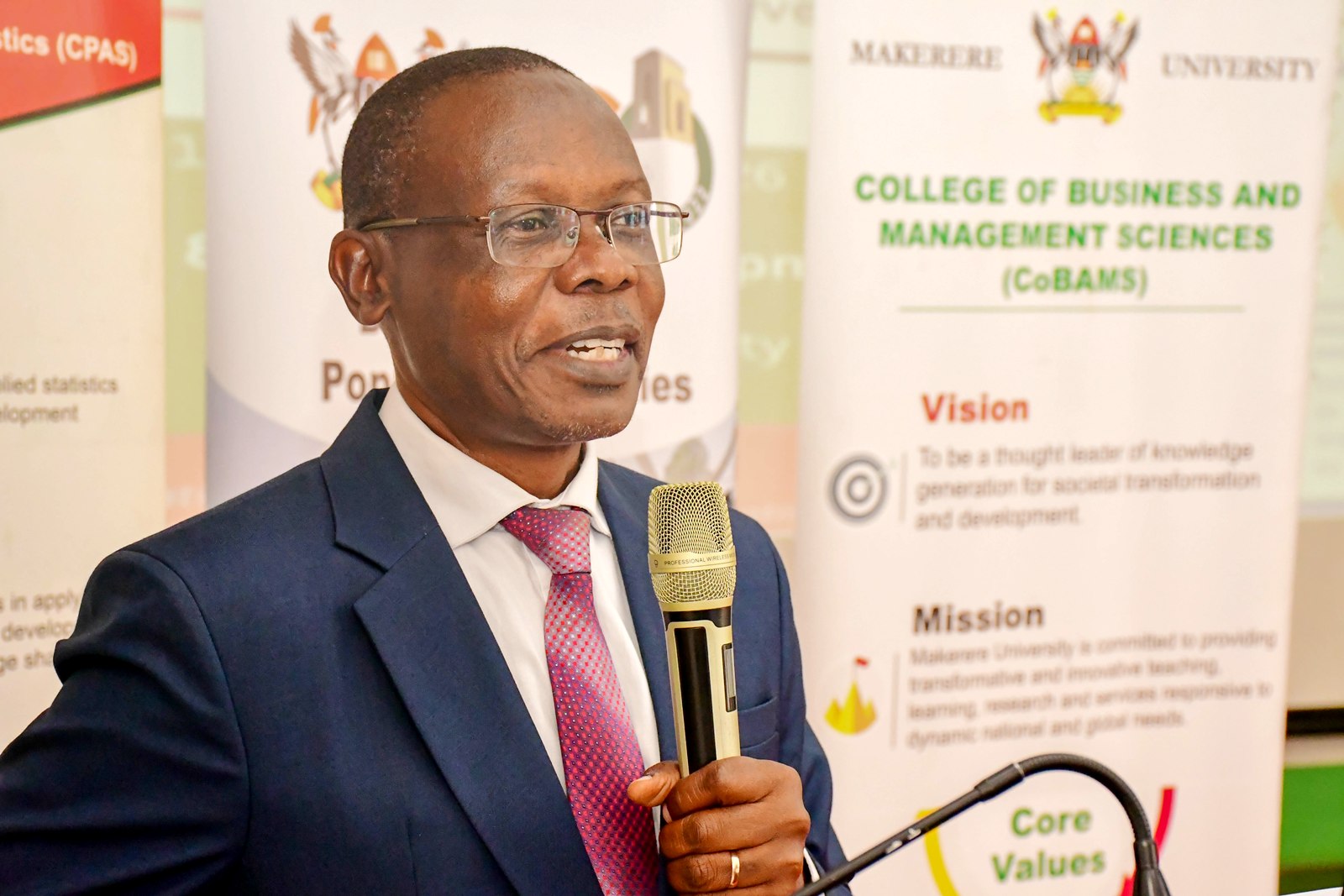
Adding a development partner perspective, UNICEF Consultant Mr. James Muwonge stressed the need for disaggregated data to uncover service delivery gaps affecting women, children, and marginalized communities. Citing the 2024 National Population and Housing Census, he advocated for standardized definitions, stronger local government capacity, and the adoption of Geographic Information Systems (GIS), satellite imagery, and big data to respond effectively to droughts and floods.
Poster Exhibition and Expert Panel Discussion
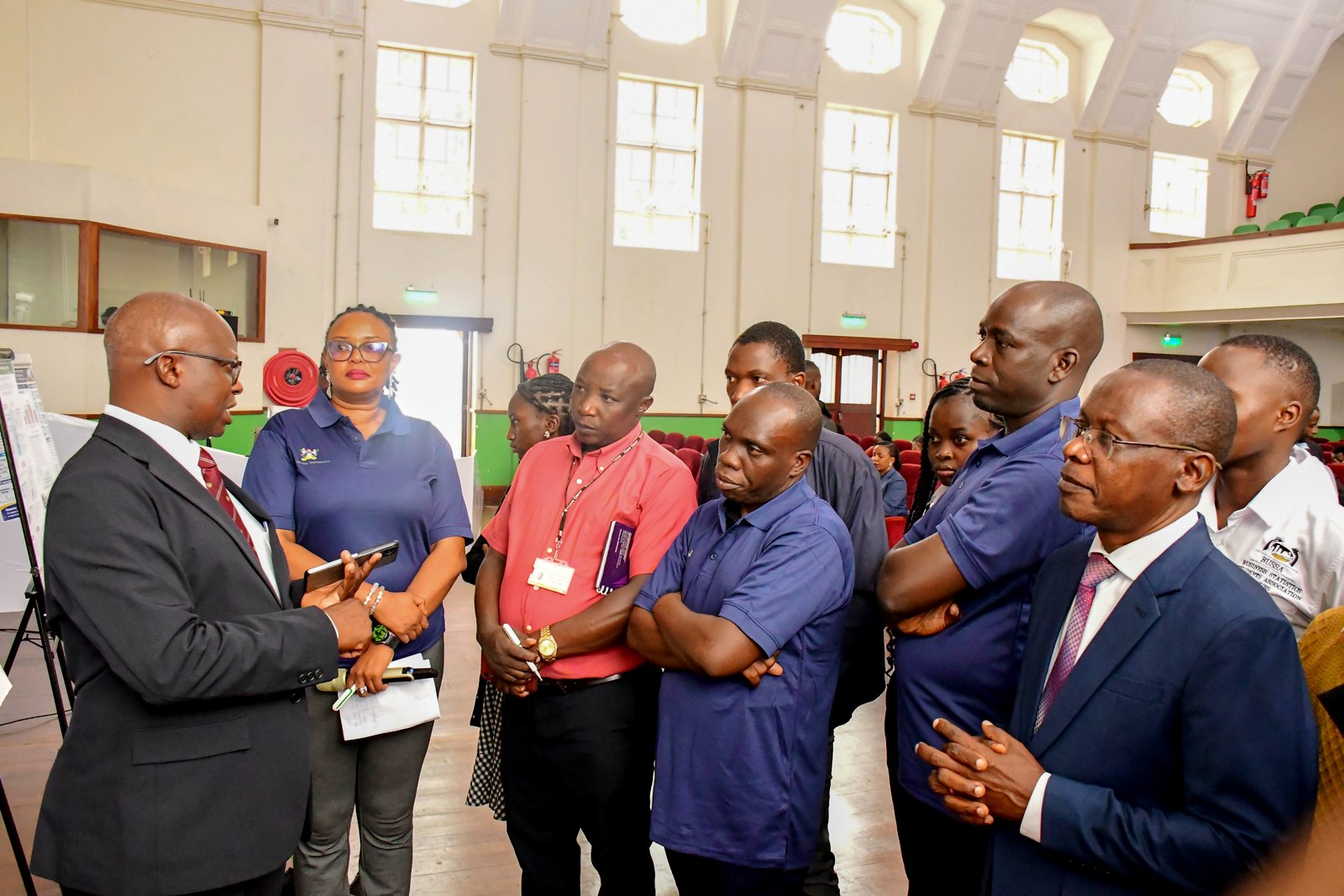
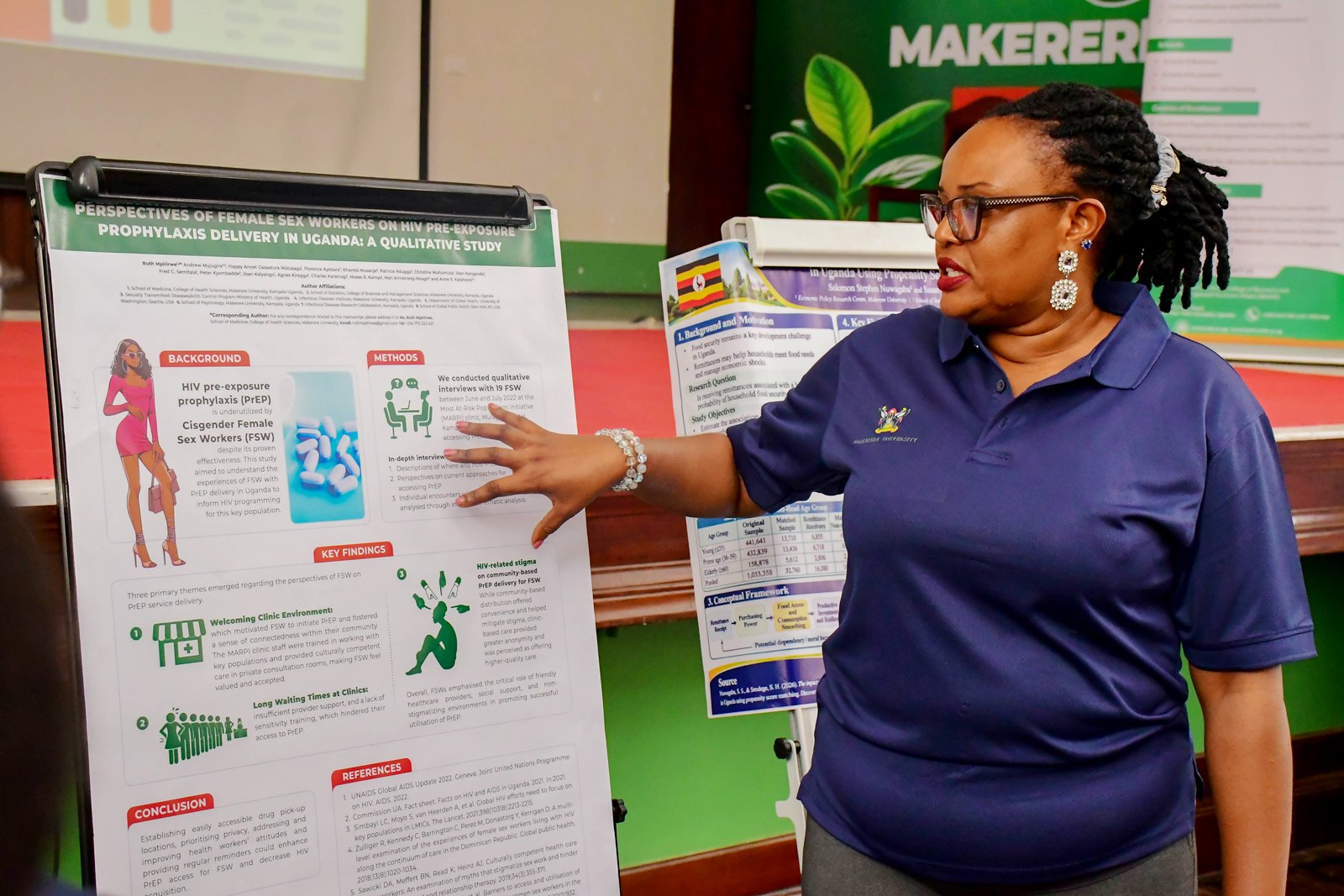
Alongside the plenary sessions, participants toured a Poster Exhibition showcasing innovative statistical research and student-led data solutions addressing Uganda’s water, sanitation, and climate challenges.
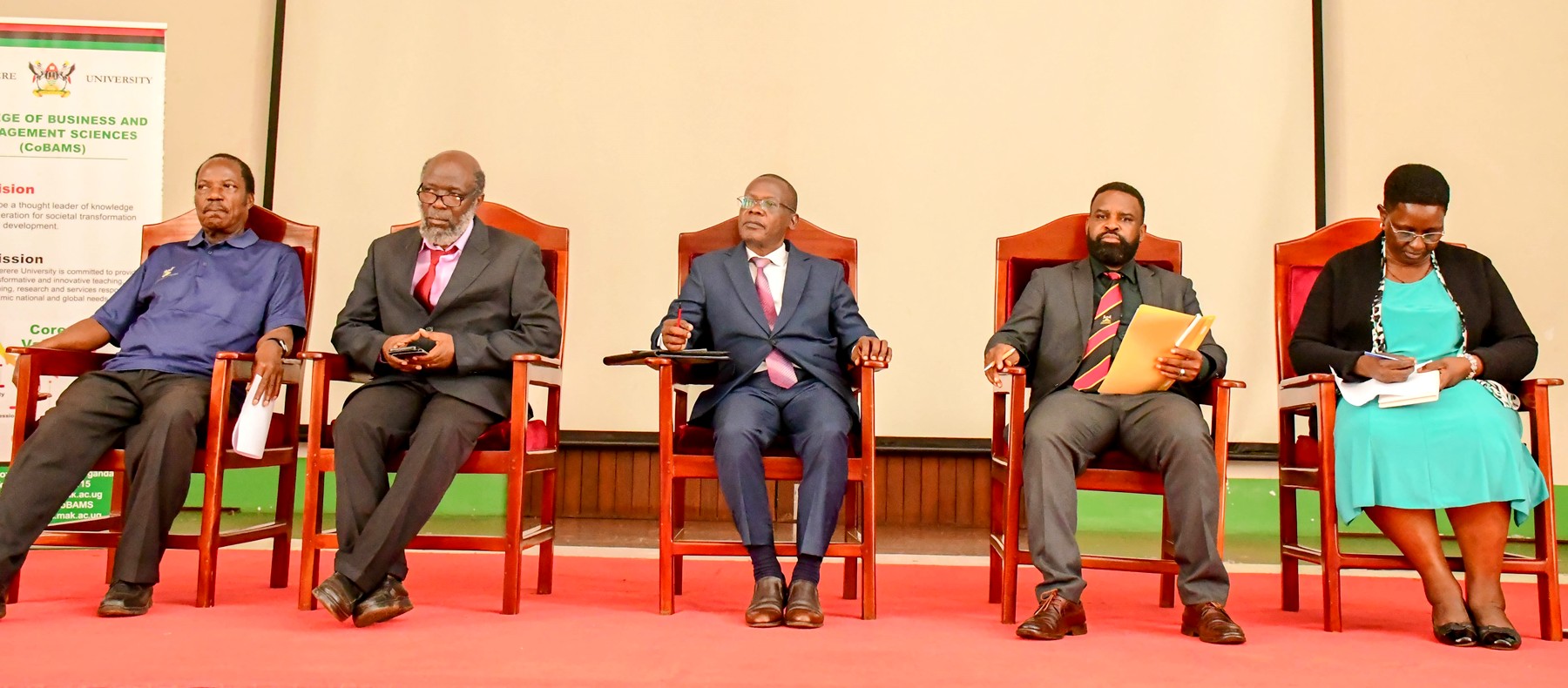
The symposium also hosted a dynamic Panel Discussion examining strategies to institutionalize WASH statistics across government and academia. The panel featured:
- John Ssekamatte Ssebuliba, Acting Head, Population and Social Sector Planning, National Planning Authority (NPA)
- Prof. Yovani M. Lubaale, Busitema University
- James Muwonge, Consultant, UNICEF
- Robert Wamala, Director of Research, Innovation, and Partnerships, Makerere University
- Helen Leticia Namirembe Nviiri, Director of Population and Social Statistics, UBOS
Recognition of Outstanding Contributions to Statistics
A highlight of the celebration was the presentation of Appreciation Awards honouring individuals and partners for their distinguished contributions to the statistics profession and community development:
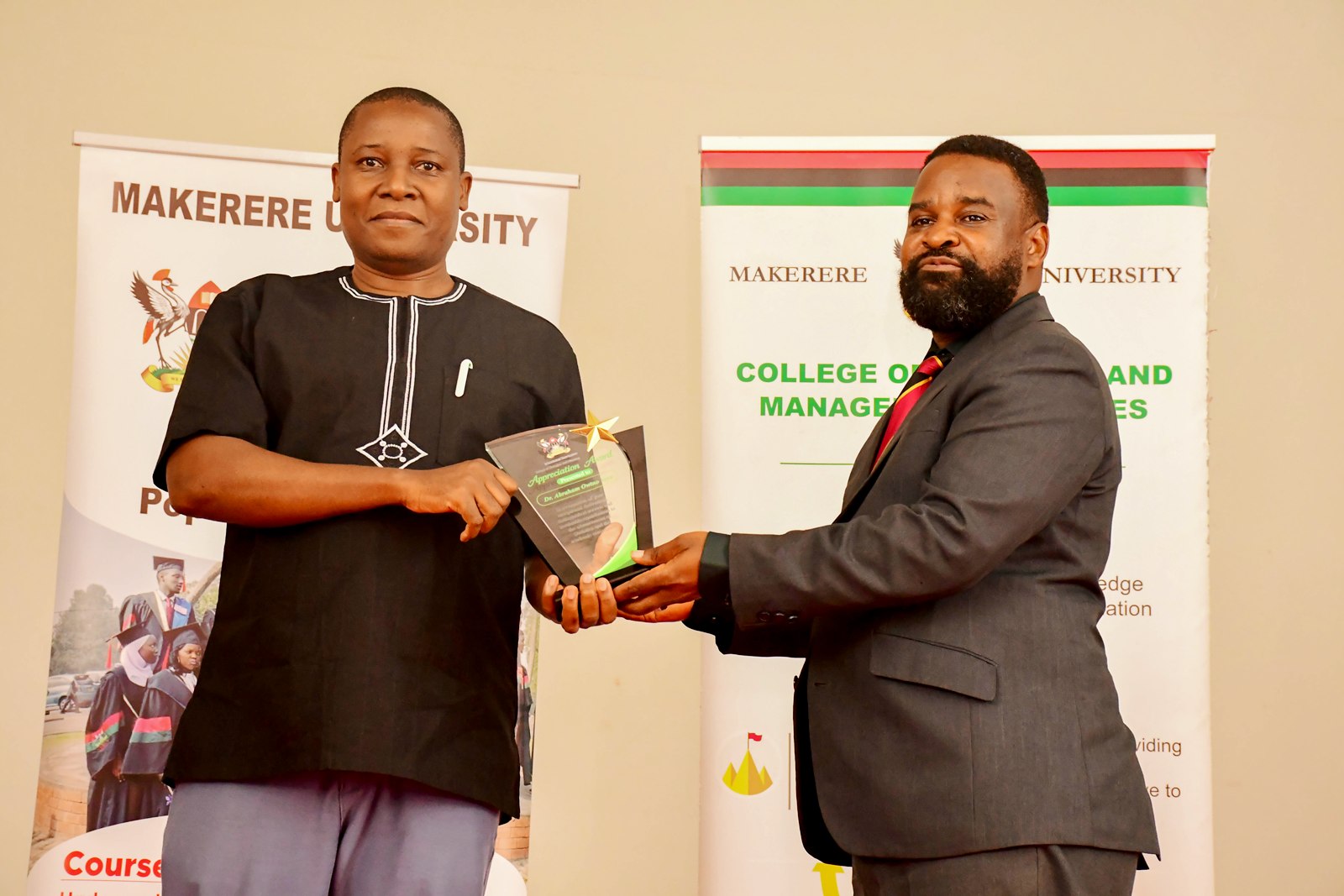
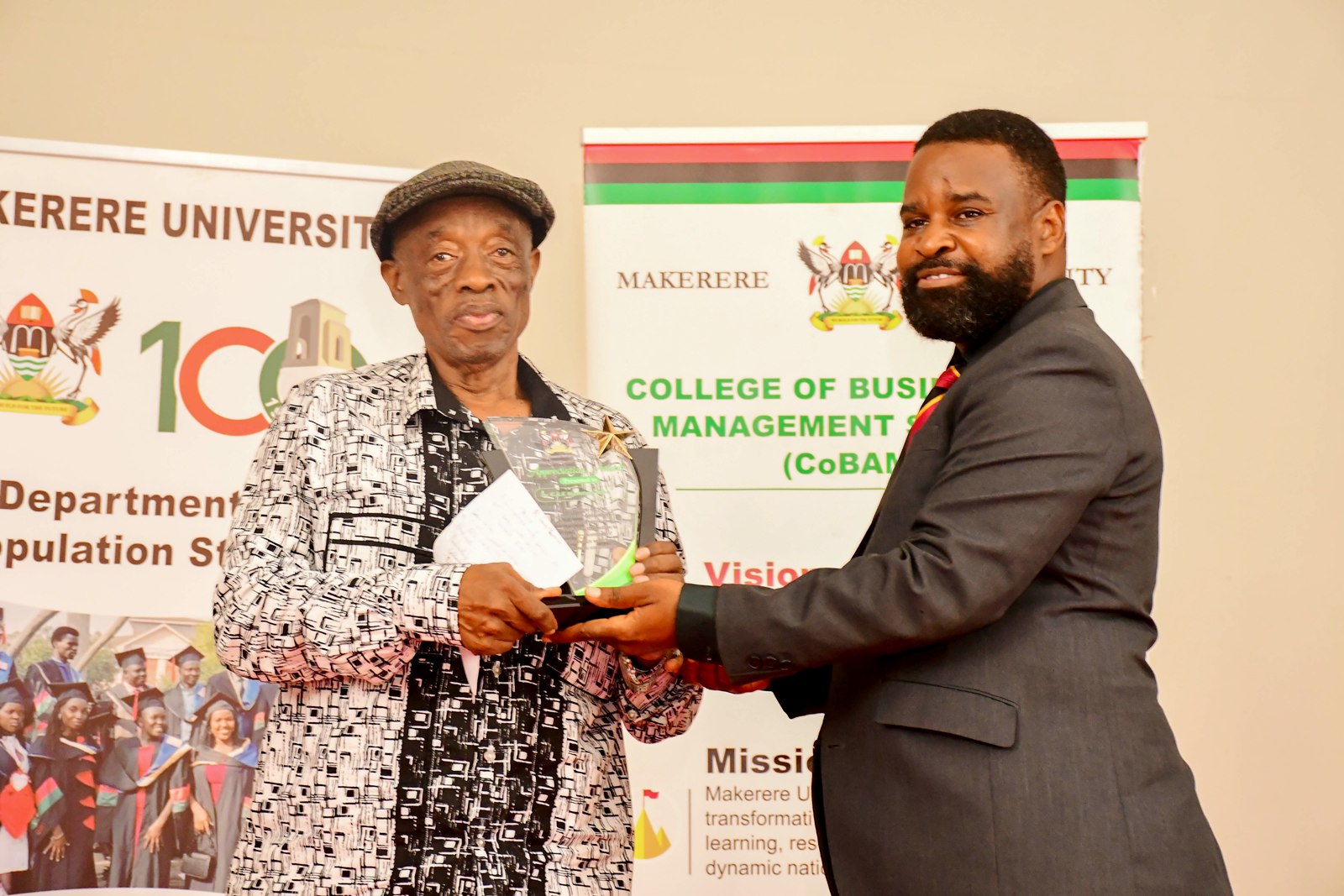
Dr. Abraham Owino Yeyo (Faculty Member, CoBAMS, Makerere University),
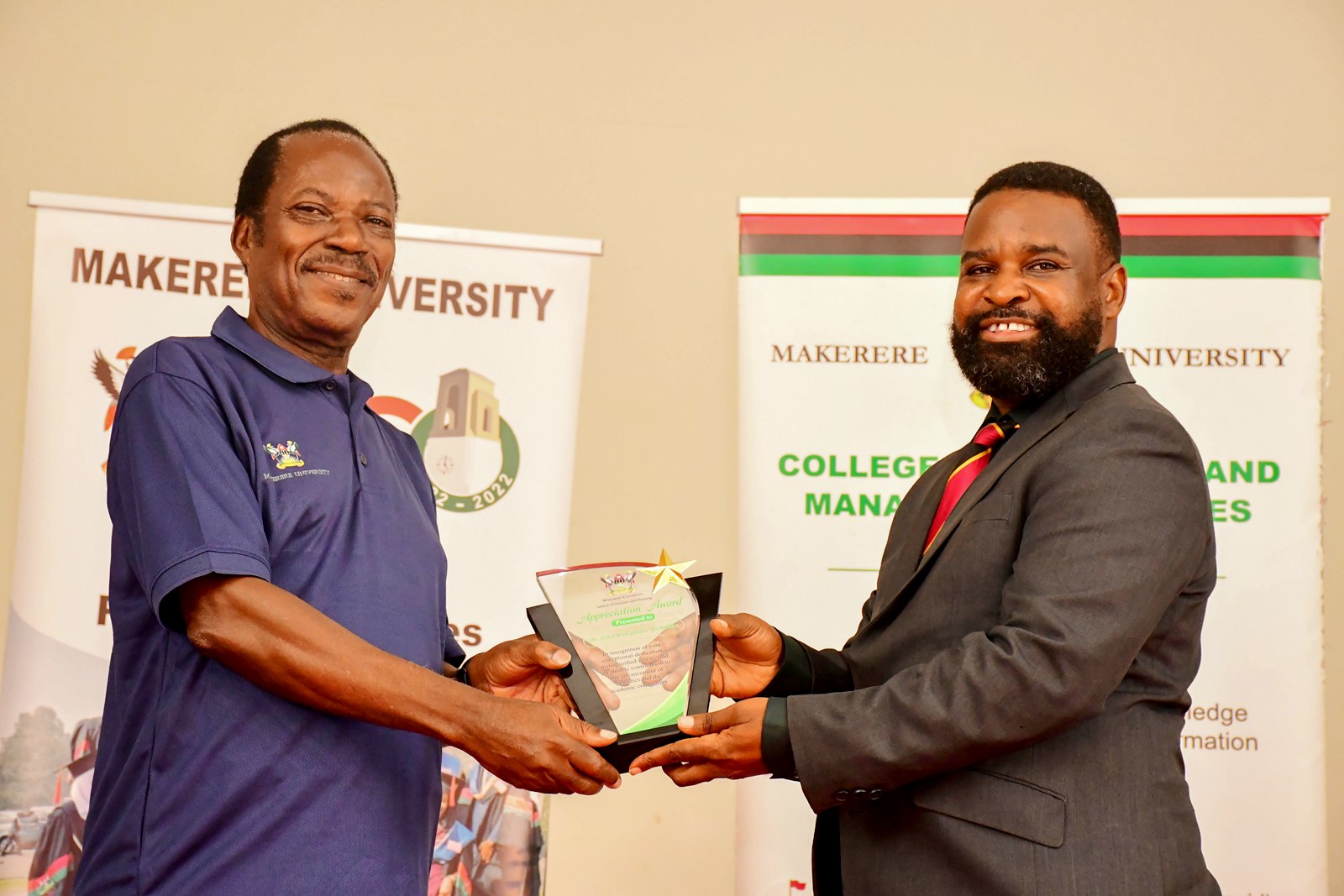
Dr. John Ssekamatte Ssebuliba (NPA), and Dr. E.S.K. Muwanga-Zake (Professional Statistician) were recognized for their exceptional dedication, distinguished service, and invaluable contributions to advancing statistics and academia.
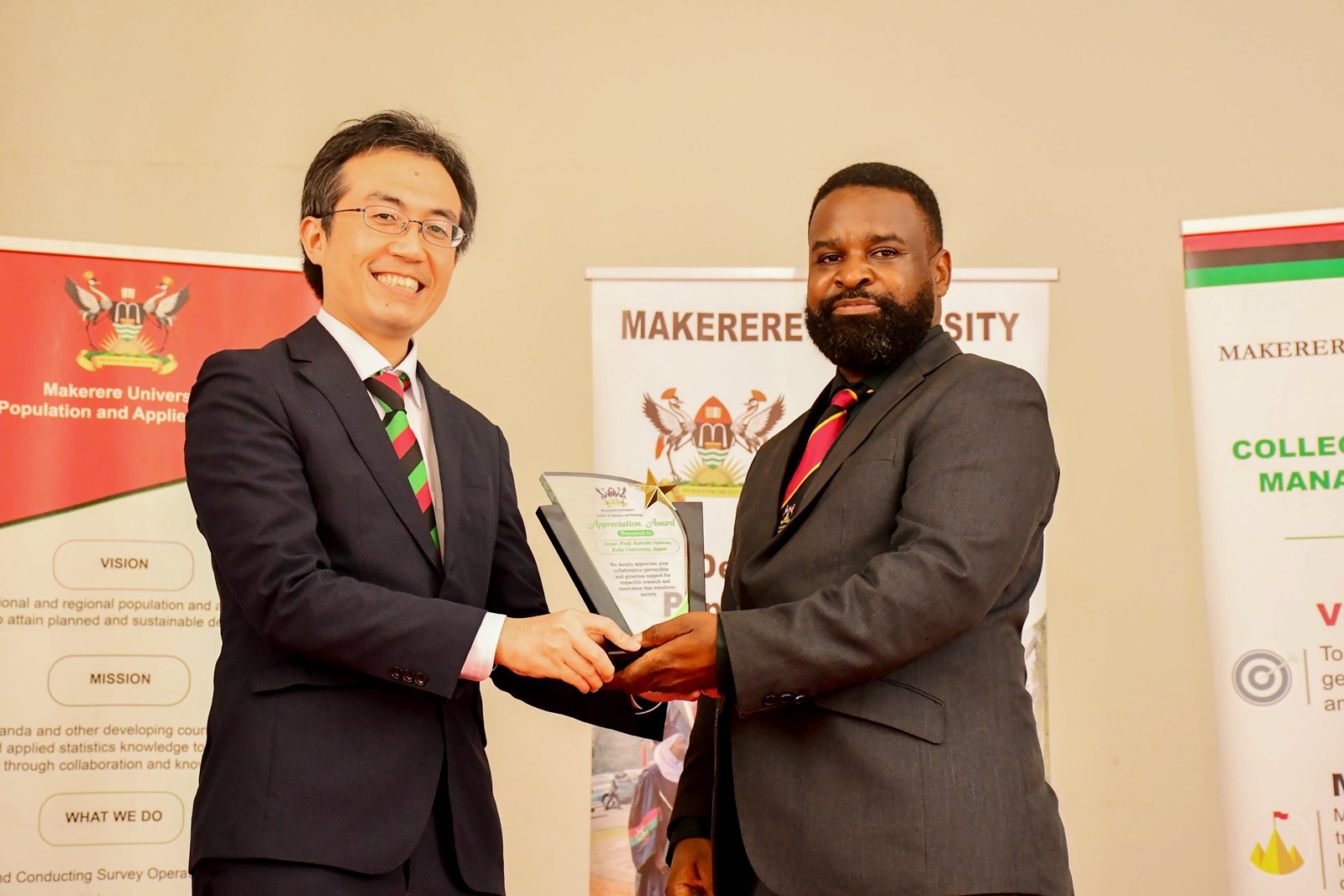
Assoc. Prof. Katsuki Sakaue (Kobe University, Japan) was honoured for his collaborative partnership and generous support toward impactful, society-transforming research and innovation.
Mr. Tawanda Chinembiri (UNICEF Uganda) received an award recognizing UNICEF’s strong partnership in strengthening community outreach and improving the lives of children across Uganda.
Community Service Outreach
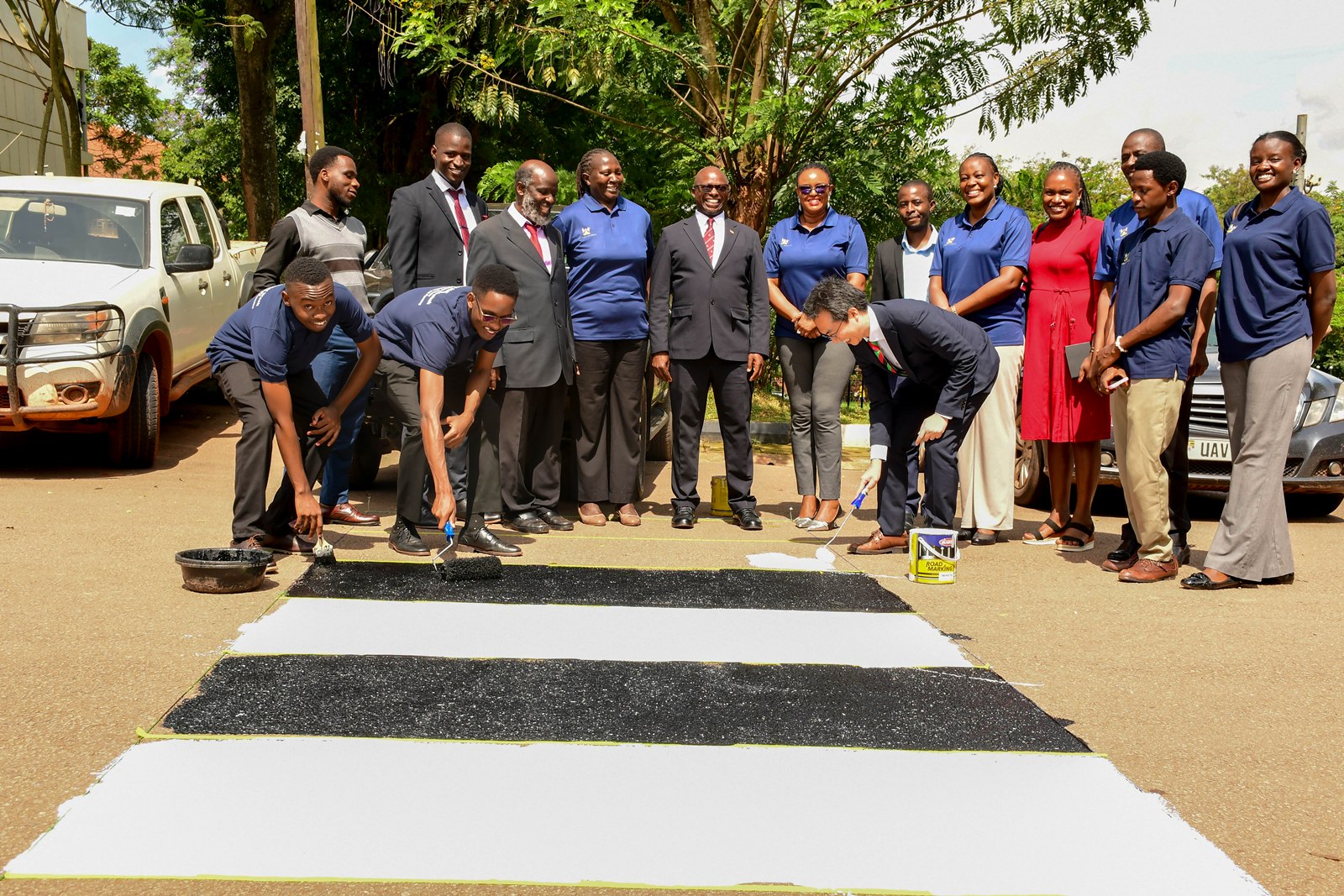
Bringing theory into practical action, the symposium concluded with a Community Service Segment, where faculty, guests, and students stepped outside the Main Hall to paint road humps along the University Road-promoting campus road safety and civic responsibility.
About Africa Statistics Week
Africa Statistics Week 2026 runs from 12th to 20th November 2026, anchored by the continental commemoration of Africa Statistics Day on 18th November. Held annually across Africa, the week-long observance promotes the use of reliable statistics in evidence-based policymaking, strengthens national statistical systems, and fosters collaboration between data producers and users to drive sustainable development.
PICTORIAL:
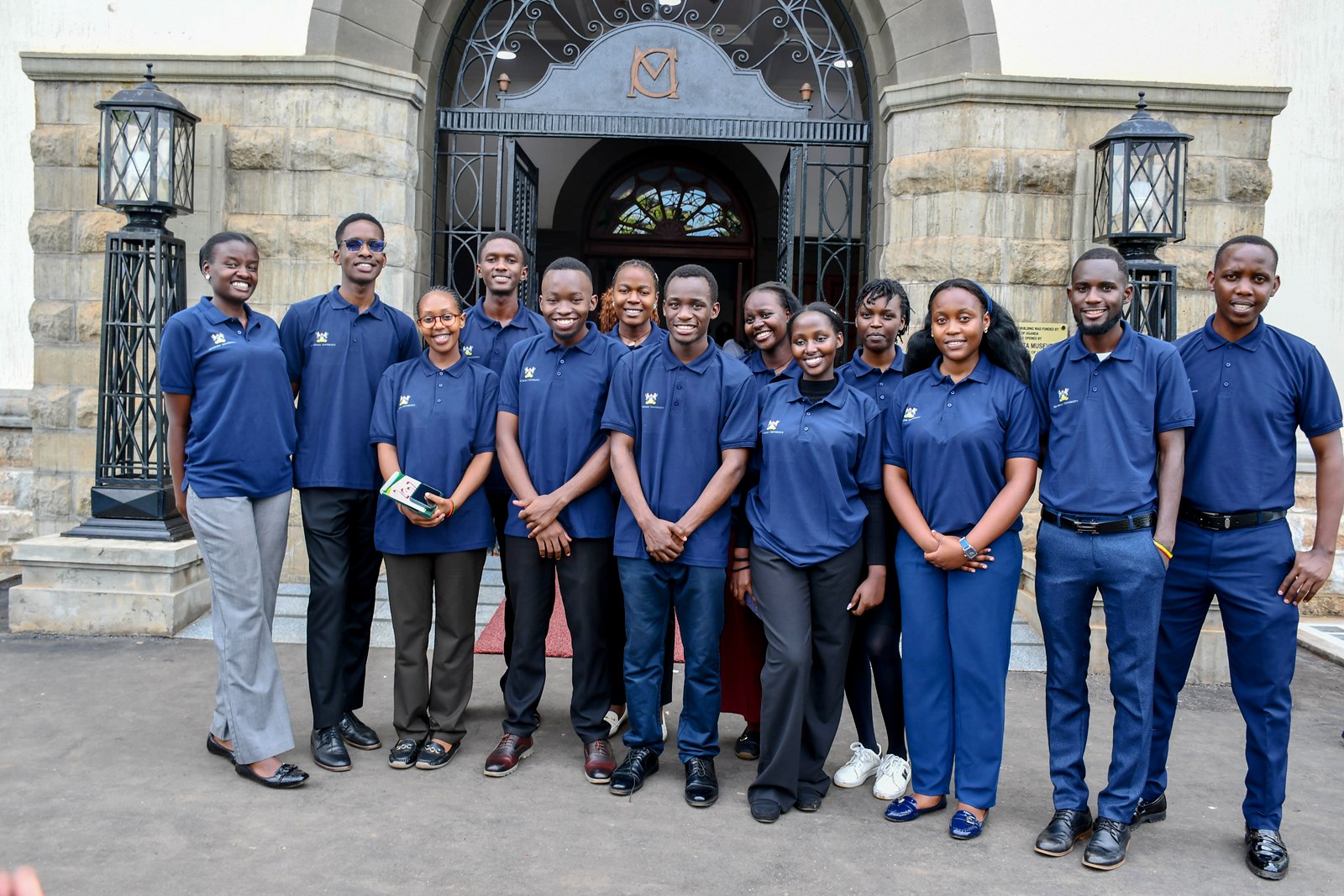
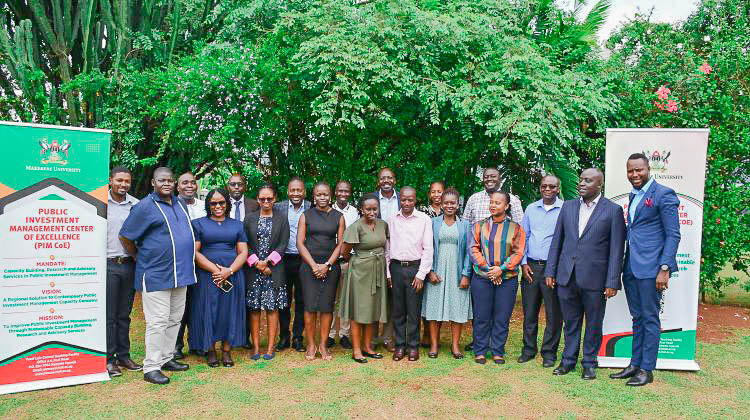
Makerere University’s Public Investment Management Centre of Excellence has begun a two-week intensive training for government officials aimed at strengthening the analysis of policy and legislative proposals and improving the quality of financial decisions across government.
The training, conducted in partnership with the Ministry of Finance, Planning and Economic Development, focuses on Integrated Regulatory Cost-Benefit Analysis under the revised Guidelines for Financial Clearance.
Participants drawn from government ministries, departments and agencies are being equipped with practical skills to assess the financial, economic and wider implications of policies, Bills and other proposals before they progress through government decision-making processes.
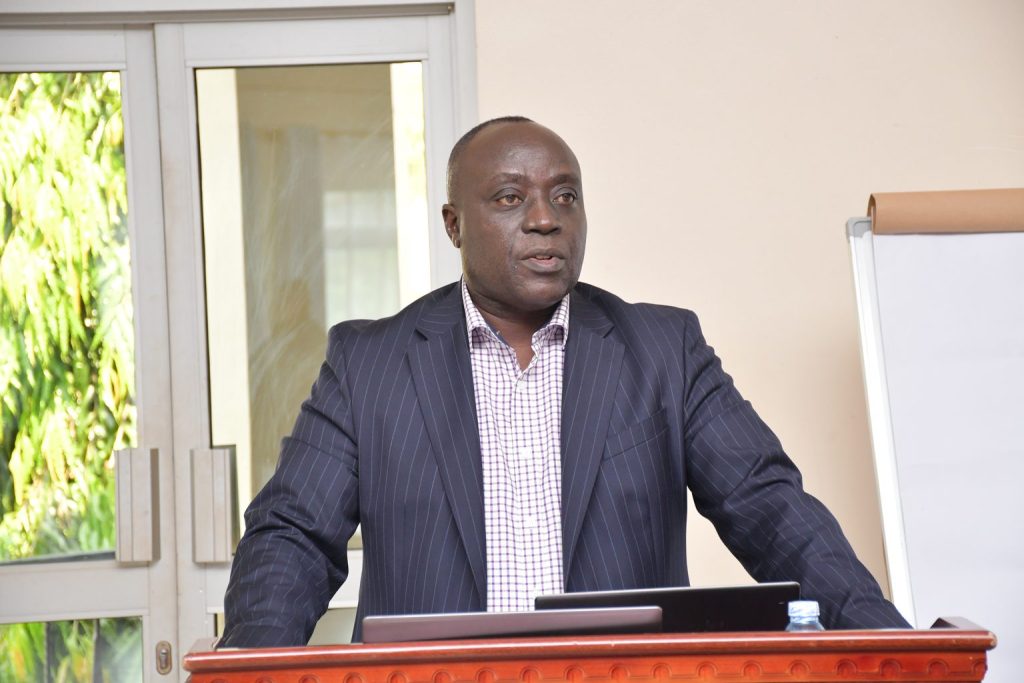
Opening the training, Mr. Paul Mwanja, Commissioner for Infrastructure and Social Services at the Ministry of Finance, Planning and Economic Development, said the capacity-building programme comes at an important stage in the implementation of Uganda’s revised financial clearance framework.
He noted that the Certificate of Financial Implications is an important safeguard for ensuring that policy and legislative proposals submitted to Cabinet or Parliament are consistent with government’s fiscal objectives and national development priorities.
“The success of these reforms does not only depend on the strength of the guidelines, but also on the competence and commitment of those who implement them,” Mr. Mwanja said.
The revised Guidelines for Financial Clearance came into effect on 1 July 2025 and introduced stronger institutional and analytical requirements for the consideration of policy and legislative proposals. These include evidence that Regulatory Impact Assessments have been undertaken, preparation of Statements of Financial Implications, consultations within ministries, departments and agencies, and Integrated Regulatory Cost-Benefit Analysis by the Ministry of Finance.
Mr. Mwanja said the training is intended to equip planners, economists and policy analysts with the technical skills and strategic understanding required to apply the framework in practice.
He linked the training to the implementation of the Fourth National Development Plan and the Tenfold Growth Strategy, noting that stronger analysis would help ensure policy proposals are aligned with Uganda’s longer-term development objectives.
“We shall continue investing in systems, gathering feedback and supporting learning to ensure that our public finance architecture remains responsive, efficient and fit for purpose,” he said.
He added that additional officers would be trained in subsequent cohorts as government works to build a critical mass of professionals capable of rigorously assessing policy and legislative proposals.
Building practical analytical capacity
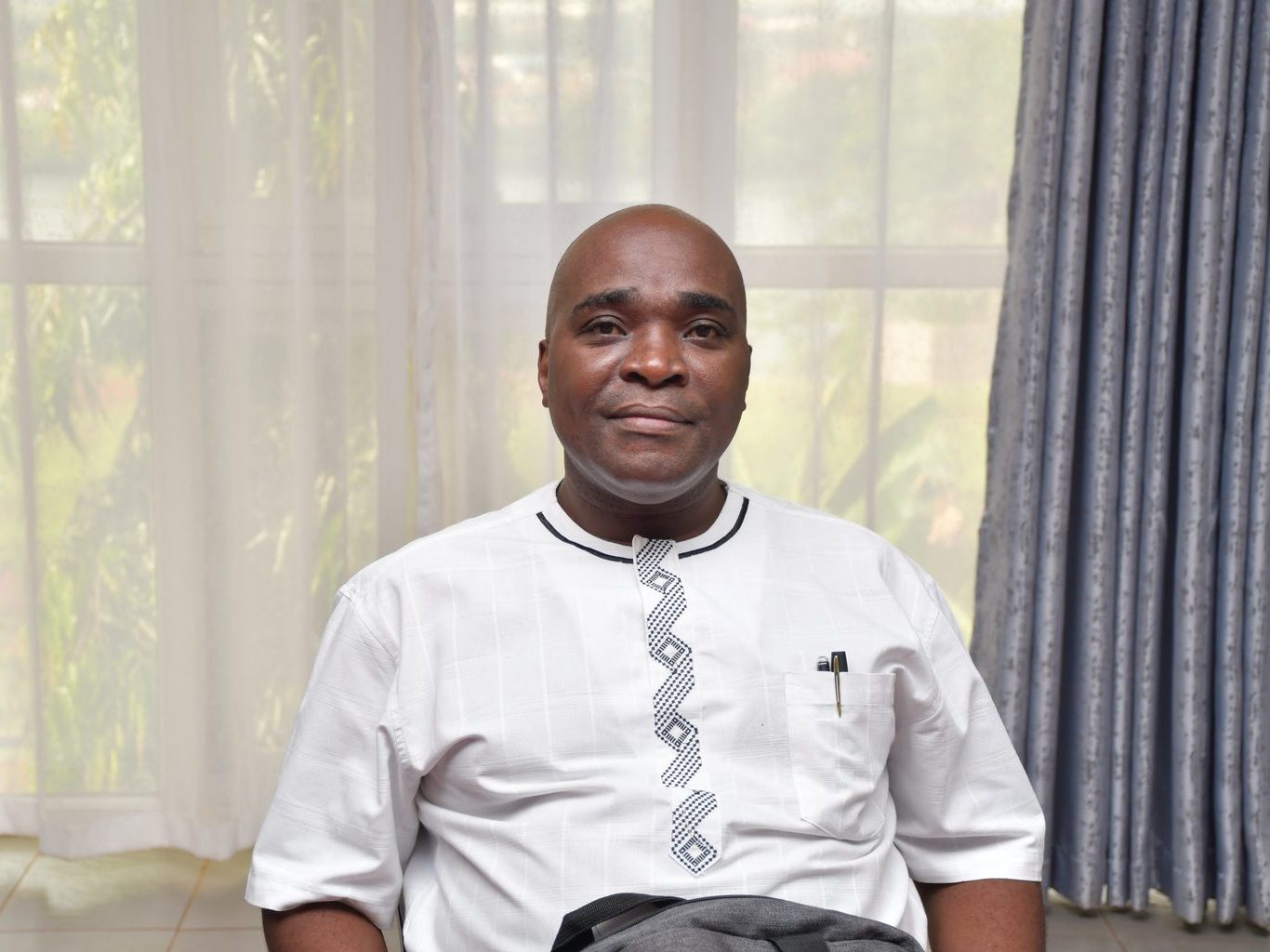
Welcoming participants, Dr. John Sseruyange, Manager of the Public Investment Management Centre of Excellence, emphasised that the training has been designed to move beyond theory and enable participants to independently undertake the analyses required under the new framework.
The two-week programme combines classroom sessions with hands-on practical work. Morning sessions focus on concepts and analytical approaches, while afternoons are devoted to practical exercises and modelling.
Dr. Sseruyange urged participants to view the training not only as an institutional requirement, but also as an opportunity to strengthen their individual analytical capacity.
“Do not think only about helping the entity you have come from. Think about developing your own capacity,” he told participants.
He explained that many of the analytical tools used in examining policies and Bills are also applicable to public investment project analysis, giving participants skills that extend beyond the immediate requirements of the financial clearance guidelines.
The Centre has drawn trainers and technical expertise from Makerere University and government institutions, including the Ministry of Finance and the National Planning Authority, to support both the theoretical and practical components of the programme.
From guidelines to evidence-based decisions
In remarks delivered on his behalf, Prof. Edward Bbaale, Director of the Public Investment Management Centre of Excellence, said the training follows the dissemination of the revised guidelines for the Certificate of Financial Implications in June 2025.
He said the guidelines place increased emphasis on robust, evidence-based Statements of Financial Implications before policy proposals and Bills proceed.
Participants drawn from government ministries, departments and agencies following proceeings at the training
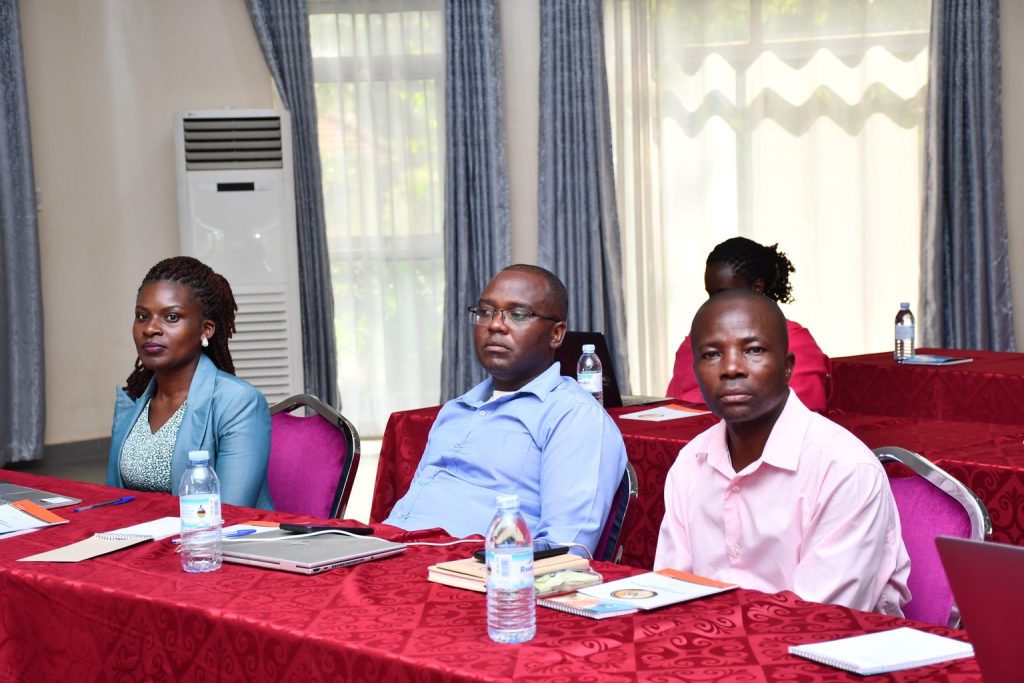
Over the two weeks, participants will develop competencies in risk analysis, cost-effectiveness analysis, analytical modelling and financial modelling, as well as the application of parameters such as prices, exchange rates and discount rates in policy evaluation.
They will also learn how to prepare Statements of Financial Implications to support decision-makers in assessing new policies and legislation.
Prof. Bbaale said these capabilities go beyond fulfilling a procedural requirement.
“These skills are not only technical requirements in the revised guidelines, but they are also essential for ensuring that Uganda’s public policies are sustainable, equitable and aligned with our national development goals,” he said.
He noted that the Public Investment Management Centre of Excellence continues to support government through training, research, outreach and advisory services. Recent work highlighted in his remarks included contributions to the revision of the Development Committee Guidelines, assessment of public investment project performance and convening of the second Public Investment Management Conference on 14 August 2025.
The training forms part of a broader effort to strengthen the analytical capacity available within government so that financial and policy decisions are increasingly informed by evidence, fiscal realities, potential risks and their implications for citizens.
Business & Management
The 10th Makerere University Students Expo: Solar-Powered Innovation Wins Top Prize
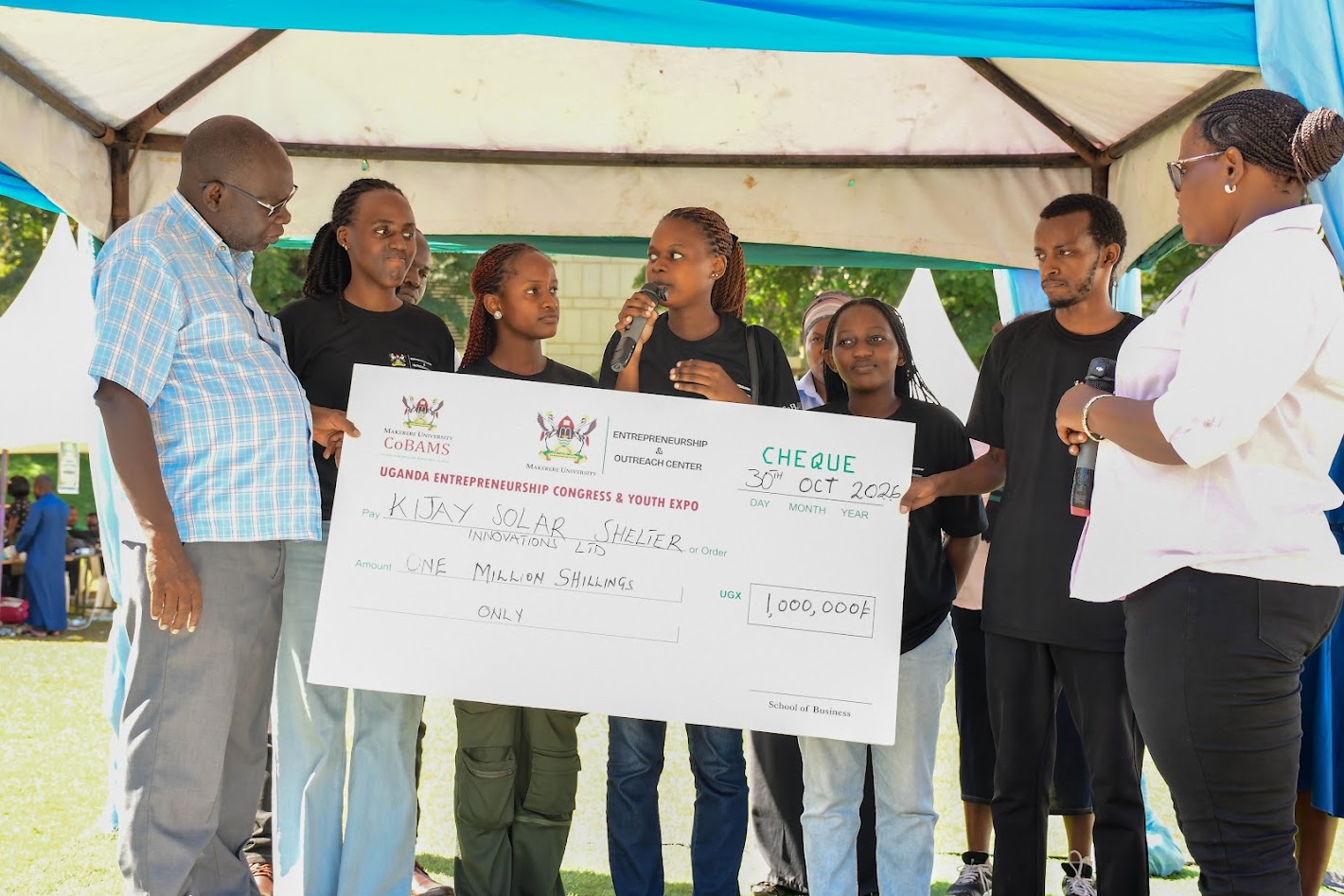
On 30th October 2026, the Makerere University Entrepreneurship and Outreach Centre (MakEOC), in collaboration with the Department of Marketing and Management, School of Business at the College of Business and Management Sciences (CoBAMS), recognised and awarded outstanding student innovators and entrepreneurs during the 10th Annual Makerere University Students’ Expo.
Held at the Freedom Square under the theme “Youth Innovations to Scale Uganda’s Growth Tenfold,” the expo showcased 900 student-led projects. The initiative focused on transforming youth ingenuity into sustainable enterprises, creating investment opportunities, and driving employment to support Uganda’s national growth agenda.
Solar Innovation Takes Centre Stage
Out of the 900 competing projects, three student enterprises emerged on top, led by a groundbreaking green-energy solution:
• Overall Winner: KIJAY Solar Shelter Innovations Limited (Solar Shelter)-won the top prize for developing the “Solar Breeze Umbrella and a solar-powered structure.” This eco-friendly innovation provides essential shade, ventilation, and lighting tailored for rural schools, outdoor market vendors, and restaurant operators.
• First Runner-Up: Smart Attend Limited-Developed an automated mobile application that tracks classroom attendance by allowing students to log in and out securely under a lecturer’s direct supervision.
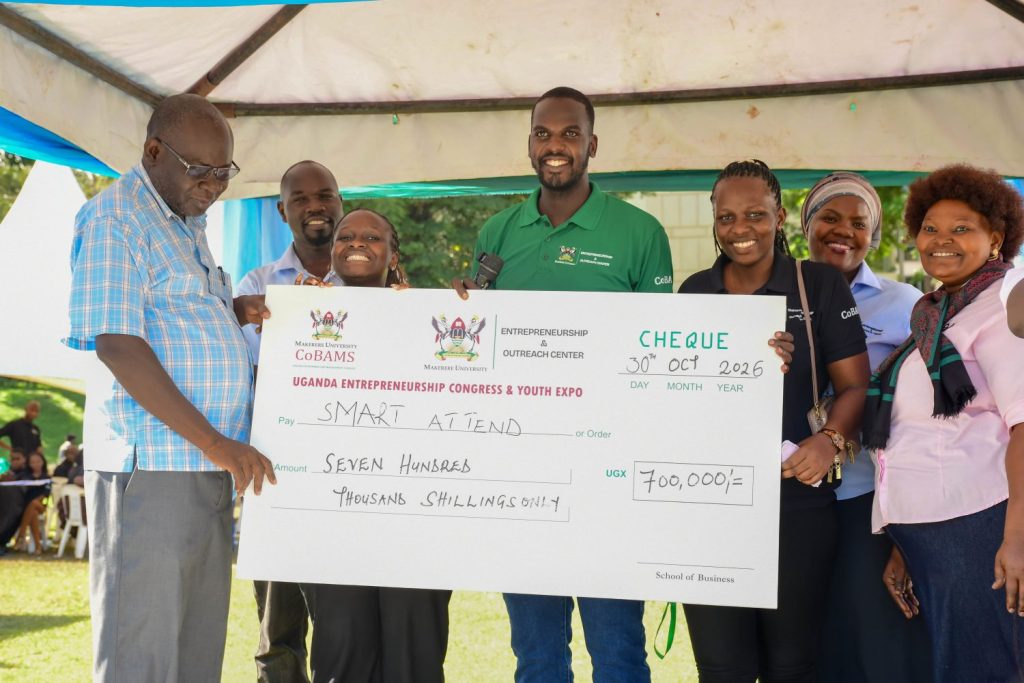
• Second Runner-Up: Magic Spoon Enterprise-Innovated “powdered yoghurt” by converting freshly made yoghurt into powder through a freeze-drying process. This project addresses preservation challenges by extending shelf life, easing storage, and removing dependency on refrigeration.

Robust Student Participation
Dr Sarah Bimbona, the Director of MakEOC at CoBAMS, revealed that the Expo marked the culmination of preparations undertaken throughout the semester by entrepreneurship students. “The 10th Edition attracted 900 participants, specifically bringing together 600 undergraduate students and 300 Master of Business Administration (MBA) students. All the submitted projects underwent a rigorous evaluation process,” she reported.
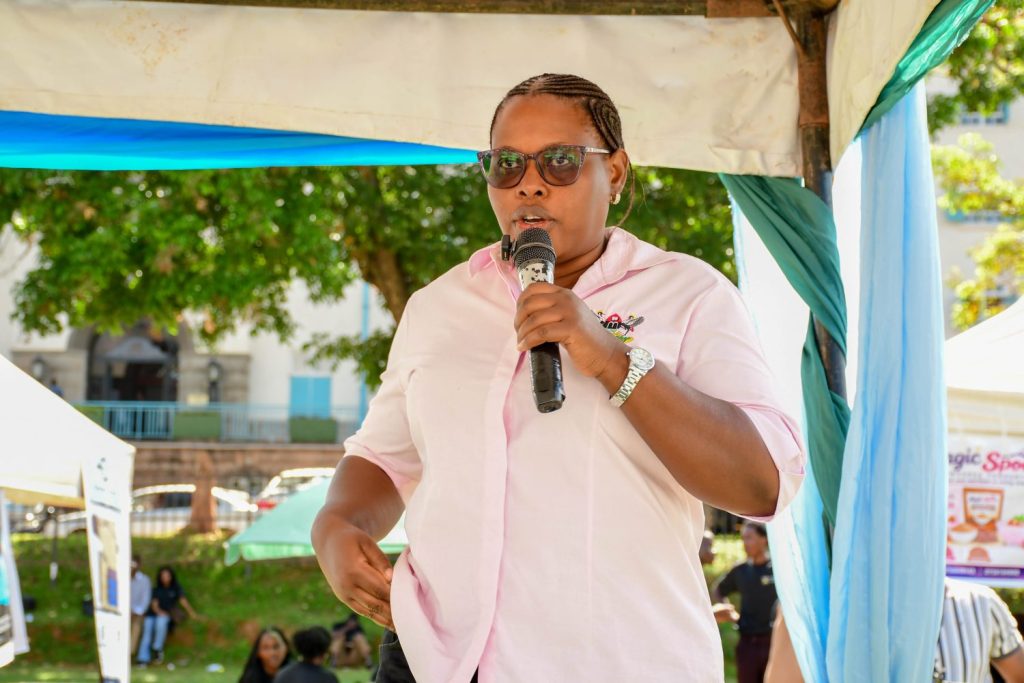
The competitive expo featured innovative solutions from students across multiple academic programmes, including:
- Bachelor of Commerce (Year One)
- Bachelor of Business Administration (Year Two)
- Bachelor of Arts with Education (Entrepreneurship)
- Master of Business Administration (MBA)
Prioritising Entrepreneurship and Innovation
The Dean of the School of Business at CoBAMS, Assoc. Prof. Godfrey Akileng, described the Students’ Expo and Entrepreneurship Congress as highly successful milestones. He urged students to sustain their entrepreneurial spirit, build on their ideas, and actively embrace entrepreneurship to transform their research into viable commercial ventures.
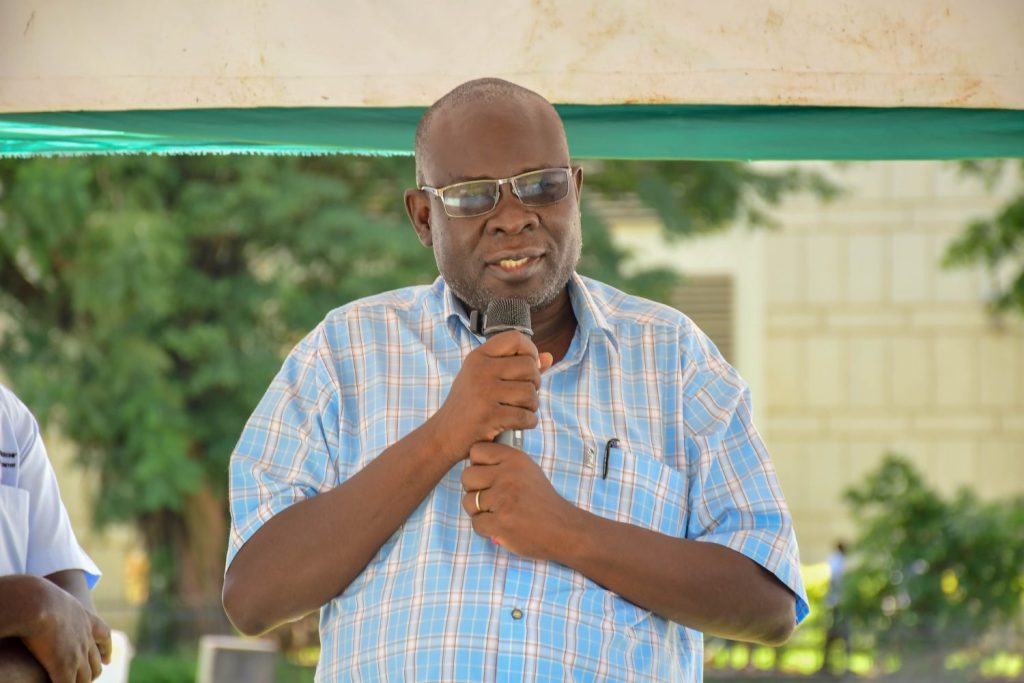
Acknowledging the support of the Makerere University Management and the organising team, Assoc. Prof. Akileng extended his appreciation to corporate partners-including Vision Group, SUMZ, and Pepsi-for their vital contributions toward the successful delivery of both events.
Bridging Academia and Industry
The Students’ Expo directly built upon the momentum of the 4th Uganda – Makerere Entrepreneurship Congress, held a day prior on 29th October 2026. During the congress, students engaged in high-level dialogues with seasoned entrepreneurs, industry experts, and government representatives. The discussions strongly encouraged students to bridge the gap between academic innovation and industry, creating sustainable businesses capable of driving Uganda’s economic transformation and Tenfold Growth Agenda.
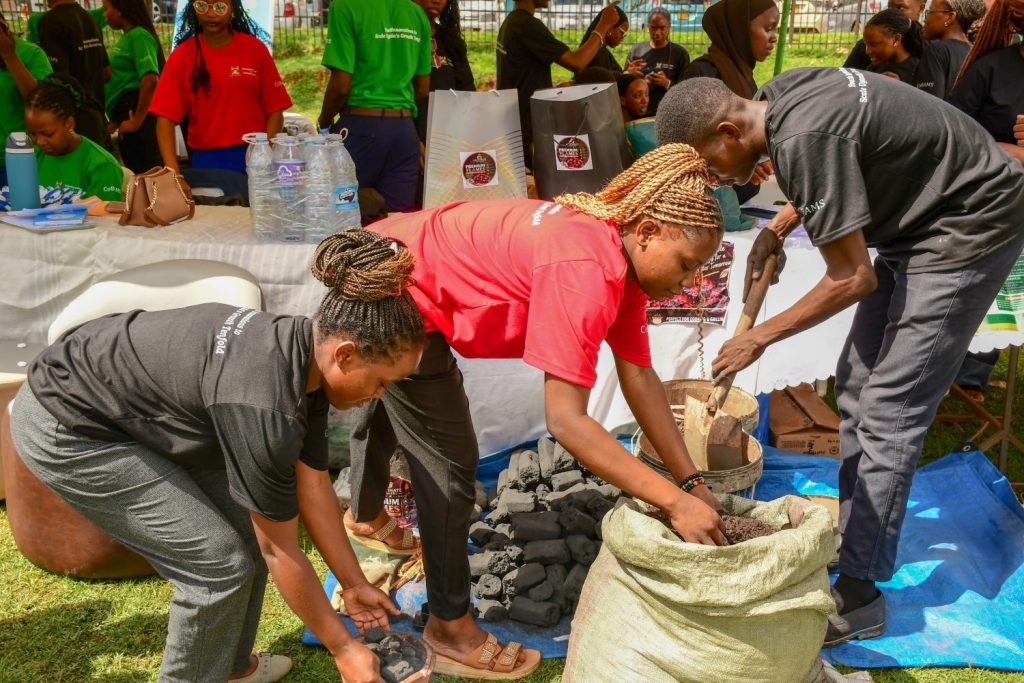
Transform Prototypes into Viable Business Ventures
Re-echoing highlights from the discussions at the 4th Uganda – Makerere Entrepreneurship Congress held on 29th October 2026, Dr Jude Mugarura, the Head of the Department of Marketing and Management at CoBAMS, noted that the exhibition provided students with an opportunity to showcase their innovations, and to receive guidance on developing prototypes into viable commercial products and business ventures.
“Take the Expo seriously and remain open to knowledge-sharing and feedback from investors, evaluators, policymakers and other stakeholders,” he said.
Highlights from some of the Student Innovations
- Briquettes production from natural agricultural waste
The Marketing Director of Premium Flames by Legitimate Cookers, Ms. Grace Kyamagero Nakigozi, said the group’s briquette innovation seeks to address charcoal shortages while reducing deforestation.
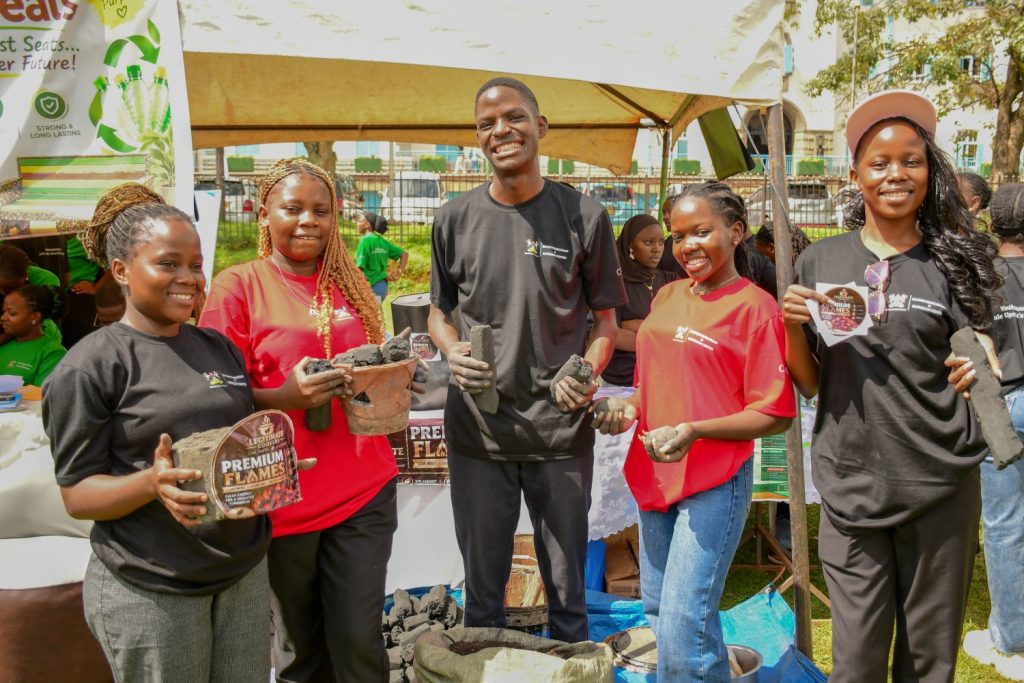
She explained that the group produces briquettes by mixing clay with processed agricultural waste, including coffee husks, maize cobs and matooke peelings. The mixture is moulded into different shapes and dried under shelter for approximately one week.
Ms. Nakigozi noted that the briquettes provide sustained heat and can be used in restaurants, households and poultry brooding, offering an alternative cooking fuel while promoting environmental conservation through the reuse of agricultural waste.
- The Eco Grow Organic Fertilizer
Presenting the Eco Grow Organic Fertilizer, Mr. Faizal Ssegawa Mugerwa, team leader said the initiative transforms biodegradable waste, particularly vegetable waste, into organic fertiliser to promote sustainable agriculture and create business opportunities.
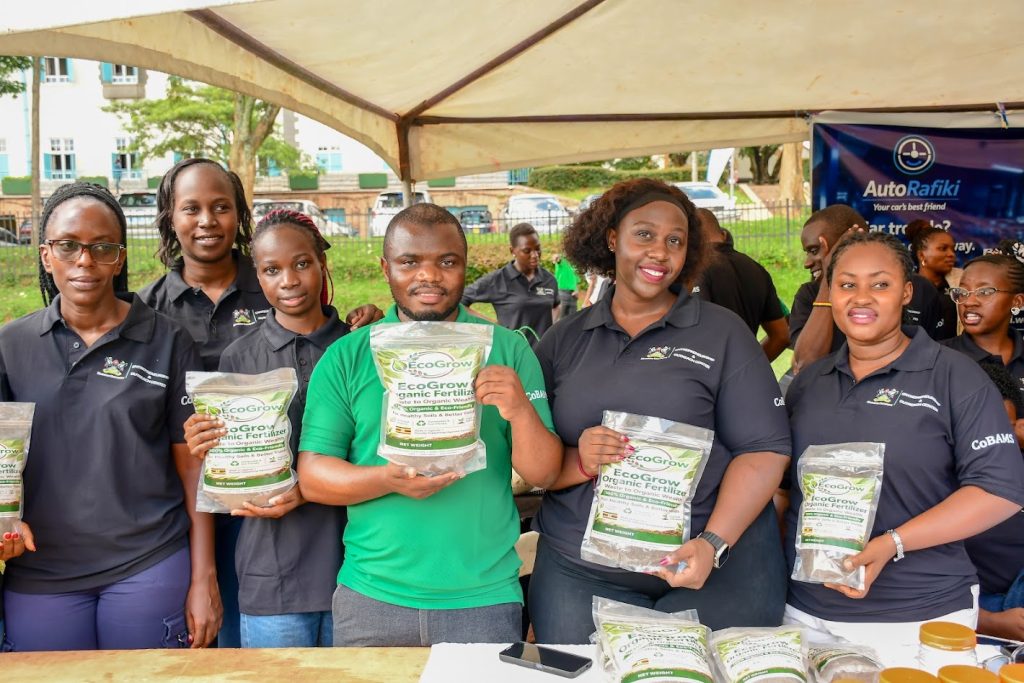
He explained that the team processes organic waste into compost, supplemented with other organic ingredients to provide essential nutrients such as nitrogen and phosphorus, comparable to conventional NPK fertilisers.
Mr. Mugerwa noted that the innovation reduces waste sent to landfills, helps prevent environmental pollution and creates economic value from discarded organic materials.
- The Campus Survival Kit
Ms. Hope Nakiberu, a first-year Bachelor of Commerce (BCOM) student at CoBAMS and a member of Campus Survival Kit, said the initiative provides students with convenient access to essential supplies through hostel, grocery and study kits.
She explained that the idea addresses challenges faced by students, particularly those arriving from rural areas, in navigating Kampala and finding places to purchase basic necessities. The team therefore offers delivery of essential items directly to students, making campus life more convenient.
The expo also featured student innovators and entrepreneurs pursuing the Bachelor of Arts with Education at the College of Education and External Studies (CEES), who showcased a range of innovations, including Basic Organizers, footwear sandals and Elegant Item Solution, among others.

Moderated by Ms Yvone Nakungu and Ms Connic Nansubuga, students at the College of Business and Management Sciences (CoBAMS), the 10th Makerere University Students’ Expo concluded with a cake-cutting ceremony, marking a decade of promoting entrepreneurship, creativity and innovation among Makerere University students.
-
 General2 weeks ago
Makerere-Rotary Launch Student Food for Peace Initiative
-
 General2 weeks ago
RENU Communications Department Graduate Trainee Program: Two (2) Vacancies
-
 Engineering, Art & Tech2 weeks ago
International Water Association Eyes Makerere-Kampala for Regional Office
-
 Health2 weeks ago
Makerere University’s Prof. Peter Waiswa Appointed to WHO Technical Working Group on Essential Child Health Services
-
 Education2 weeks ago
Makerere Celebrates Prof. Mbazira’s Law Scholarship at His Inaugural Professorial Lecture and Book Launch