Connect with us

Research

Neurodevelopmental outcomes of preterm babies during infancy in Eastern Uganda

Published

on

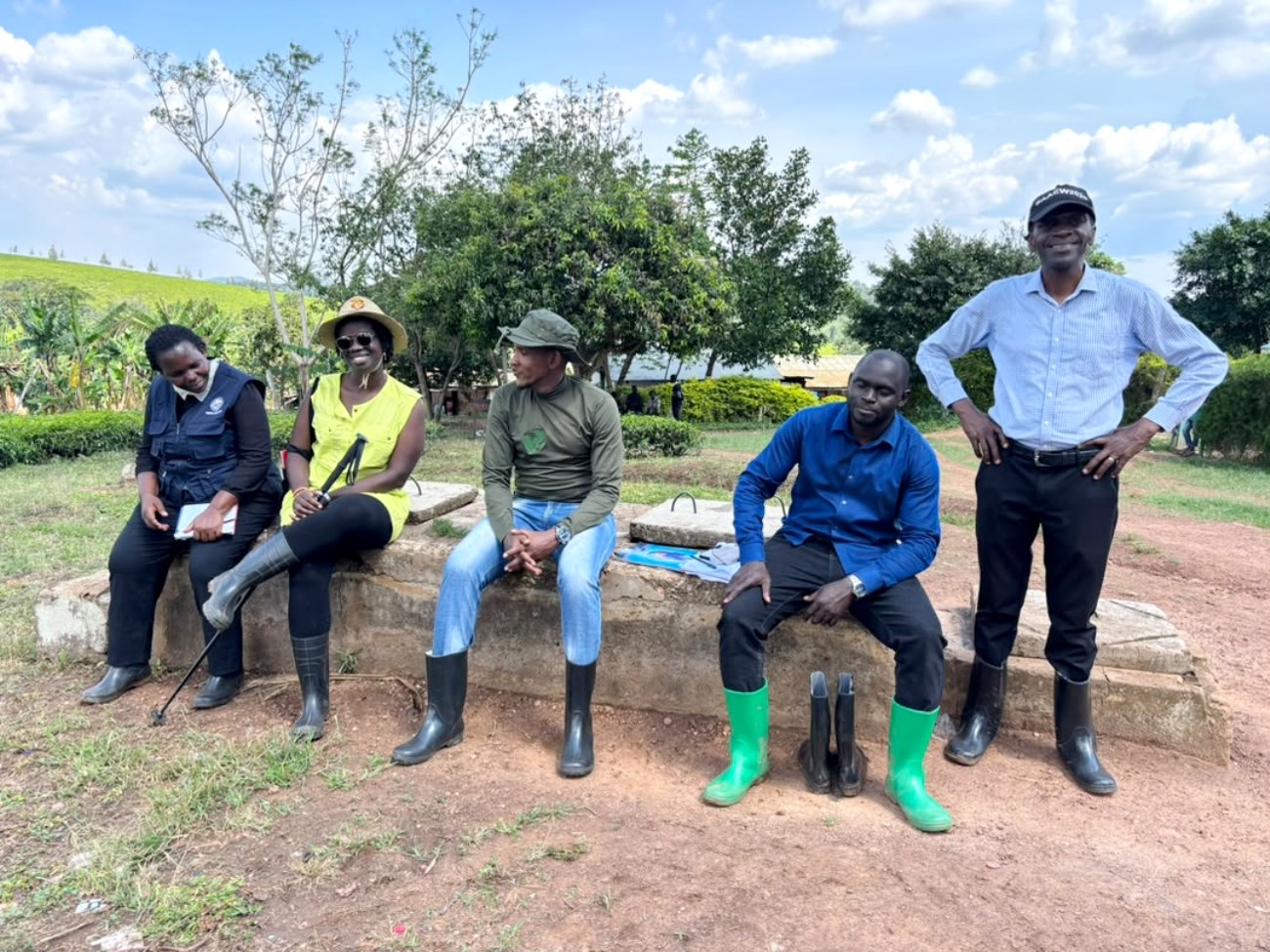
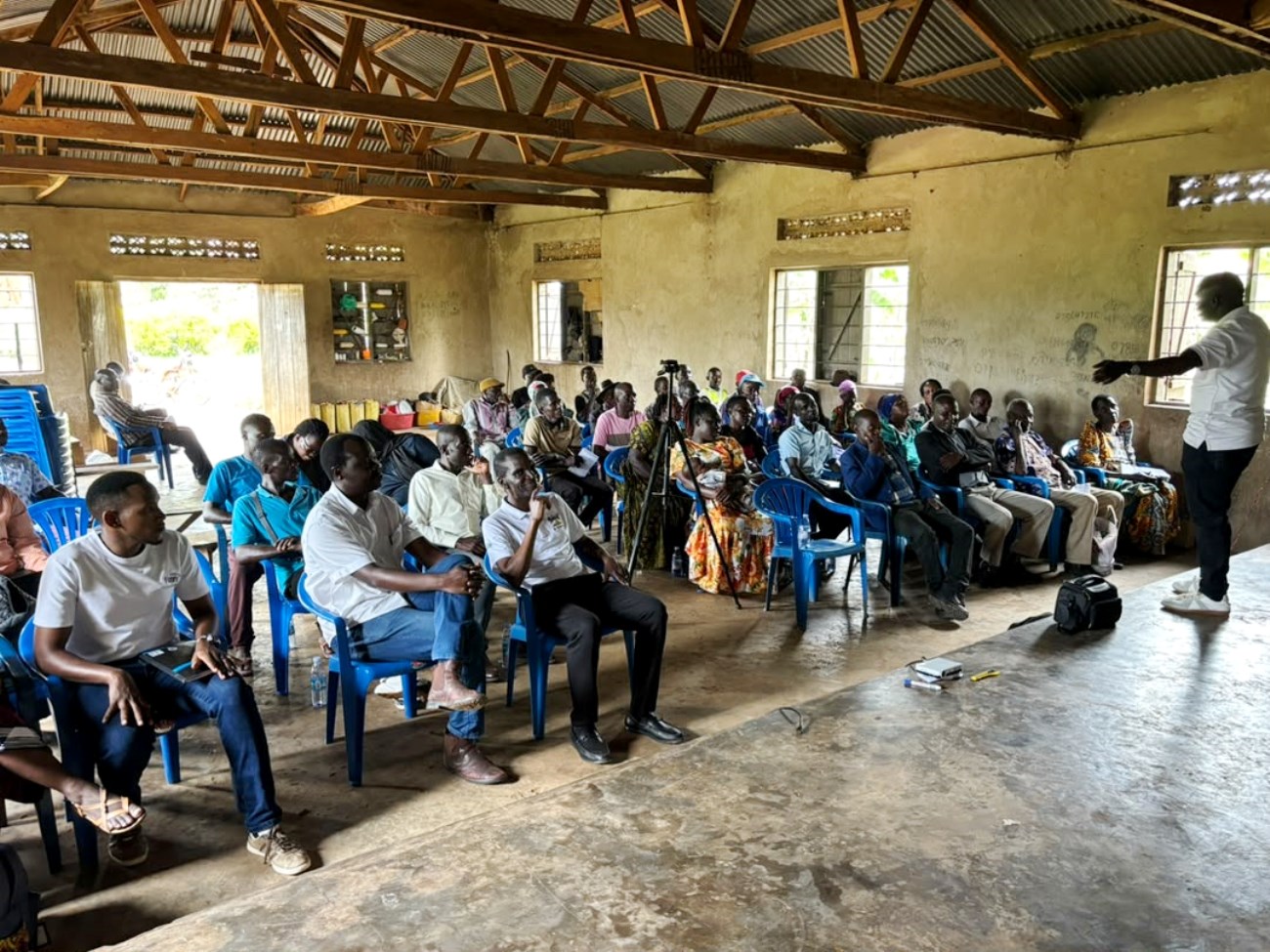
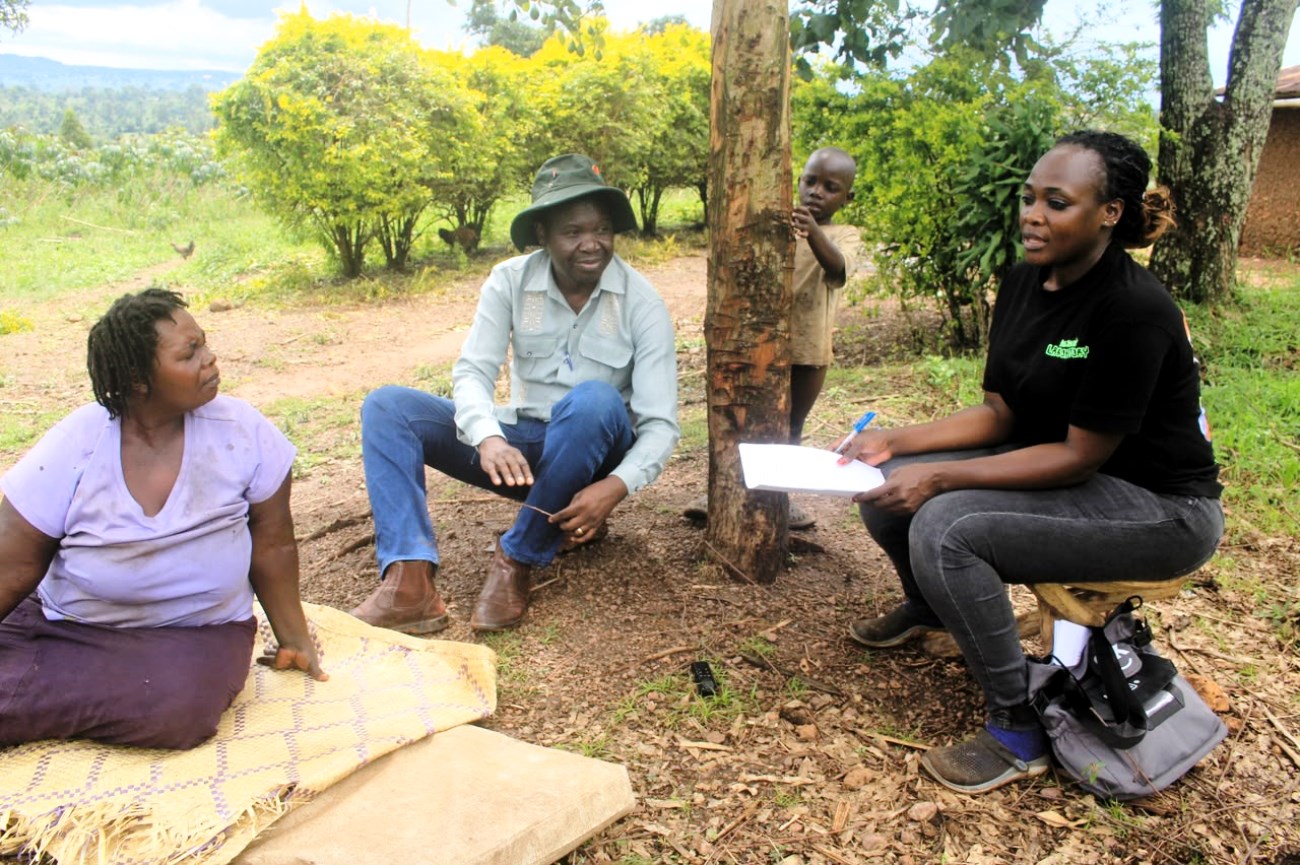
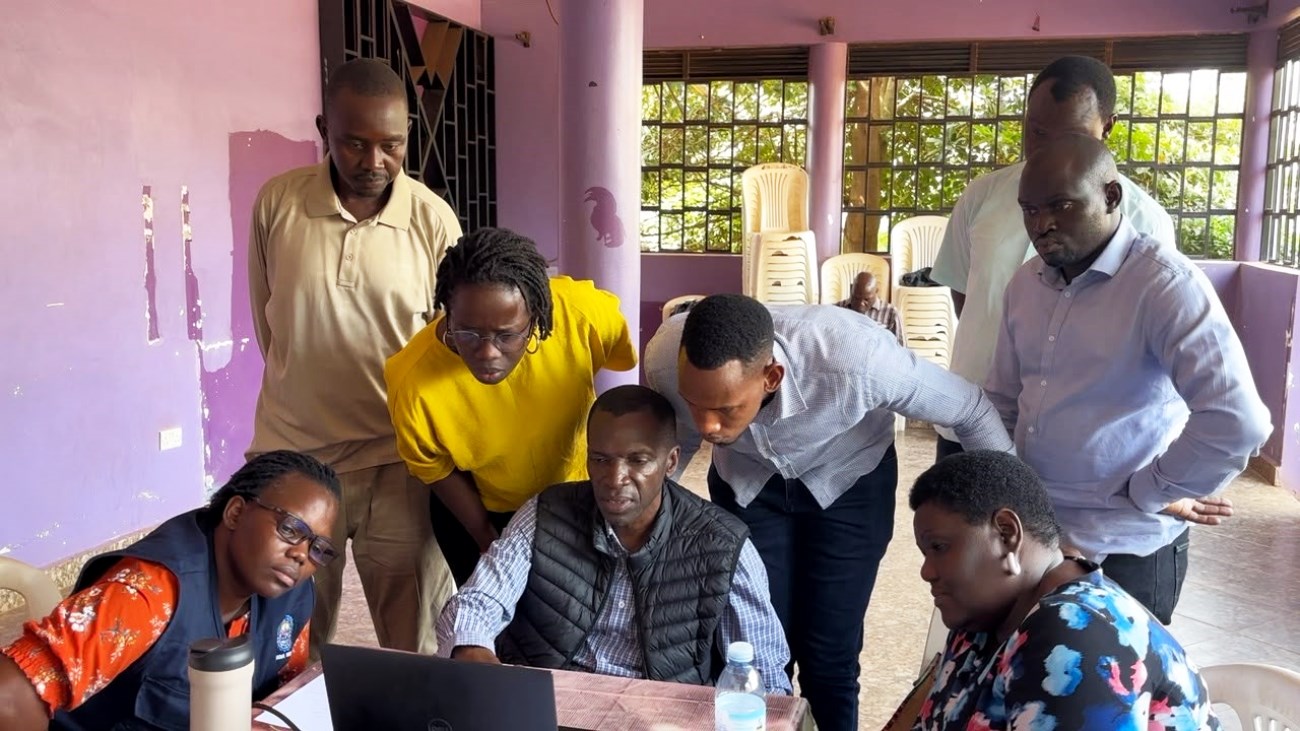
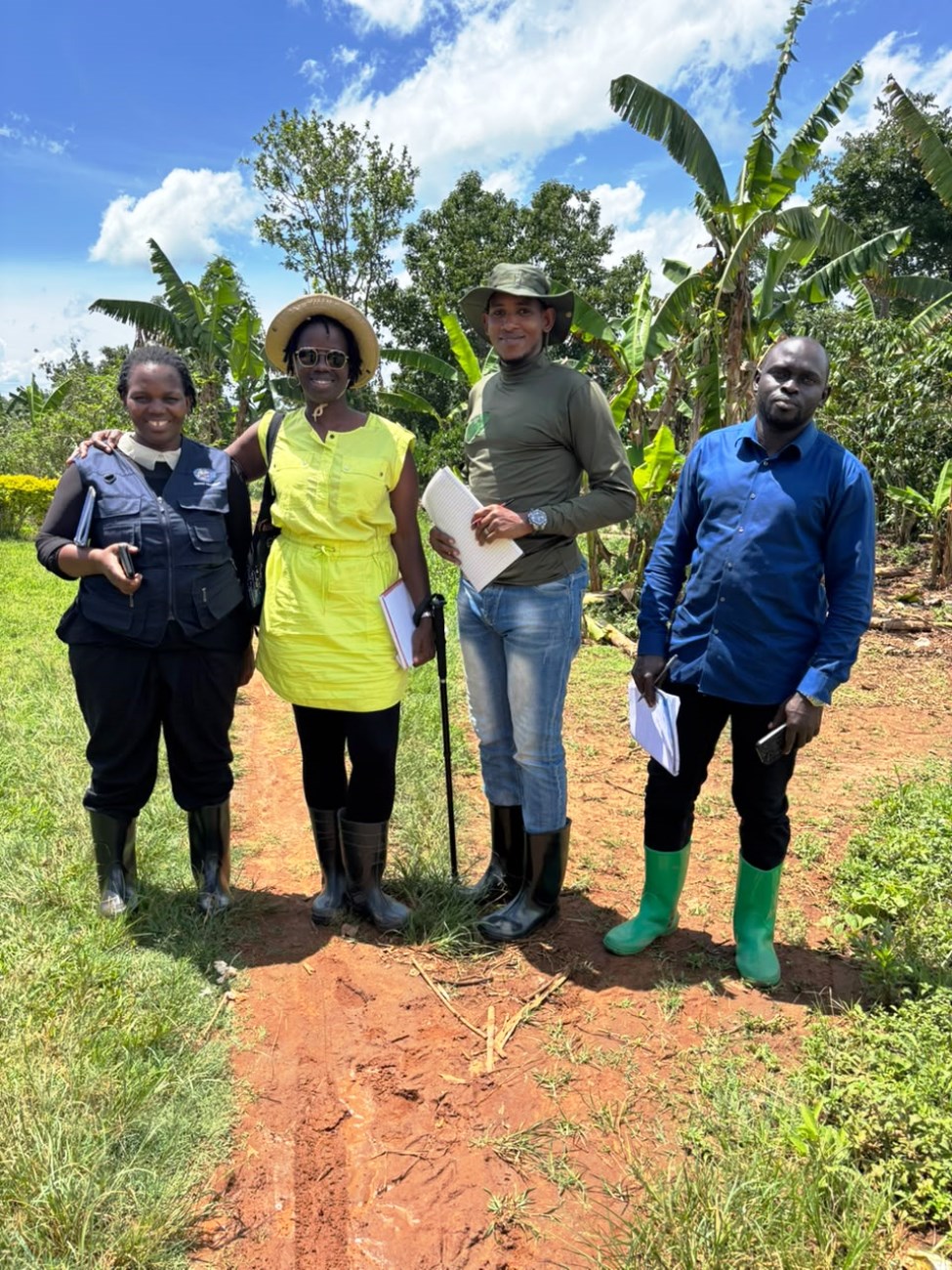
A recent study by the Makerere University Centre of Excellence for Maternal Newborn and Child Health (MNCH), School of Public Health (MakSPH) has shown that preterm infants at 6.6 months of corrected age are at a high risk of developing neurodevelopmental disability of 20.4%, and severe disability of 3.3%, especially those with malnutrition.

Researchers recommend improvement in health system readiness to be able to provide follow-up care with emphasis on improving nutrition and continuity of Kangaroo Mother Care at home. Study conducted among 454 babies in a cohort study at birth.

In Uganda, 14% of 1.6 million live births annually are estimated to be preterm. This is according to data obtained from Uganda Bureau of Statistics (UBOS) demographic and health survey 2016 and the 2012 World Health Organisation (WHO) report titled; “Born too soon; The global action report on preterm birth.”

Read full article

Mark Wamai

Research

Uganda Strengthens Research Ethics Oversight as Makerere and UNCST Equip Ethics Committees for Emerging Scientific Challenges

Published

on

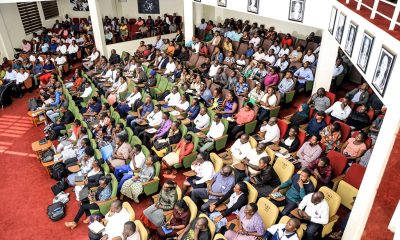
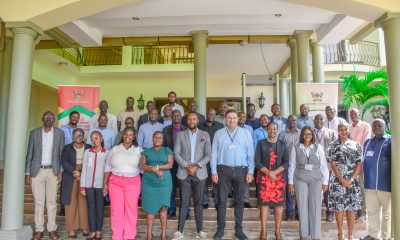
Participants pose for a group photo on Day One of the Good Research Regulatory Practice (GRRP) Course for members of Research Ethics Committees (RECs). Day one of the three-day Good Research Regulatory Practice (GRRP) Course for members of Research Ethics Committees (RECs) from Makerere University and other institutions organized by the Directorate of Research, Innovations and Partnerships (DRIP) at Makerere University in partnership with the Uganda National Council for Science and Technology (UNCST), 22nd July 2026, Senate Building, Kampala Uganda, East Africa.

By Moses Lutaaya

Kampala, Uganda — July 22, 2026

Uganda’s research sector is preparing for a new era of scientific advancement as emerging fields such as artificial intelligence, genomics, digital health; big data analytics and international research collaborations continue to transform the landscape of scientific inquiry. However, experts have emphasized that these developments must be matched with stronger ethical oversight mechanisms to protect research participants, maintain scientific credibility and preserve public trust.

The call was made during the three-day Good Research Regulatory Practice (GRRP) Course for members of Research Ethics Committees (RECs) from Makerere University and other institutions. The training was organized by the Directorate of Research, Innovations and Partnerships at Makerere University in partnership with the Uganda National Council for Science and Technology (UNCST) to strengthen research governance and enhance ethical review practices.

Speaking at the official opening of the course, Prof. Robert Wamala, Makerere University’s Director of Research, Innovation and Partnerships, said ethical oversight remains central to achieving quality research that contributes to national development.

Prof. Wamala said Makerere University remains committed to producing research that addresses Uganda’s priorities while contributing to regional and global scientific advancement. However, he cautioned that research excellence cannot exist without strong ethical safeguards.

“Every research project involving human participants carries with it a profound responsibility to uphold the dignity, rights, safety and well-being of those who make research possible,” Prof. Wamala said.

Prof. Robert Wamala. High-level workshop of regulators, academic leaders, and research ethics committees focused on improving coordination, efficiency, and accountability in research oversight, 19th March 2026, Conference Room, School of Business, CoBAMS, Makerere University, Kampala Uganda, East Africa.
Prof. Robert Wamala. File Photo.

He described Research Ethics Committees as critical pillars of Makerere’s research ecosystem, emphasizing that their role extends beyond regulatory compliance to protecting scientific credibility and maintaining public confidence.

“The quality, consistency, independence and timeliness of ethical review directly influence the quality of research produced by our institution and the confidence that participants, funders, collaborators and society place in our work,” he said.

Prof. Wamala observed that emerging fields such as artificial intelligence, genomics, digital health, big data analytics and cross-border research collaborations have introduced new ethical questions requiring continuous learning and adaptation.

He said modern ethical oversight demands more than simply following regulations. “It requires critical thinking, sound judgment, an appreciation of emerging technologies and strict adherence to internationally accepted standards of ethical review,” he said.

He noted that the GRRP Course provides an opportunity to harmonize ethical review approaches across Makerere’s Research Ethics Committees, improve institutional capacity and ensure that research involving human participants meets national and international standards.

Prof. Wamala also commended UNCST for its continued partnership with Makerere University in strengthening research governance, describing the collaboration as a reflection of a shared commitment to fostering a research environment that is ethical, responsible, innovative and internationally competitive.

Relatedly, Dr. Hellen Opolot, the Assistant Executive Secretary and Head of the Directorate of Research Management and Quality Assurance at UNCST, called on Research Ethics Committees to continuously strengthen their capacity as Uganda’s research environment becomes increasingly complex.

Dr. Opolot said scientific progress presents immense opportunities but also introduces new ethical, legal and regulatory challenges that require regulators and ethics committees to remain ahead of emerging trends.

She noted that research in Uganda is rapidly expanding, driven by developments in artificial intelligence, genomics, digital health, social and behavioral sciences and multinational collaborative studies.

“As REC members, your role extends beyond reviewing research protocols. You are responsible for safeguarding the rights, dignity and welfare of research participants,” Dr. Opolot emphasized.

Dr. Hellen Opolot. Day one of the three-day Good Research Regulatory Practice (GRRP) Course for members of Research Ethics Committees (RECs) from Makerere University and other institutions organized by the Directorate of Research, Innovations and Partnerships (DRIP) at Makerere University in partnership with the Uganda National Council for Science and Technology (UNCST), 22nd July 2026, Senate Building, Kampala Uganda, East Africa.
Dr. Hellen Opolot.

She commended the organizers, particularly Professor Wamala for their continued commitment to strengthening research governance through capacity-building initiatives targeting Research Ethics Committees, students and researchers.

“I want to express my sincere appreciation to Professor Wamala for continuously inviting me to these meetings and for organizing important capacity-building programmes, not only for Research Ethics Committees but also for students,” she said.

Dr. Opolot encouraged participants to actively engage in the training, share experiences and develop practical approaches to addressing ethical challenges, noting that many issues facing researchers and regulators require collaboration and informed judgment.

She expressed confidence that the knowledge gained from the training would improve ethical review processes, strengthen post-approval monitoring and promote a culture of research integrity across Uganda.

Prof. Fredrick Nelson Nakwagala, the Chairperson of the Accreditation Committee for Research Ethics in Uganda at UNCST, said the training was aimed at equipping Research Ethics Committees with the skills required to protect human participants and improve research quality.

“The main function of this meeting is to build the capacity of Research Ethics Committees at Makerere University to perform their responsibility of protecting human subjects in research,” Prof. Nakwagala said.

He explained that continuous training remains necessary because ethical standards evolve alongside changes in science and technology.

“Ethics keeps changing because circumstances change. We now have artificial intelligence, mathematical modelling and complex study designs that were not known before. There are also new international and national guidelines on how to protect human participants who volunteer in research,” he said.

Prof. Nakwagala emphasized that Research Ethics Committees play a broader role than approving research proposals. He said they also monitor approved studies to ensure compliance with regulations, scientific standards and legal requirements.

“They monitor approved studies to ensure they are conducted within applicable regulations, scientific standards and the law. This improves both the quality of research proposals and the quality of research implementation,” he said.

He warned that unethical research practices such as plagiarism, fabrication of participants and falsification of data could undermine national development efforts, especially when research findings influence public policy.

A section of participants attending the course. Day one of the three-day Good Research Regulatory Practice (GRRP) Course for members of Research Ethics Committees (RECs) from Makerere University and other institutions organized by the Directorate of Research, Innovations and Partnerships (DRIP) at Makerere University in partnership with the Uganda National Council for Science and Technology (UNCST), 22nd July 2026, Senate Building, Kampala Uganda, East Africa.
A section of participants attending the course.

“You don’t want research products from scientists who are fraudulent, who fabricate participants or falsify data,” he said. “Research Ethics Committees ensure research is what it claims to be and that the process gives confidence in the results.”

Prof. Nakwagala added that ethics committees play an important role in mentoring postgraduate students by providing a framework that enables them to conduct credible and scientifically sound research.

He linked strong research ethics to Uganda’s development ambitions under the National Development Plan IV, noting that science, technology and innovation are increasingly important in sectors such as agriculture, health, infrastructure, housing and environmental sustainability.

“Ethical oversight is critical in balancing the risks and benefits of development initiatives,” he said.

Addressing concerns about delays in postgraduate research approvals, Prof. Nakwagala said new review timelines introduced by UNCST are expected to improve efficiency while maintaining quality.

“We believe that within a week, most student protocols should receive approval. Only larger studies such as clinical trials require more rigorous review, but even these should not exceed 60 days,” he said.

Day One of GRRP Course Brings Together Experts and Research Ethics Practitioners

Day one of the Good Research Regulatory Practice Course was facilitated by Ms. Irene Semakula Suryani, Dr. Fredrick Nelson Nakwagala, Dr. Robert Sekubugu, Prof. Noah Kiwanuka and Ms. Gladys Nakalema, who guided participants through key areas of ethical review, research governance, regulatory standards and best practices for strengthening Research Ethics Committees.

The training attracted members from various academic units and institutions, including 16 participants from the College of Health Sciences, 5 from the School of Social Sciences, 15 from the College of Agricultural and Environmental Sciences (CAES), 23 from the School of Public Health, 23 from the School of Medicine, 19 from the School of Biomedical Sciences and 5 from the College of Veterinary Medicine and Animal Resources (COVAB).

Research Ethics Committee Leaders Attend Capacity-Building Training

The course also brought together chairpersons of Research Ethics Committees from different schools and colleges who participated in strengthening ethical review systems at Makerere University and beyond. Among those in attendance were chairpersons of the different RECs including Prof. Stella Neema from the School of Social Sciences, Dr. Paul Kutyabami from the College of Health Sciences, and Dr. Joseph Kagagi from the School of Public Health, among other REC leaders.

The participation of REC chairpersons underscored the importance of institutional leadership in promoting responsible research practices, improving review efficiency and ensuring that scientific advancement is guided by integrity, accountability and respect for human dignity.

The GRRP training, running from July 22 to 24, 2026, is part of ongoing efforts by Makerere University and UNCST to strengthen Uganda’s research governance system and ensure that scientific progress is built on ethical foundations.

Mak Editor

Continue Reading

Research

Makerere University Rolls Out Thesis Completion Grants to Accelerate PhD Research and Strengthen National Policy Impact

Published

on

Prof. Julius Kikooma and DGT Staff with PhD Thesis Completion Grants beneficiaries on 8th June 2026. Directorate of Graduate Training launches thesis completion grant aimed at supporting PhD students to complete their research, improve completion rates, and align academic work with Uganda’s national development priorities, 8th June, 2026, Telepresence Hall, Senate Building, Makerere University, Kampala, East Africa.

By Moses Lutaaya

KAMPALA — The Directorate of Graduate Training at Makerere University has launched a thesis completion grant aimed at supporting PhD students to complete their research, improve completion rates, and align academic work with Uganda’s national development priorities.

This was on Monday 8th June, 2026 at Telepresence hall at the Senate Building, Makerere University, where beneficiaries met with leadership of the Directorate Graduate Training.

Speaking at the rollout, Prof. Julius Kikooma said the initiative responds to long-standing funding gaps in doctoral training, which have historically left many researchers struggling to complete their studies.

“For quite a while, Makerere University, just like other institutions in the country, was predominantly supported by development partners when it comes to research support, because by nature research is very resource intensive,” Prof. Kikooma said.

He explained that much of the earlier support for PhD training came from development partners such as SIDA, which enabled many candidates to complete their studies. However, he noted that this support gradually ended around 2018–2019, leaving a significant gap in research funding.

Prof. Julius Kikooma addresses participants. Directorate of Graduate Training launches thesis completion grant aimed at supporting PhD students to complete their research, improve completion rates, and align academic work with Uganda’s national development priorities, 8th June, 2026, Telepresence Hall, Senate Building, Makerere University, Kampala, East Africa.
Prof. Julius Kikooma addresses participants.

“Around 2018–2019, that support came to an end. And so the gap became much more visible,” he said, adding that the university could not reverse its commitment to training PhD-level staff despite the financial constraints.

Prof. Kikooma said the university has since been working to mobilize internal resources to support doctoral students, noting that the new grant is intended to assist candidates who are already at advanced stages of their research.

“We thought it would be important that there is some money available which can help as you progress, even though we may not be able to shoulder the whole financial burden of your PhD research,” he said.

He emphasized that the fund is small but strategically targeted at critical activities such as fieldwork, data collection, and limited publication support. “The budget is very small, but we are convinced that there can be some progress based on that support,” he added.

Prof. Kikooma further said that beneficiaries will be required to implement their thesis completion activities or work within six months, submit a progress report after three months, and adhere to strict monitoring arrangements to ensure accountability and timely completion of their Doctoral studies.

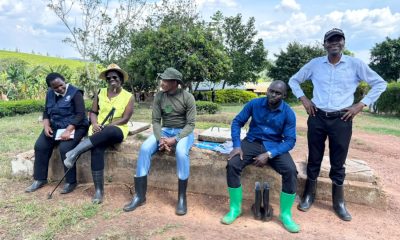
Some of the Thesis Completion Grants beneficiaries. Directorate of Graduate Training launches thesis completion grant aimed at supporting PhD students to complete their research, improve completion rates, and align academic work with Uganda’s national development priorities, 8th June, 2026, Telepresence Hall, Senate Building, Makerere University, Kampala, East Africa.
Some of the Thesis Completion Grants beneficiaries.

“We are going to come up with a roadmap and follow you up just to make sure you don’t go off track,” he said, stressing that the funds are public resources that must be used within defined timelines.

He also underscored the importance of aligning research with national priorities and ensuring that doctoral work contributes beyond academia.

“Those days are gone now where research has no connection with any national interest,” he said. “The research that we do here must be clear and aligned with national priorities.”

He added that the university now expects PhD candidates to extract policy-relevant outputs from their research to contribute to national decision-making processes.

“We expect that from your work you extract something that can lead to a conversation around national issues and policy direction,” he said.

Some of the beneficiaries follow proceedings. Directorate of Graduate Training launches thesis completion grant aimed at supporting PhD students to complete their research, improve completion rates, and align academic work with Uganda’s national development priorities, 8th June, 2026, Telepresence Hall, Senate Building, Makerere University, Kampala, East Africa.
Some of the beneficiaries follow proceedings.

In a related address, Phillip Mawejje, the Principal accountant at the Directorate of Graduate Training confirmed that 18 PhD candidates had benefited from the revised grant following a budget review process.

“It is more than 10. We managed to facilitate 18 this time around based on your budgets,” Mawejje said, adding that all beneficiaries had received their funds or should immediately report any delays.

He instructed recipients to consult Dr. Nestor Mugabe to work with the revised budgets in line with the disbursed amounts.

“As I speak now, I believe all of you have the money. If you have not received it, please let us know,” he said.

Mawejje emphasized strict accountability requirements, noting that beneficiaries must account for the funds within 60 working days or earlier, depending on the nature of their research activities.

“We will need accountability for that money because this is public funds, and our instructions require that you account for the funds within 60 working days or less,” he said.

Mr. Phillip Mawejje (R) and Dr. Nestor Mugabe (L). Directorate of Graduate Training launches thesis completion grant aimed at supporting PhD students to complete their research, improve completion rates, and align academic work with Uganda’s national development priorities, 8th June, 2026, Telepresence Hall, Senate Building, Makerere University, Kampala, East Africa.
Mr. Phillip Mawejje (R) and Dr. Nestor Mugabe (L).

He added that while extensions may be considered in cases of ongoing research, progress reports must be provided to justify continued use of the funds.

“It is either earlier or within 60 days. If your work takes longer due to unavoidable circumstances, please give us progress reports,” he said.

He also announced that once the PhD candidates complete their studies, the university will organize a dissemination workshop to allow them to present their findings and demonstrate their contribution to society and the economy.

“We will conduct a workshop and then you come and disseminate your findings and how impactful it is to society and the economy,” he said.

The initiative is part of Makerere University’s broader effort to improve doctoral completion rates, strengthen research output, and ensure that academic work contributes directly to Uganda’s development agenda amid declining external research funding.

Mak Editor

Continue Reading

Research

Makerere University Charts Course for Responsible AI Adoption in Research Management

Published

on

A screenshot of participants during the online engagement with by international AI consultant Dr. Vivek Mohindra on 4th June 2026. Makerere University, Kampala Uganda, East Africa.

By Moses Lutaaya

KAMPALA, Uganda, June 10, 2026Makerere University has reaffirmed its commitment to embracing Artificial Intelligence (AI) as a catalyst for research excellence, innovation and institutional efficiency, while calling for robust safeguards to protect research integrity and academic quality.

The call was made during an online webinar on “Adoption of Artificial Intelligence (AI) in Research Management at Makerere University, held on Thursday, June 4, 2026, from 3:30 p.m. to 5:30 p.m. (EAT) via the Zoom platform. The webinar attracted members of University Management, academic staff, researchers, graduate coordinators, members of Research Ethics Committees, students and development partners interested in understanding the growing role of AI in research and higher education.

The webinar was organized by the Directorate of Research, Innovation and Partnerships (DRIP) in collaboration with the Alliance for African Partnership (AAP), the U.S. Embassy in Uganda, the Great Lakes Centre for United States Studies at Makerere University, the Directorate of Graduate Training, the Makerere University Writing Centre and the Makerere University Research and Innovation Fund.

Opening the engagement, the Director of Research, Innovation and Partnerships, Prof. Robert Wamala, described AI as a transformative force that is reshaping the global research landscape and changing the way universities conduct research administration and scholarly work.

“Artificial Intelligence is increasingly transforming the global research ecosystem and redefining how universities undertake research administration, knowledge production, scholarly communication and innovation management,” Prof. Wamala said.

He noted that AI is creating new possibilities for universities, from literature mapping and proposal development to research integrity checks and administrative automation.

“From literature mapping and proposal development to research integrity checks and administrative automation, AI presents significant opportunities for enhancing efficiency, productivity and evidence-based decision-making within higher education institutions,” he explained.

Prof. Wamala said Makerere University recognizes the growing importance of digital transformation and the need to prepare researchers, administrators and graduate training systems to effectively harness emerging technologies responsibly and ethically.

“This webinar therefore provides an important platform for dialogue, learning and reflection on how AI can support research management while safeguarding research integrity and academic excellence,” he added.

The highlight of the webinar was a presentation by international AI consultant Dr. Vivek Mohindra on the adoption of Artificial Intelligence in research management. During his presentation, Dr. Mohindra shared global perspectives on how AI is transforming research administration, scholarly communication, grant management and institutional operations across universities worldwide.

He explained that AI is increasingly being used to support literature reviews, proposal development, data management, academic writing and administrative efficiency, enabling researchers and institutions to make better-informed decisions and improve productivity.

Dr. Mohindra encouraged universities to embrace AI as a tool that enhances human capabilities while maintaining academic oversight and professional judgment. He also emphasized the importance of responsible AI adoption, cautioning institutions against practices that could compromise research integrity, confidentiality and intellectual property rights.

His presentation sparked an engaging discussion among participants, who raised questions on the ethical use of AI in academic writing, disclosure of AI-assisted editing, data privacy concerns and the use of secure AI platforms for research purposes. Participants also sought guidance on how universities can develop policies and systems that support innovation while safeguarding scholarly standards.

In his remarks, the Director of Graduate Training, Prof. Julius Kikooma, emphasized the need to prepare graduate students and supervisors for a rapidly evolving digital research environment. He noted that AI is already influencing how research is conducted and communicated and called for continuous training to equip researchers with the skills needed to use emerging technologies responsibly.

Prof. Kikooma stressed the importance of maintaining originality, critical thinking and ethical scholarship even as researchers increasingly adopt AI-powered tools. He also highlighted the need to strengthen mentorship, research ethics training and scholarly writing support to ensure that technological advances contribute positively to research quality and graduate education.

Closing the webinar, the Deputy Vice Chancellor (Academic Affairs), Prof. Sarah Ssali, thanked participants for their active engagement and commended the organizers and partners for convening what she described as a timely and important discussion.

She paid tribute to the Directorate of Research, Innovation and Partnerships, the Alliance for African Partnership, the U.S. Embassy in Uganda, the Great Lakes Centre for United States Studies, the Directorate of Graduate Training and the Makerere University Writing Centre for supporting initiatives aimed at strengthening research excellence and innovation at the University.

Prof. Ssali also applauded Dr. Mohindra for sharing practical insights on how AI is transforming research administration, scholarly writing, grants management, research integrity and institutional efficiency around the world.

“The discussions today have clearly demonstrated that AI is no longer a distant concept but an emerging reality that universities must thoughtfully engage with,” Prof. Ssali said.

She noted that as Makerere University continues to position itself as a research-led institution, it must embrace technologies that improve productivity, collaboration and knowledge generation while ensuring their responsible and accountable use.

“As Makerere University continues to position itself as a research-led institution, we must embrace technologies that enhance productivity, efficiency, collaboration and knowledge generation while ensuring responsible, ethical and accountable use of AI tools,” she said.

Prof. Ssali observed that the webinar had also highlighted the need for stronger institutional policies, enhanced digital capacity, effective research integrity systems and continuous training to guide AI adoption.

“Today’s engagement reminds us of the need to strengthen institutional policies, digital capacity, research integrity systems and continuous training to ensure that AI adoption supports rather than undermines academic quality and scholarly rigor,” she added.

She encouraged academic units, researchers, graduate students and administrators to continue exploring innovative ways through which AI can support teaching, learning, research management and community impact. The webinar concluded with a shared commitment among participants to continue engaging on AI governance, responsible adoption and digital transformation as Makerere University advances its vision of becoming a leading research-led university that leverages emerging technologies to address societal challenges and generate impactful knowledge.

Mak Editor

Continue Reading

Trending