
General
More than USD1million Awarded to Innovative Projects using Big Agricultural Data



General
Makerere University Deputy Vice Chancellor Academic Affairs urges mentors to create safe spaces for scholars

By Damali Mukhaye
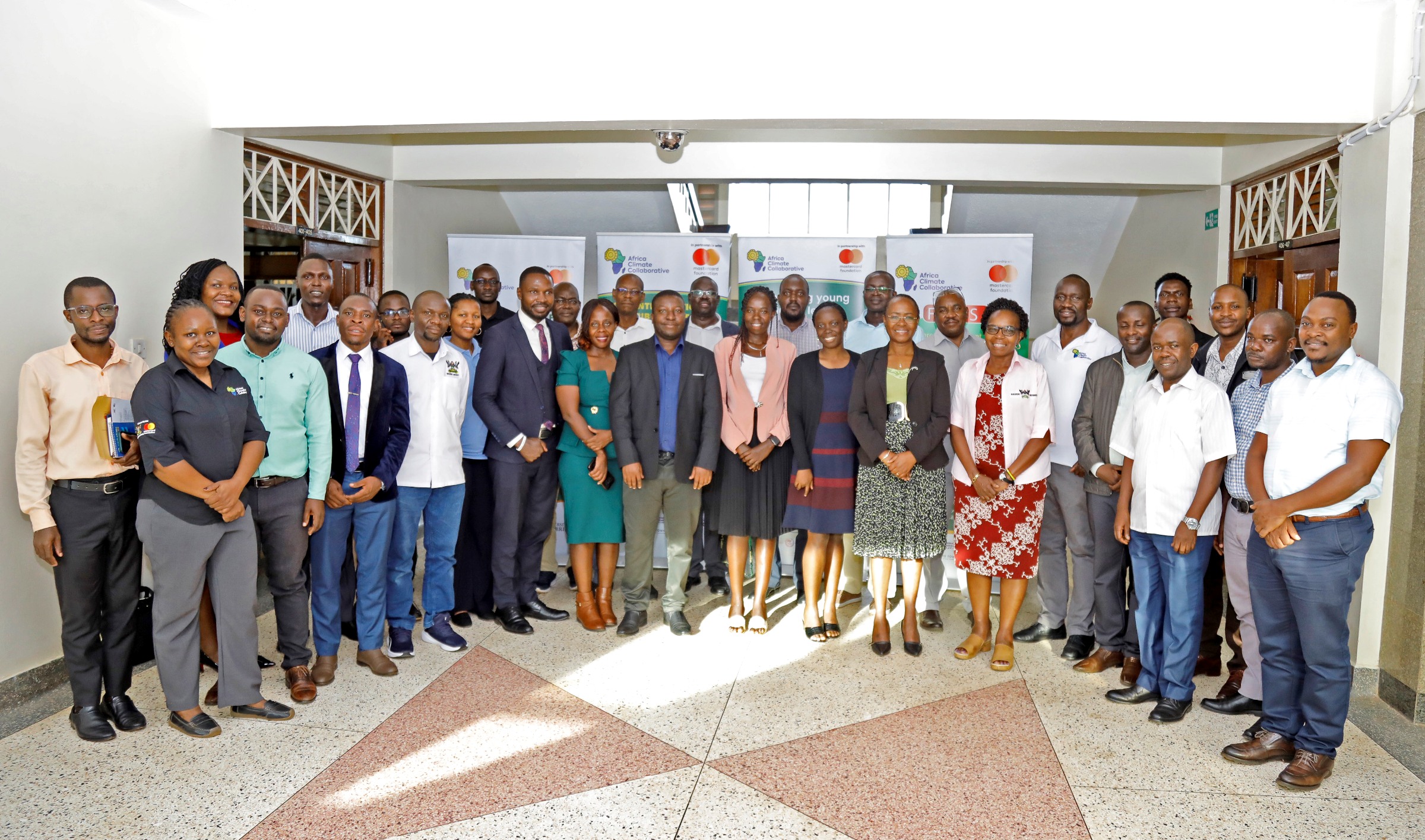
The Deputy Vice Chancellor for Academic Affairs at Makerere University, Prof. Sarah Ssali, has urged mentors under the Africa Climate Collaborative, an initiative supported by the Mastercard Foundation, to create safe, supportive and inclusive environments where scholars can freely express themselves, share their concerns and develop their full potential.
Speaking on 19 November 2026 during a Mentors’ Capacity-Building Workshop at Makerere University, Prof. Ssali emphasised that mentorship goes beyond providing academic guidance to include nurturing the personal, professional and emotional well-being of students.
“Mentorship is one of the most meaningful ways in which we can contribute to the development of the next generation of leaders. Beyond imparting knowledge and skills, mentorship provides guidance, encouragement and an opportunity for young people to learn from the experiences of those who have walked similar paths before them,” Prof Ssali said.
Prof Ssali who also doubled as the Chairperson Steering Committee of the Africa Climate Collaborative noted that the University’s responsibility in developing scholars extends beyond academic excellence to include leadership, personal growth, professional development, emotional well-being, innovation and entrepreneurship.
According to her, Makerere University recognises mentorship as an important component of an inclusive student experience, as reflected in its Strategic Plan 2025/26–2029/30. Under Strategic Objective One, which focuses on promoting quality, innovative and responsive teaching and learning, the University commits to increasing students’ access to career guidance and mentorship.
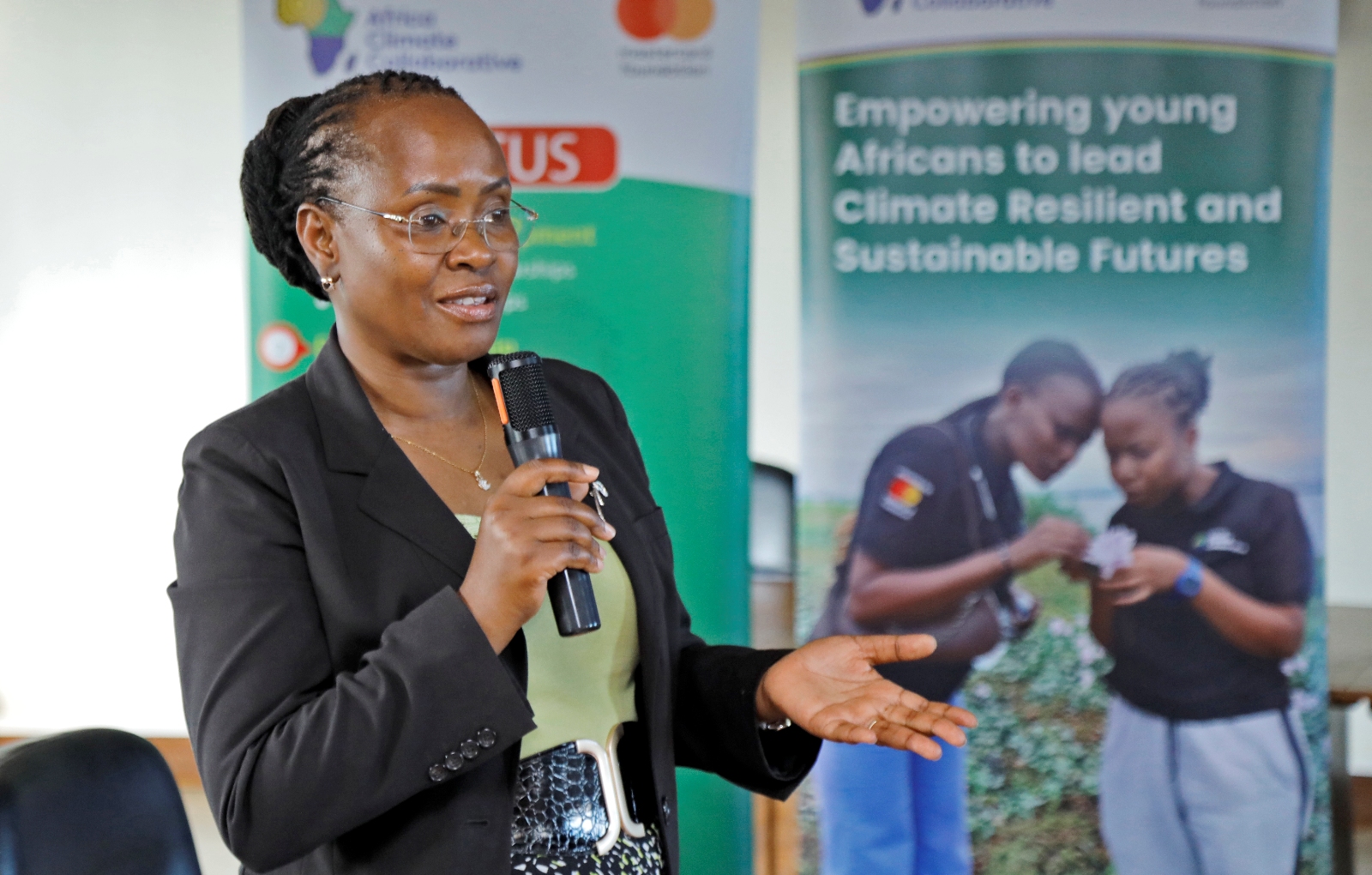
She described mentorship as an important pillar in developing well-rounded graduates, noting that it provides students with professional guidance, practical insights, networks and the confidence to navigate their academic, personal and career journeys.
Prof. Ssali encouraged the mentors to be approachable, supportive and intentional in helping scholars realise their potential. She urged them to create spaces where students feel comfortable asking questions, sharing concerns, learning from mistakes and exploring new ideas.
“Sometimes, the most valuable contribution a mentor can make is simply being available to listen, offering reassurance or helping a scholar see possibilities that they may not have previously considered,” she said.
She reaffirmed Makerere University‘s commitment to creating an enabling environment in which students and scholars can thrive academically, professionally and personally, noting that investing in mentorship is an investment in the future of the University, communities and the African continent.
Creating inclusive and safe spaces for scholars with disabilities
Ms Elizabeth Rwabu, Inclusion Support Services Officer at Mastercard Foundation Scholar’s Program at Makerere University called upon mentors to create inclusive, safe and supportive environments where scholars with disabilities can participate fully, express themselves freely and thrive academically and socially.
Ms Rwabu emphasised the importance of identifying and addressing barriers that limit the participation of scholars with disabilities.
“Mentors should recognise that it is often the barriers in the environment, rather than the impairment itself, that restrict a scholar’s full participation. By promoting accessibility, reasonable accommodation and inclusion, we can create safe and supportive spaces where every scholar has the opportunity to thrive.” Ms Rwabu said.
Supporting refugee scholars through inclusive mentorship
Mr Apollo Mulondo of the Refugee Law Project, School of Law, Makerere University, implored mentors to understand the unique experiences and challenges faced by refugee university students and provide support that responds to their individual needs. He highlighted challenges including financial hardship, mental health and emotional well-being, academic adjustment, language barriers, social isolation, family responsibilities, administrative hurdles and uncertainty about future career opportunities.
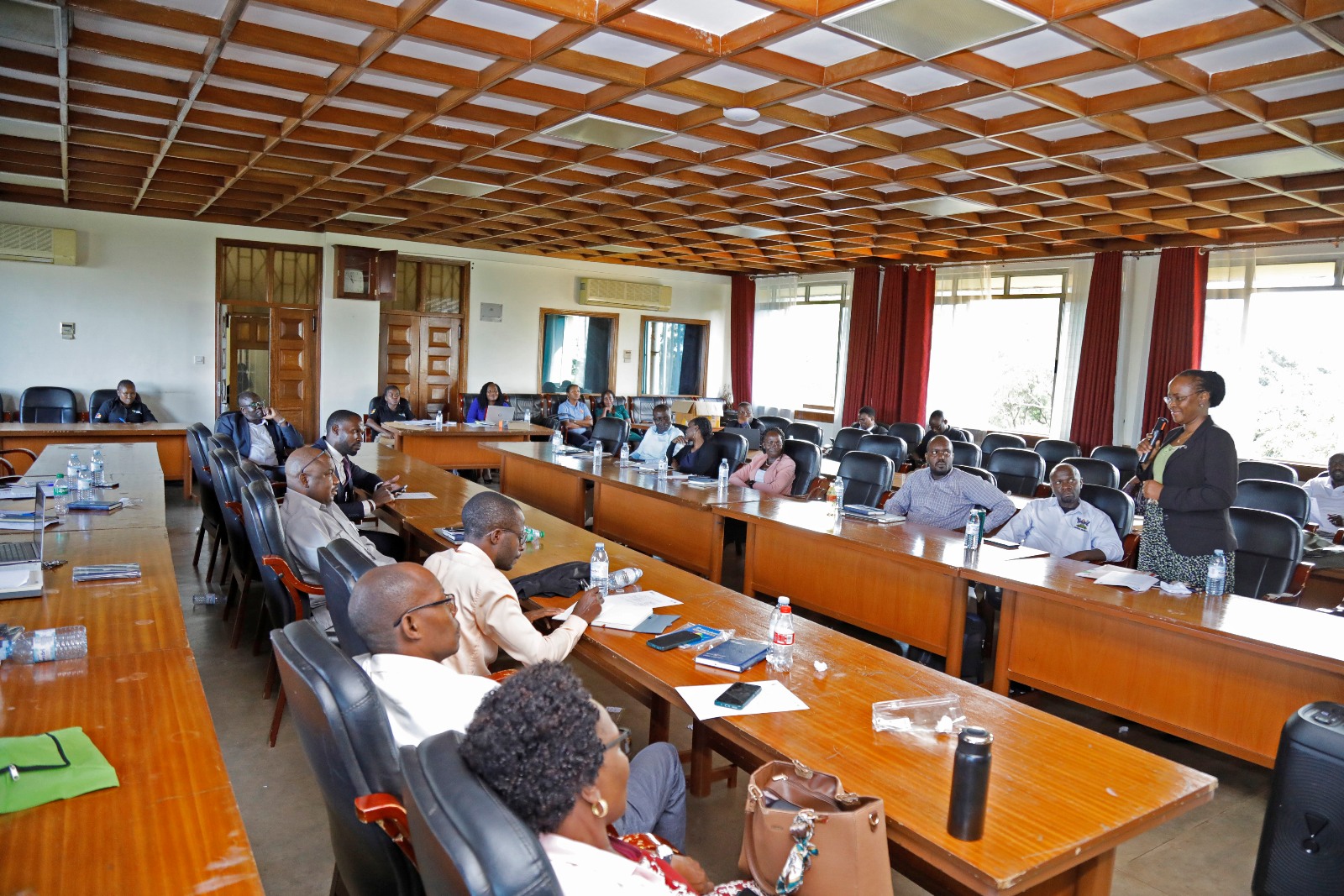
Mr Mulondo emphasised the importance of cultural sensitivity, respecting privacy and personal boundaries, and recognising the strengths and potential of refugee scholars. He encouraged mentors to promote academic and social inclusion while creating supportive relationships that empower refugee students to build confidence, overcome challenges and realise their aspirations.
“Mentors need to understand the backgrounds and unique experiences of refugee students, be sensitive to their emotional and psychological needs, respect their privacy and promote their academic and social inclusion. Above all, mentorship should empower refugee scholars by recognising their strengths and supporting them to realise their full potential.” Mr Mulondo said.
Strengthening safeguarding in mentorship
Ms Diana Nabikolo, the Safeguarding Liaison Officer at the Mastercard Foundation Scholar’s Program at Makerere University asked mentors to uphold their responsibility to protect scholars from harm by creating respectful, inclusive and safe environments. She highlighted safeguarding concerns that may affect postgraduate scholars, including sexual exploitation, abuse and harassment, gender-based violence, bullying, discrimination, physical and emotional abuse, online fraud and financial exploitation.
She highlighted the importance of establishing clear professional boundaries, listening and responding appropriately when scholars raise concerns, and promptly referring cases through designated University reporting channels.
Mentors were also reminded that they are not investigators or counsellors and should not promise secrecy, confront alleged offenders or attempt to investigate reported cases themselves. They were encouraged to familiarise themselves with the University’s Safeguarding Policy and the MakSafeSpace reporting platform.
Ms Nabikolo reminded mentors of the importance of maintaining appropriate boundaries in their mentoring relationships, stressing that mentors should not take on the personal challenges or burdens of their mentees, nor feel obligated to provide financial support.
She further cautioned mentors against becoming emotionally overwhelmed or stressed by their mentees’ circumstances, highlighting the importance of safeguarding their own well-being while providing responsible and sustainable mentorship.
Damali Mukhaye is the Communications, Public Relations and Branding Officer of the Africa Climate Collaborative at Makerere University.
General
Makerere University and Institute for African Studies Formalise Strategic Cooperation in African History Research and Dissemination

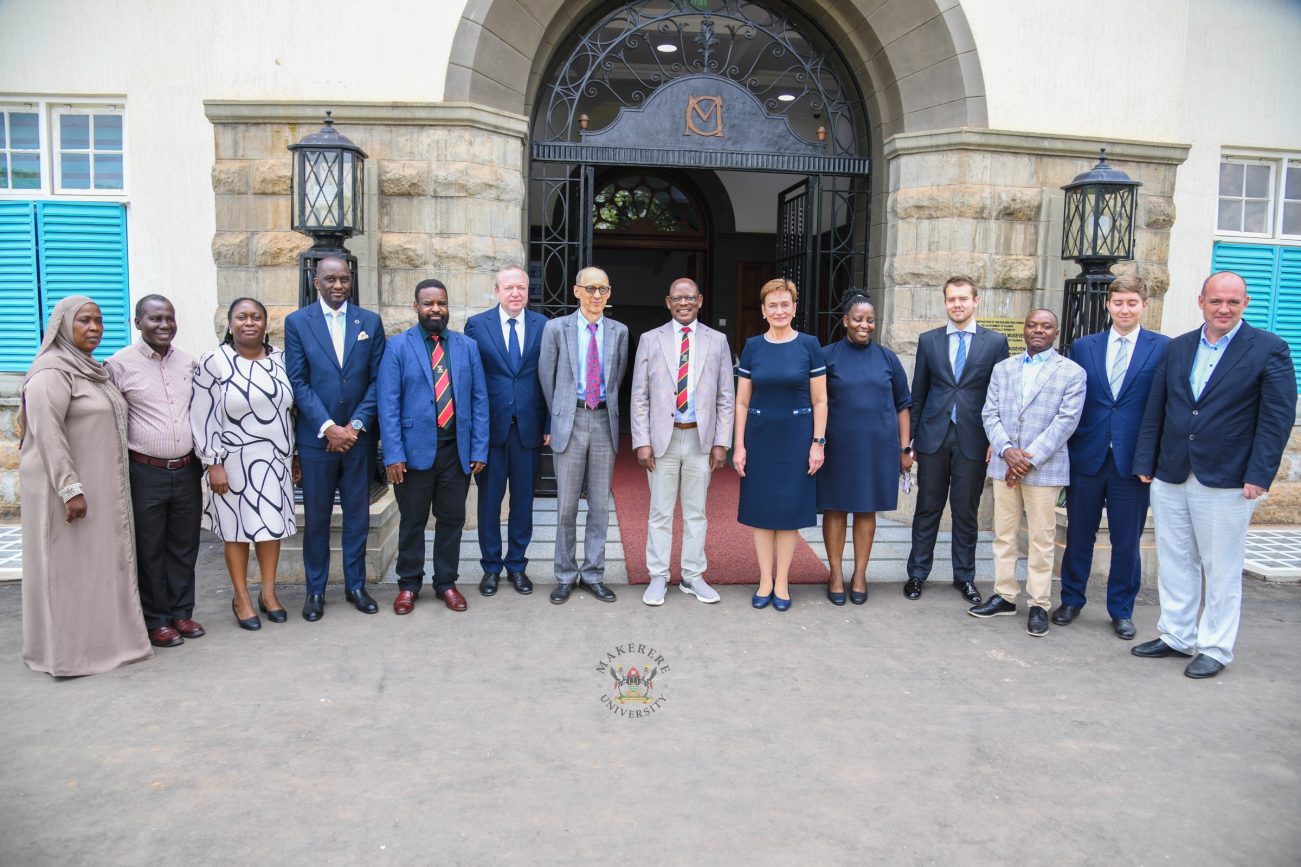
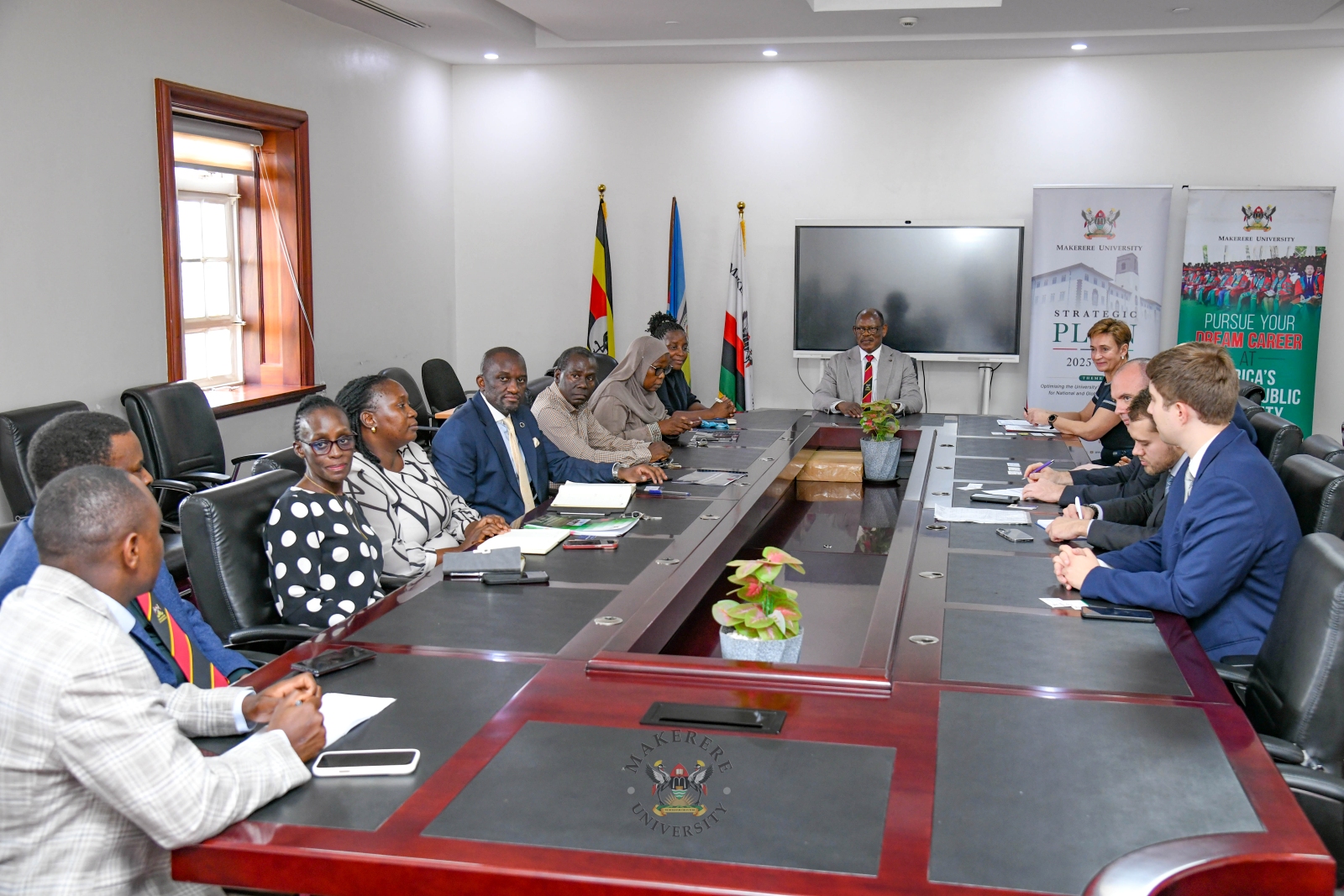
Recognising mutual interest in the development and dissemination of African History knowledge on a long-term basis, Prof. Barnabas Nawangwe, Vice Chancellor (VC) of Makerere University, and Prof. Irina O. Abramova, Director of the Institute for African Studies of the Russian Academy of Sciences (RAS) based in Moscow, Russia officially signed a Memorandum of Understanding (MoU) on Wednesday November 25, 2026. This MoU establishes cooperation in matters relating to facilitating research on African history; exchanging publications on African history and the decolonisation of knowledge; exchanging information on dialogues, conferences and seminars between the two institutions; facilitating the organisation of joint courses for undergraduate and postgraduate students on African history; discussing joint grant applications; supporting MAWAZO: The Journal of the College of Humanities and Social Sciences, Makerere University and the Journal of the IAS RAS through the submission of articles, publication of special issues and peer review.
Prof. Nawangwe noted that this partnership holds a historical and future significance for it will catalyse telling the right history and also place Makerere University at the centre of educating the world about what exactly happened. He expressed joy to sign this memorandum with the Russian Institute.
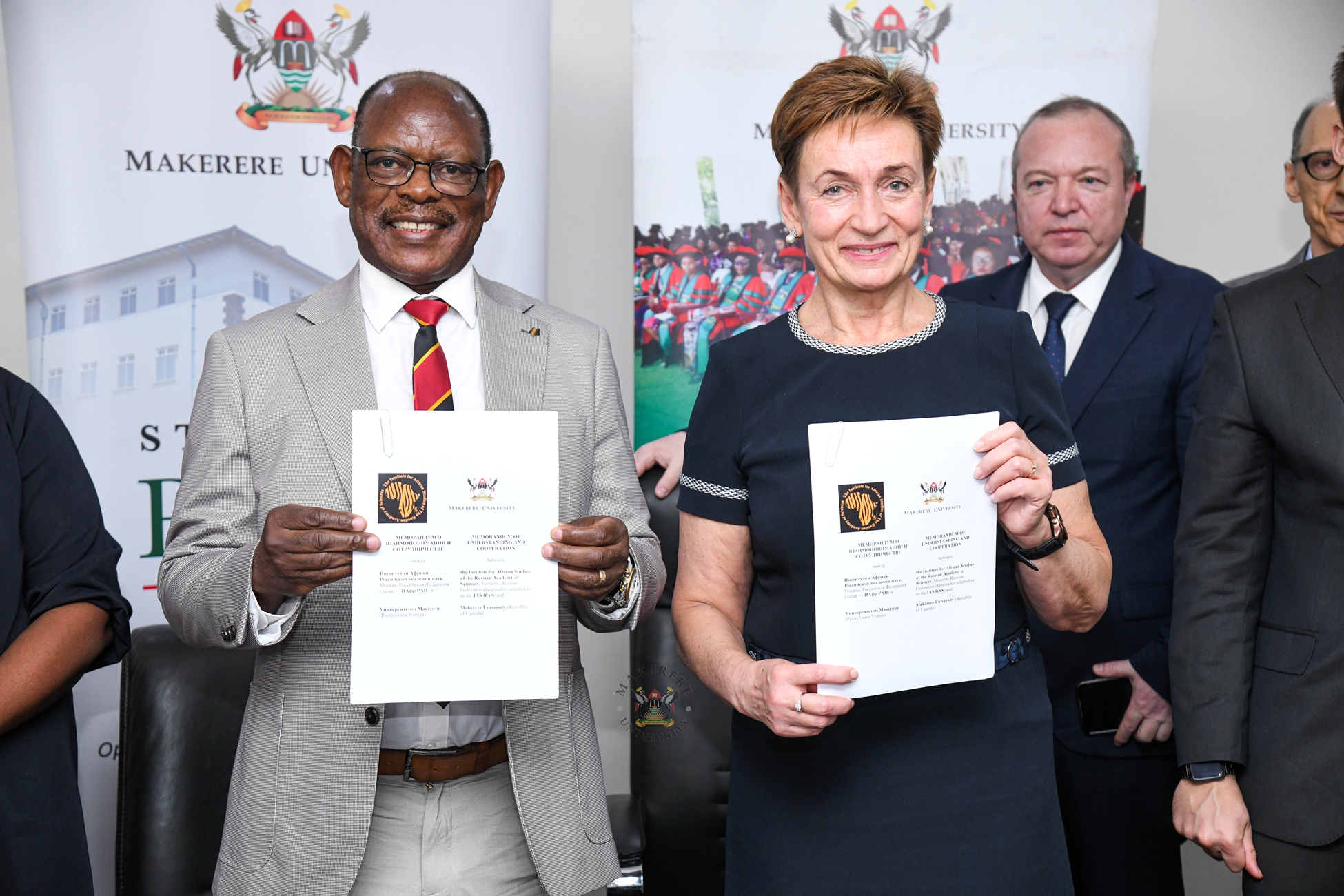
Representing the Russian delegation, Prof. Abramova emphasised the collaborative spirit of the agreement. She noted, they are here not to impose their theories and ideas but rather to learn from African researchers at Makerere University.
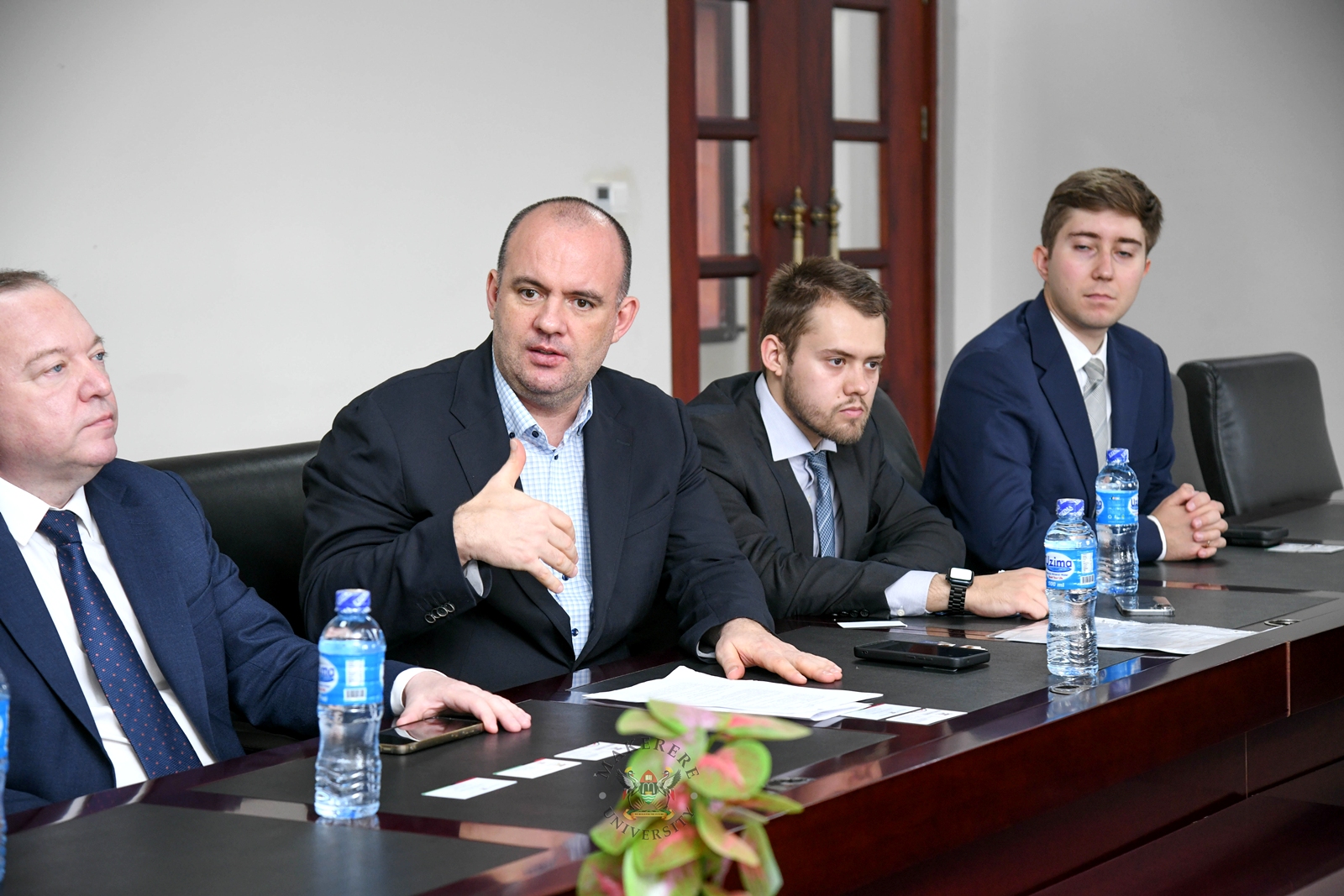
Prof. Denis A. Degterev, who is leading the implementation of the reparation project, highlighted the concrete steps already underway. He explained that they have already opened an Africa Research Group on Historic Injustices. He highlighted one of the most interesting directions of this cooperation is discussing together what social theories could be applied to the reparation agenda, and what methodologies of damage assessment could be applied.
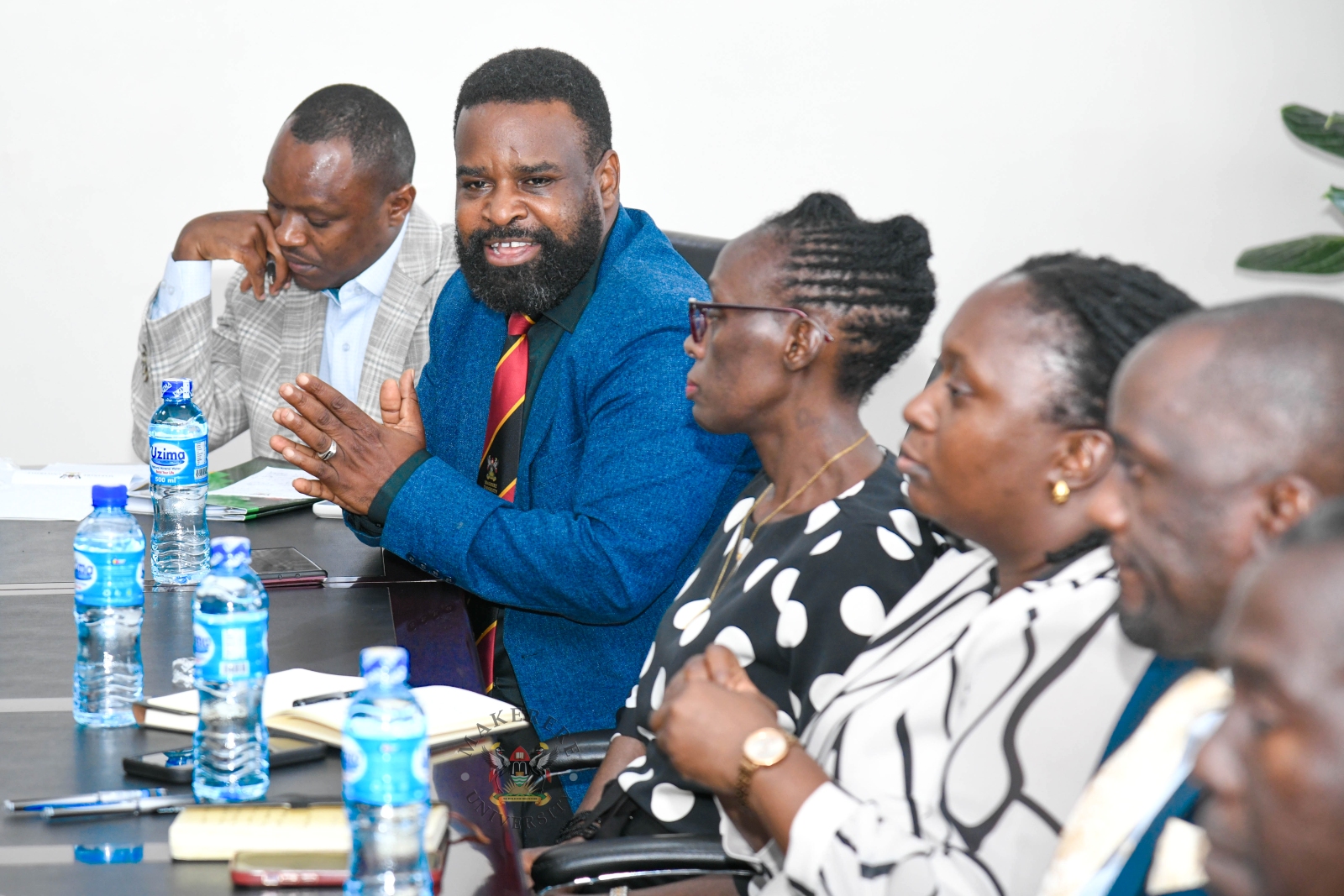
Prof. Helen Nambalirwa Nkabala, the Principal College of Humanities and Social Sciences (CHUSS) at Makerere University as well expressed enthusiasm for the interdisciplinary potential of the partnership. She noted it as a good idea to bring on this partnership especially for Makerere students already researching in this direction. Emphasising this, she also noted that “we can take it further to look at the nuances that are related to gender as far as the reparations are concerned.”
Dr Enoch Sebuyungo from the Department of Foreign Languages highlighted the linguistic and cultural dimensions of the collaboration. He noted that as a department of foreign languages, they are also very interested, especially in the experiences that researchers have had in the teaching and learning of Russian as a foreign language.
Prof. Robert Wamala, the Director in charge of Research and Partnerships at Makerere University, focused on the broader institutional impact, noting that the actualisation of this collaboration is dependent on numerous factors. He projected follow ups to ensure the fruits of this engagement come to life.
Bringing in the strategic planning perspective, Mr. Simon Kizito, the Makerere University Secretary connected the partnership to Uganda’s national development agenda. He noted that the government of Uganda is now concentrating on seeking to grow the economy. He said this collaboration can help in fulfilling the government agenda, and certainly the National Development Plan aspiration by exposing students and staff to history and opportunities beyond Uganda.
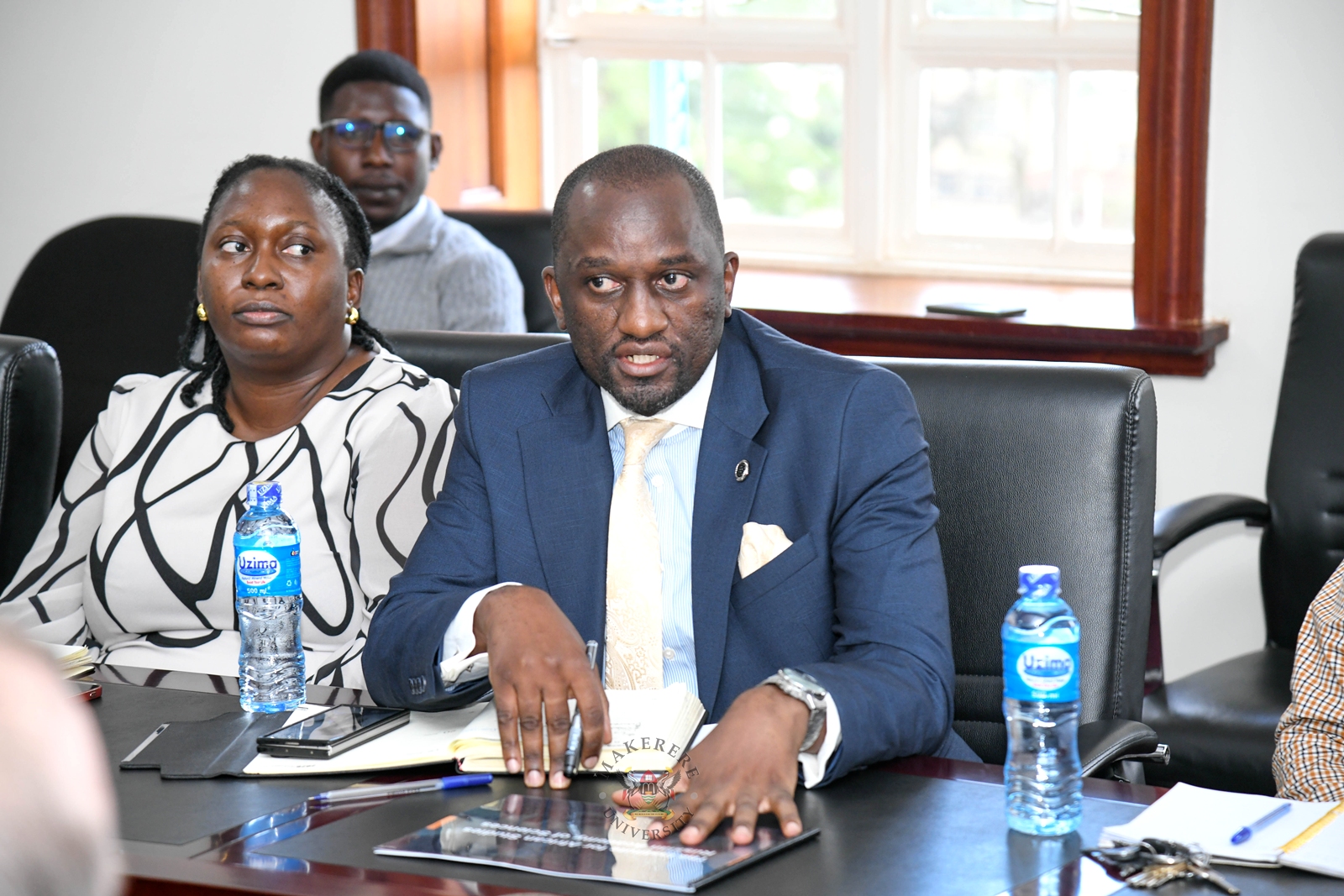
The meeting concluded with a forward-looking proposal from the Director of the Institute for African Studies regarding future expansion. She suggested, “I can inform the head of our academy, Prof. Krasnikov, that maybe it would be very useful to sign also MoU between the Makerere University and the Russian Academy of Sciences to promote not only humanitarian collaboration… but also to wide the cooperation and to promote the contacts in innovation.”
-
 Agriculture & Environment1 week ago
Why RUFORUM’s 22nd AGM in Zambia matters for Africa’s next generation
-
 General2 weeks ago
Makerere Celebrates Prof. Mbazira’s Law Scholarship at His Inaugural Professorial Lecture and Book Launch
-
 Agriculture & Environment1 week ago
Makerere Launches Programme to Strengthen Resilience of Vulnerable Communities to Climate Change
-
 General1 week ago
Makerere GENDIG International Conference Calls for Gender-Inclusive Digital Transformation
-
 Health1 week ago
From Store to Patient: Keeping Uganda’s Medicines Within Reach as Funding Shifts