General
Makerere University students to give out condoms
Published
14 years agoon
Makerere University students have launched a campaign drive to distribute condoms and contraceptives in order to prevent unwanted pregnancies and HIV/AIDS.
You may like
General
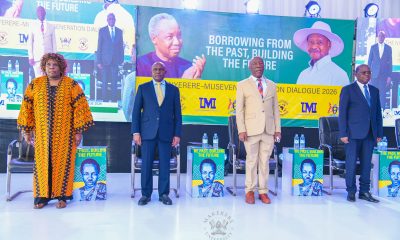
JNLC Leadership Symposium Equips Young Leaders for Responsible and Transformative Leadership
Published
7 hours agoon
September 29, 2026By
Mak Editor
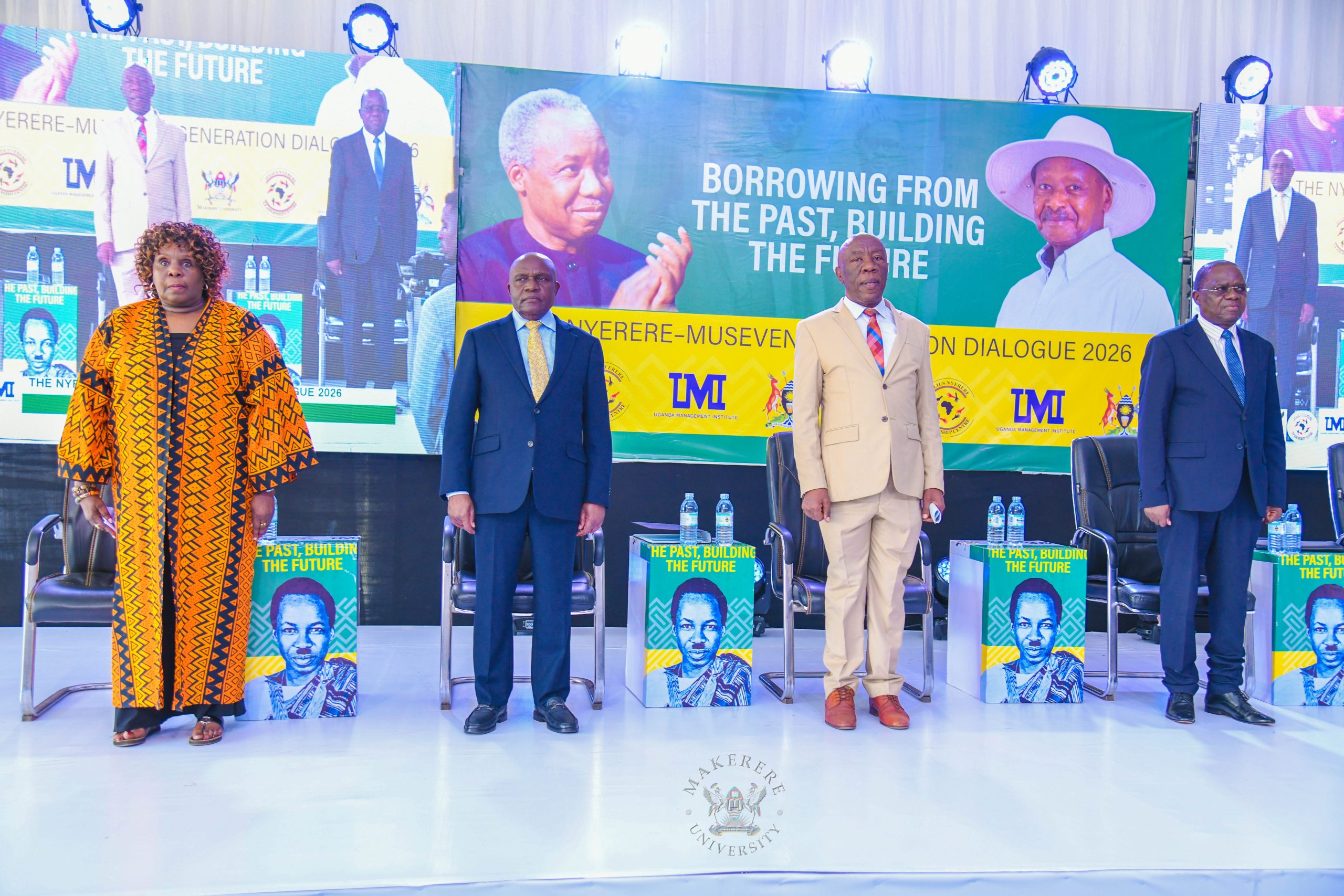
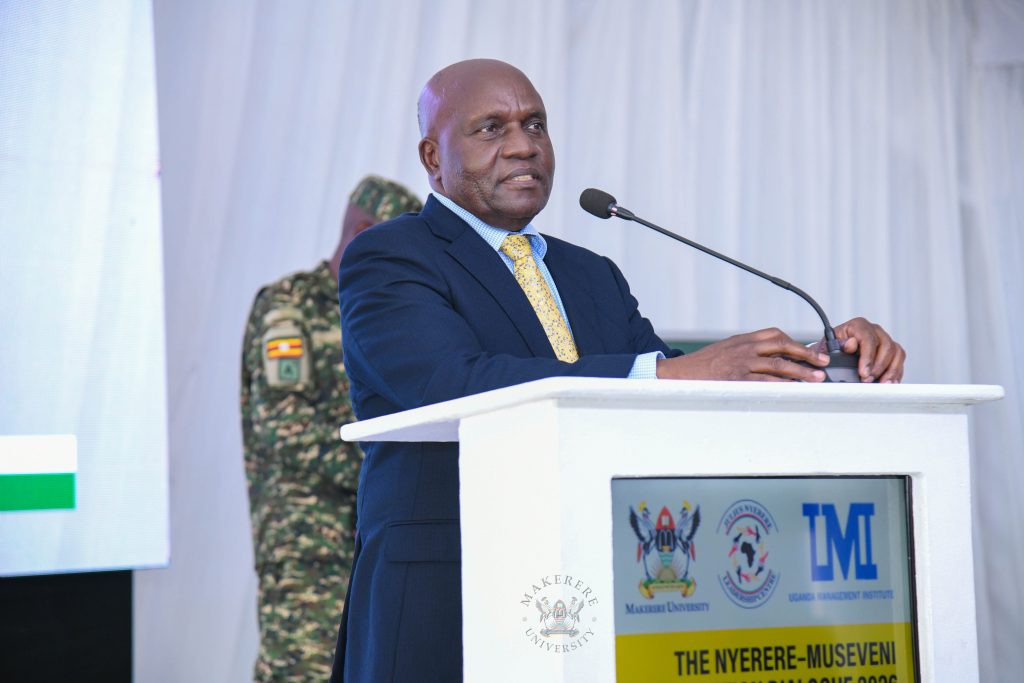
The Julius Nyerere Leadership Centre (JNLC), in partnership with Makerere University, the United Nations Development Programme (UNDP), and the Uganda Management Institute (UMI), hosted a symposium to equip young leaders with the skills needed to serve their communities effectively, promote accountability, build public trust, and contribute to Ugandaโs social and economic development.

Held on 22 September 2026 at Makerere University, the symposium focused on the theme of leadership beyond the ballot and targeted newly elected leaders at various levels of government. To provide a balanced perspective, the event brought together experienced leaders from different sectors, including government officials, Members of Parliament, local government leaders, cultural leaders, academics, and university student leaders.
The symposium featured presentations and a series of panel discussions involving leaders from diverse sectors and disciplines. The sessions created space for the free exchange of ideas and experiences in a relaxed and engaging setting.

Embrace Service and Build a Lasting Legacy
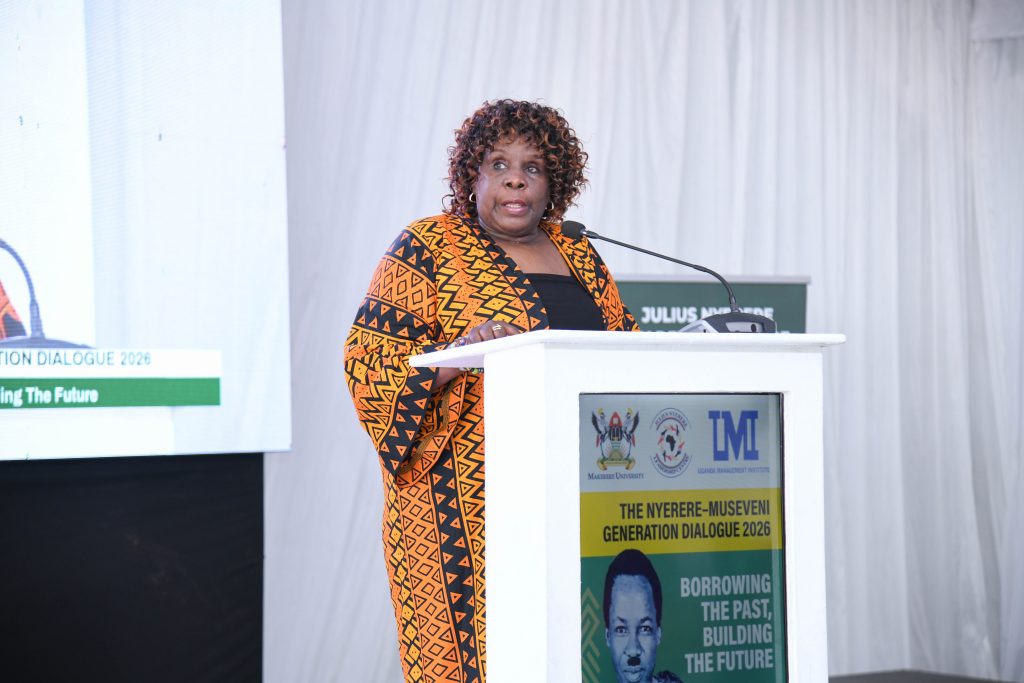
Dr Suzie Nansozi K. Muwanga, Executive Director of the Julius Nyerere Leadership Centre, urged the newly elected young leaders to view leadership as a responsibility to serve communities, create opportunities for others, and build a lasting legacy.
โAt the Julius Nyerere Leadership Centre, we believe that leadership is ultimately about service,โ Dr Muwanga said. She invited participants to reflect on the kind of leadership their communities need and how they can use their positions to empower others.
While congratulating the young leaders on their election, Dr Muwanga reminded them that their mandate carries a responsibility to represent their constituents and contribute to the countryโs development. She also reaffirmed the Centreโs commitment to supporting and working with the young leaders throughout their leadership journeys.

Prioritise Integrity, Digital Skills and Community Service
Addressing the newly elected leaders, as well as young people who had participated in the electoral process but were not elected, Ms Nwanne Vwede-Obahor of UNDP Uganda said that both experiences represented important steps in their leadership journeys.
Describing Ugandaโs youth as โa critical asset to social and economic transformation,โ Ms Obahor emphasised the need to equip young people with the skills, values, and opportunities required to contribute meaningfully to national development through legislation, oversight, mobilisation, and accountability.
โTransformative leadership begins with character,โ she said, highlighting the importance of purpose, integrity, accountability, and service. She challenged the young leaders to continually reflect on why they had chosen to serve and what they hoped to achieve, noting that public trust and commitment are essential for creating lasting impact.
Ms Obahor also urged the leaders to embrace digital skills and emerging technologies, including artificial intelligence and data-driven tools. She encouraged them to use technology to address challenges in areas such as agriculture, employment, and entrepreneurship.
She stressed the importance of collaboration, partnerships, and mentorship, urging leaders to remain connected to the communities they represent and to ensure that their priorities reflect the concerns and aspirations of citizens.
Ms Obahor said that UNDP would continue supporting the young leaders beyond the initial training by assisting them to develop personal leadership brands, vision statements, and practical leadership impact plans.
Discover Your Purpose and Serve with Responsibility
The former Minister of Agriculture, Animal Industry and Fisheries, Hon. Victoria Sekitoleko, urged the young leaders to understand their purpose, remain committed to service, and recognise that leadership begins long before one assumes public office.
She emphasised that leadership is not determined by age or position, but by responsible decision-making, effective communication, and the ability to influence others positively.
โUse the programme to discover your individual leadership path and remain committed to it,โ she told the participants.
Drawing on her experience, Hon. Sekitoleko reminded young people not to wait for formal positions before demonstrating their leadership abilities. She advised them to learn from history and from the experiences of previous leaders, cautioning them against allowing anger or emotion to influence their decisions.
She stressed that effective leadership requires knowledge, communication skills, and wisdomโincluding knowing what to say, when to speak, and when to remain silent. She also called on the leaders to build sustainable livelihoods while using their public positions to serve communities and create opportunities for others.
Hon. Sekitoleko appealed to alumni of leadership programmes to share their knowledge by mentoring young people in schools and promoting democratic leadership through initiatives such as student elections and prefect councils.
Acknowledging the challenges and uncertainties that leaders may face, she encouraged young politicians to persevere and seek guidance from experienced leaders whenever necessary.


Panel Discussion One: Leadership Experiences
Moderated by Mr Sebastian Ssegawa of the Julius Nyerere Leadership Centre, the first panel brought together Hon. Robert Maseruka, Member of Parliament for Mukono South; His Lordship Alionzi Lawrence, Mayor of Arua City; Ms Natasha Ahereza, General Secretary of the NRM Youth League; and Ms Gorret Karungi, Female Youth Councillor for Fort Portal.
Reflecting on his leadership journey, His Lordship Alionzi Lawrence, the 88th Guild President of Makerere University and Mayor of Arua City, explained that his experience began in student leadership and later progressed to local government.
โMy decision to contest for mayor was motivated by where I could make the greatest impact,โ he said. He noted that effective and transformative leadership requires deliberate training and continuous learning. Using the example of a bus driver, he explained that natural ability alone is not sufficient to take responsibility for the safety and wellbeing of others.
โThere are qualities that a human being can be born with that can be crucial to leadership, like empathy and listening. But those in themselves are insufficient to constitute transformational leadership. It requires training,โ he said.
He commended leadership development initiatives for providing an important foundation to prepare young people to assume leadership responsibilities and serve their communities effectively.
Sharing her leadership experience, Ms Natasha Ahereza, General Secretary of the NRM Youth League, emphasised that effective leadership extends beyond titles and positions of authority.
โLeadership is demonstrated through the ability to listen to people, understand their concerns, and develop practical and responsive solutions to the challenges they face,โ she said.
She urged young leaders to look beyond political affiliations and focus on what they can do for the people who have entrusted them with leadership responsibilities.

Ms Gorret Karungi, Female Youth Councillor for Fort Portal, shared her experience of entering local government, noting that her journey was marked by resistance and several challenges. She explained that mentorship and persistence helped her overcome these obstacles and assume greater responsibilities.
She emphasised that leadership positions should be viewed as platforms for public service rather than opportunities for personal enrichment. Highlighting the importance of mentorship, Ms Karungi noted that guidance and support from experienced leaders can help young leaders navigate challenges and grow in their roles.
Hon. Robert Maseruka, the 89th Guild President of Makerere University and Member of Parliament for Mukono South, traced his leadership journey to his experience in student representation. He explained that his first leadership opportunity emerged after he helped fellow students navigate the university enrolment process.
He called upon the newly elected leaders to begin their service with a clear sense of purpose, serve with ambition, and work towards leaving a legacy that future generations can reference.
Hon. Maseruka also emphasised the need to shift the focus from a candidateโs position or political identity to their ability to serve, deliver, and create meaningful impact in their communities.

Panel Discussion Two: Insights from Seasoned Leaders
Moderated by Ms Annet Mpabulungi Wakabi, Team Leader for Governance and Leadership at UNDP, the second panel featured Hon. Emmanuel Lumala Dombo, politician and Director of Information, Publicity and Public Relations at the National Resistance Movement (NRM); Ms Christine Musisi, former UNDP Resident Representative in Tanzania; and Mr Solomon Sserwanjja, Chairperson of Local Council One (LC1) in Bamutakudde Village.
Reflecting on his experiences in student leadership and national politics, Hon. Emmanuel Lumala Dombo emphasised that effective leadership requires timely decision-making, respect for diverse communities, and a clear understanding of the responsibilities associated with representing others.
He advocated for stronger national values and greater social cohesion, noting that historical prejudices based on religion, ethnicity, and other identities should not continue to shape political and community relations. Hon. Dombo also called for deliberate investment in leadership development. He noted that, just as societies invest in developing qualified professionals in other sectors, countries should systematically prepare competent individuals to assume positions of responsibility.

Ms Christine Musisi advised the young leaders to develop visions that extend beyond personal success and instead focus on significance, impact, and legacy. โIf you do not reproduce other leaders, what legacy are you leaving behind?โ she asked.
Underscoring trust as a central component of effective leadership, Ms Musisi urged leaders to act with integrity, respect other peopleโs values, and build relationships across political and ideological differences.
โTrust is the currency of leadership,โ she said. She encouraged leaders to critically assess the people around them, particularly their closest advisers. According to Ms Musisi, effective leaders need people who can hold them accountable, support them during difficult moments, and share their core values.
Impressed by the exchange of ideas during the symposium, Ms Musisi advocated for the revival of Ekyootoโthe traditional โfireplace conversation,โ where young people interact with elders and experienced professionals. She encouraged the young leaders to seek mentors who could support them in their journey from success to significance.
Focusing on the importance of strategic planning, Mr Solomon Sserwanjja, Chairperson of LC1 in Bamutakudde Village, noted that leaders often enter office with manifestos and promises. However, these commitments must be translated into practical plans once they assume responsibility.
โWhen you come into leadership, it then becomes strategy. Have a plan which is subsequently translated into annual and quarterly work plans,โ he said. He explained that this approach enables leaders to identify priorities, set targets, define activities, and establish a framework for monitoring progress.
Mr Sserwanjja further noted that organisation and effective systems can help communities attract resources and partnerships. โPeople want to give to an organised society. People want to contribute to an organised leader,โ he said. He urged emerging leaders to move beyond making promises and demonstrate leadership through tangible results, accountability, and effective systems. Leaders who consistently deliver on their commitments, document their achievements, and establish structures capable of attracting resources are better positioned to build confidence among their communities and partners.
โBuild the trust by delivering, document your wins as a leader, be accountable and create a system that attracts resources and impacts,โ he advised. He also called upon participants to strengthen the LC system as a platform for accountability and representation. โThe LC1 position should be the most powerful office in the public service system,โ he stressed.

Panel Discussion Three: Insights on Unemployment
The third panel, moderated by Dr Julius Kiiza, Associate Professor in the Department of Political Science and Public Administration at Makerere University, brought together government officials, cultural leaders, and academics. The panellists were Mr Aggrey David Kibenge, Permanent Secretary in the Ministry of Gender, Labour and Social Development; Owek. Robert Sserwanga, Minister for Youth, Sports and Arts in the Buganda Kingdom; and Dr Irene Esther Mutuzo Sevume, a member of faculty at Makerere University.
Mr Aggrey David Kibenge highlighted the need for a whole-of-government approach, noting that unemployment and skills development cannot be addressed by a single institution. โEducation, labour, industry and youth programmes need to work together to ensure that the skills acquired in schools and universities correspond with labour-market requirements,โ he said.
Owek. Robert Sserwanga underscored that leadership should be centred on service rather than personal interests. He called for a rethink of prevailing mindsets and approaches to addressing future skills gaps, observing that the knowledge acquired in school does not always translate into the practical abilities required in the modern workplace.
Mr Sserwanga also called for more flexible approaches to organising work around outputs and competencies. In his view, employability should not be defined solely by conventional office hours or traditional workplaces, but by an individualโs ability to deliver useful and marketable skills.
He emphasised the importance of leadership in addressing youth unemployment and other development challenges. He encouraged leaders to focus on solving problems within their communities and creating opportunities for the people they represent. He pointed to community-based initiatives and partnerships as potential mechanisms for promoting self-help, skills development, and local economic activity.
Contributing to the discussion, Dr Irene Esther Mutuzo Sevume explained that smartphones and internet access have opened up opportunities that were not available to previous generations. Young people can now access international employers, fellowships, training programmes, and business opportunities without necessarily relocating.
Dr Mutuzo Sevume encouraged young people to move beyond the traditional perception that a โgood jobโ must involve a suit, an office, and a conventional nine-to-five schedule. She advised graduates to explore remote work, digital careers, fellowships, entrepreneurship, and other opportunities available through online platforms.
She also encouraged young people to use emerging technologies, including artificial intelligence, to develop and refine business ideas, build relevant skills, and identify opportunities, rather than relying on technology primarily to complete academic assignments.
Build Credibility through Strategic Communication
During her presentation on โStrategic Communication and Personal Branding,โ Ms Mildred Tuhaise, a media and strategic communications consultant, emphasised that leadership should be driven by purpose rather than position. She noted that titles are temporary, while a leaderโs reputation, influence, and impact can endure for generations.
Ms Tuhaise said that leaders should deliberately build their professional identities around three key qualities: character, competence, and consistency. She explained that character is demonstrated through a leaderโs conduct in both public and private settings, while competence requires leaders to understand their areas of responsibility and communicate with knowledge and authority.
She encouraged young leaders to establish a niche and develop expertise in specific areas rather than attempting to speak on every subject without sufficient knowledge. On public speaking, Ms Tuhaise stressed the importance of preparation, clear messaging, an audible voice, and confident body language. She advised leaders to read widely and fact-check information before making public statements. She also encouraged them to request time to consult when they do not have sufficient information, rather than providing misleading answers.
She underscored the importance of ensuring that communication on every platform is both timely and accurate. Ms Tuhaise cautioned young leaders about the permanence of their digital footprints, noting that posts, photographs, and statements shared online can resurface years later and affect how they are perceived professionally. She urged leaders to remain authentic, uphold integrity, and recognise that their personal conduct is often associated with the institutions and positions they represent.
Embrace AI for Responsible and Effective Leadership

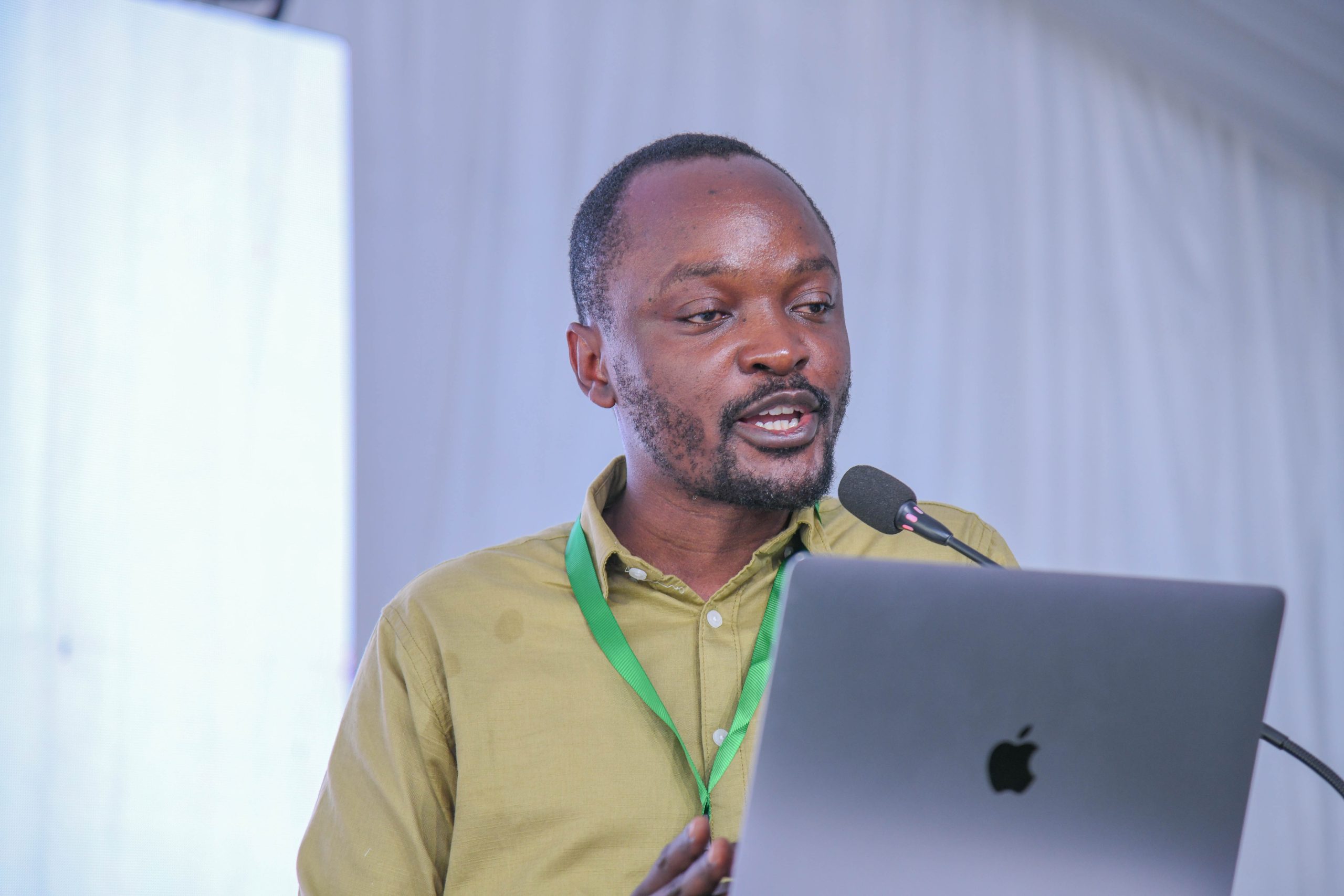
In a presentation titled โArtificial Intelligence, Digital Technology and Data-Driven Decision-Making,โ IT practitioner and digital expert Mr Andrew Jombwe argued that artificial intelligence should not primarily be viewed as a threat, but as a tool for augmenting human capabilities.
Mr Jombwe stressed that technological advancement must go hand in hand with ethics, integrity, and human responsibility. While technology can enhance human intelligence and productivity, he noted that it cannot replace human judgement, contextual understanding, values, and character.
He urged leaders and young people to move beyond fear of artificial intelligence and acquire the knowledge necessary to understand and use emerging technologies responsibly. Highlighting some of the risks associated with AI, Mr Jombwe called upon the newly elected leaders to apply it ethically in addressing everyday challenges and improving service delivery.
Promote Mental Health and Personal Wellbeing
During her presentation on mental health and wellbeing, Hon. Obiga Rose, Chairperson of the Uganda Parliamentary Forum, noted that financial difficulties, unemployment, academic pressure, relationship challenges, social media, substance abuse, and other life stresses can negatively affect mental wellbeing.
She urged young people to remain positive, build resilience, and seek support when facing difficult situations, rather than allowing setbacks to lead to hopelessness or self-harm. She recommended healthy habits such as regular exercise, proper nutrition, adequate water intake, and avoiding excessive alcohol consumption, smoking, and drug use.
Hon. Obiga also emphasised the importance of self-reflection, meditation, positive relationships, and avoiding negative influences, particularly on social media. Drawing on her own experiences, she encouraged young people to remain determined, trust in their abilities, and recognise that failure and setbacks do not define their future.
Turn Training into Community Impact
The Chairperson of Local Council Five in Namisindwa District, Mr Emmanuel Bwayo, noted that young leaders who receive training and mentorship have a responsibility to apply the knowledge gained to serve their communities effectively and build public confidence in the younger generation.
He encouraged young leaders to be patient with their growth, respect experienced leaders, and work constructively with public servants and other stakeholders.
Mr Bwayo commended the Julius Nyerere Leadership Centre for providing leadership training and called for more leaders, including Members of Parliament, to receive similar training in order to strengthen leadership and governance in the country.
Govern with Integrity and Evidence

Ms Annet Mpabulungi Wakabi, Team Leader for Governance and Peace at UNDP Uganda, urged elected and aspiring young leaders to lead with integrity, use evidence to inform decision-making, and embrace digital competencies to improve governance and public service delivery.
She commended the leadership programme and the mentors who had contributed to preparing young leaders at the national, municipal, and local government levels. โCommunities depend on them to address challenges. Use the knowledge gained from experienced leaders to serve effectively,โ she said.
Ms Wakabi reaffirmed UNDPโs commitment to supporting governance transformation in Uganda and urged the young leaders to work closely with their communities to contribute to the achievement of the countryโs 2030 Sustainable Development Goals.
Put Dignity at the Centre of Leadership
Delivering the closing remarks, Dr Nansozi K. Muwanga, Executive Director of the Julius Nyerere Leadership Centre, advised the young leaders to put people and their dignity at the centre of leadership.
She called upon them to uphold integrity, embrace innovation, and use technology responsibly to develop solutions and strengthen their connection with the communities they serve.
Dr Muwanga also expressed appreciation to UNDP Uganda for supporting the leadership programme and helping to extend training and continued mentorship to young leaders across the country.
Moderated by Mr Henry Kasacca and Mr Sebastian Ssegawa, staff members of the Julius Nyerere Leadership Centre, the symposium marked a significant step towards equipping newly elected young leaders with insights from experienced leaders.
The discussions underscored the importance of service, integrity, accountability, competence, continuous learning, mental wellbeing, evidence-based decision-making, and the responsible use of technology in effective leadership.
General
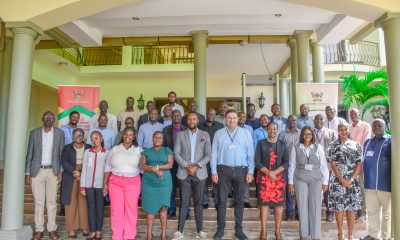
Deepening Japan-Makerere Collaboration: VC Hosts Assistant Minister H.E. Amb. TAKAHASHI
Published
1 day agoon
September 28, 2026
The Vice Chancellor (VC) of Makerere University Professor Barnabas Nawangwe and Members of Management on September 28, 2026 welcomed H.E. Ambassador TAKAHASHI Misako and her delegation in the Council Room at Main Building to discuss ways of deepening their academic and technical collaboration.
H.E. TAKASHASHI is the Director-General/Assistant Minister for African Affairs, in the Ministry of Foreign Affairs of Japan.
In the session, VC acknowledged and appreciated the long-standing partnership between the University and Japanese institutions; both private and government.
“The university has had good relations with the Embassy of Japan, with JICA, and with several other Japanese institutions… When we returned to normalcy after turbulent political years, the Government of Japan was among the first ones to come to revive our excellence… so Uganda has had a very long and friendly relationship with Japan” Prof. Nawangwe remarked.
He further emphasized the historical impact of this support saying “I want to claim that it could have been because of the support that was given to the Department of Geology at that time, that the discovery of oil became possible in Uganda.”

Contributing to the discussions, the First Deputy Vice Chancellor in charge of Academic Affairs (DVCAA), Professor Sarah Ssali shared areas such as Oral and Maxillofacial Surgery as well as Neurosurgery, where Makerere could benefit from Japanese expertise. She added that the Institute of Gender and Development Studies (IGDS) currently enjoys a collaboration with the Tokyo University of Foreign Studies.
Adding on the outstanding partnership, the Deputy Vice Chancellor in charge of Finance and Administration (DVCF&A) Professor Henry Alinaitwe highlighted traffic management as one of the key areas supported, he said “Japan has helped Uganda in the management of traffic…”
Expounding on this, HE. TAKASHASHI said “I just visited the control center for traffic in Uganda. It was built by a Japanese aid… as of today, they are controlling 31 junctions of traffic signals in Kampala City. They are supposed to boost up their activities to cover the entire Kampala city’s traffic systems” a project, she said, the Japanese Government remains committed to.
Continuing, Professor Alinaitwe highlighted Japanโs resilient and strong structures that can withstand earthquakes. He shared that โJapanese are helping us in developing the standards for earthquake design and management.โ
Picking it up from here, H.E. TAKAHASHI acknowledged Japanโs proneness to earthquakes, which has led the country to develop leading global expertise in their management. Although Uganda is not comparatively prone to earthquakes, she reaffirmed that โJapan is deliberately thinking about the sustainable development of Ugandaโ, as a symbol of their friendship with institutions and the young people of Uganda.

She said the Tokyo International Conference on African Development (TICAD) where “President Museveni is a long-standing participantโ is a vital platform for addressing Japanโs various interests in Africa. She also talked about the Free and Open Indo-Pacific (FIOP) Principle, and Japanโs three pillars for Africa.
โThe three pillars of Japanese foreign policy towards Africa include; realising a continent of peace in Africa, creating a virtuous cycle of growth between Japan and Africa, and finally realising a society where everyone can feel genuine prosperity through empowering young generation for co-creation,โ H.E TAKAHASHI noted.
Professor Julius Kikooma the Director for Graduate Training, expressed a need to leverage the partnership further in graduate student supervision, “our biggest area for collaboration should be capacity strengthening through trainings and working together to boost co-supervision of doctoral programs.”
Agreeing with Professor Kikooma, the Principal College of Veterinary and Animal Resources, Biosecurity Professor Clovice Kankya appreciated the support from Japan, particularly in the training of staff.
โA number of our staff have moved to universities in Japan for staff exchange for competence-based kind of training, but also to mention our Japanese counterparts have given a lot of technical support, not only to Makerere College of Veterinary Medicine, Animal Resources and Biosecurity, but also to the Ministry of Agriculture, Animal Industry and Fisheries. This kind of collaboration has resulted to advancing some of the veterinary reference laboratoriesโ Prof Kankya elaborated.
Appreciating H.E. TAKAHASHIโs visit, Prof. Nawangwe expressed gladness that the brief session had brought forth a number important issues for discussion, which will enhance collaborations between Makerere University, the Embassy of Japan, and the people of Japan in general.

Some of the key areas with existing collaborations include;
- Engineering and Infrastructure
- Traffic Management
- Health and Veterinary Sciences
- Students and staff exchange
- Space science
- Disaster prevention
- Capacity building and volunteers
- Library and cultural resources
Makerere currently partners with a number of Japanese Universities including; University of Kobe, University of Tokyo, Kyoto University, Tottori University, among others.
The University Management appreciates the government of Japan for an impactful collaboration over the years as โWe Build for the Future.โ
Photos by Benite Uwase, Public Relations Office, Makerere University
General
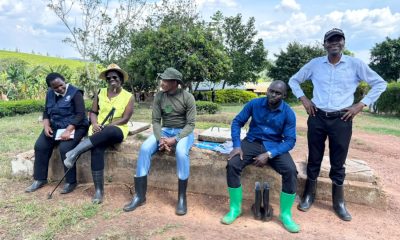
Makerere Marathon 2026 – Running to Equip the Disability Support Center
Published
2 days agoon
September 27, 2026
Kampala – Braving the morning downpour, participants started gathering as early as 5:00 AM. University roads were awash with green and gold kits clad by thousands of runners who gathered at the Hill to participate in the 6th edition of the Makerere Marathon that took place on September 27 2026.
Attendance was representative, with students, alumni, corporate teams and distinguished guests present to run under the featured race categories including the 5km, 10km, 21km, and 42km, alongside a 3km wheelchair race. These options gave persons of different abilities and fitness levels the opportunity to take part.
All races were officially flagged off at the Makerere Main Building parking lot by various dignitaries from Makerere, and partnering institutions led by the Chief Runner, the Speaker of Parliament Rt. Hon. Jacob Marksons Oboth. He was joined by the Chancellor of Makerere University and Second Deputy Prime Minister, Hon. Dr. Crispus Walter Kiyonga.
The other dignitaries that accompanied the Speaker included; Dr Lorna Magara the Chairperson of Makerere University Council, Mr. Mark Anthony Muyobo CEO NCBA Bank Uganda, Mr. Phrase Lubega Managing Director of MTN Mobile Money (U) Limited, and Dr Maggie Kigozi, the Board Chairperson of the Makerere University Endowment Fund (MakEF). Representatives from partner institutions and sponsors for this yearโs Marathon were also present to witness the lively flag-off ceremony.

Welcoming the dignitaries who convened in the Vice Chancellor (VC)โs Boardroom, Professor Barnabas Nawangwe echoed Makerere University‘s commitment and deep appreciation for the high-level government and private sector support received during the Marathon.
He reiterated that the institution feels privileged to host the Speaker of Parliament and the Chancellor, who also serves as the Deputy Prime Minister, thanking them for their dedication to flagging off the runners despite the heavy downpour.
The same dedication was on full display throughout all race categories up to the finish line. Large crowds lined the university road sides, cheering wildly, blowing trumpets, and waving flags as the runners made their final sprint. Tired but smiling runners crossed the finish line one after the other, raising their hands in victory.
Impact of the Mak Marathon on Disability Support Centre
The Marathon serves as more than just a sports activity, it comes in as a conduit for institutional progress and student empowerment.
During the Speaker Rt. Hon. Obothโs guided tour of the Disability Support Centre, the Manager, Ms. Elizabeth Rwabu acknowledged that so far, proceeds from the Marathon have directly transformed their services.
She elaborated, โthe Makerere Marathon has been the primary driver of our growth as a centre, allowing us to support approximately one hundred and fifty-five students who rely on our services.โ

The highlight of the delegation of distinguished guests and runners visit was a guided tour of the Centerโs facilities, where technologies so far secured were displayed and existing as well as future needs were put forth.
She pointed out an all-in-one printer, explaining, “this printer is special because it has regular print. We also use it for large print… and scanning.”
She highlighted the machine used for tactile learning, saying, “we have an embosser here. And when students have their soft copy and hard copy notes, they bring them to the center, and we transcribe them to braille format.”
She also described the emergency solution for mobility, stating, “we also procured electric wheelchairs, which students with disabilities can actually borrow and use.”
Among students who added their voice to Ms. Rwabuโs was Ms. Catherine Nakibuuka, Chairperson of the Makerere University Disability Students Association. She is a student with visual impairment pursuing a Bachelor of Laws (LLB) who volunteered to explain to the Speaker how important some of the machines current in use are;
1. Eye Magnifier – This is a complex machine used to magnify small prints. It assists students who have visual impairments and rely on large print to read.
2. Focus Blue 40 – This is a modern device used for taking notes. It replaces older, large, and noisy Braille machines. It is portable enough to fit in a bag, making it suitable for use in meetings or courtrooms. Additionally, it can connect to a computer to display the Braille information on a screen, allowing sighted individuals to see what the user is reading.
Ms. Nakibuuka expressed deep gratitude for the support received through the Endowment Fund, Makerere University, and the organizers of the Marathon.
She stated, “We love these things,” noting that the Makerere Marathon’s goal to support the center makes education more inclusive.

The sharing by staff and students at the centre moved Dr Maggie Kigozi, who in turn appreciated them noting that โIโm glad to hear we are being useful as the Makerere Endowment Fundโ and pledged that the Fund โwill continue to work with the centre until they achieve more.โ
Institutional Vision
The Chairperson of the Makerere University Council Dr. Lorna Magara acknowledged that the current Student with Disability Support Centre space may not be enough for the entire university.
In the spirit of remedying this, she shared that, โone of our goals is to have these centers in every other department of the university.โ
โIf we can have four or five or even maybe in every Hall of Residence, a smaller unit like this, then students with disabilities donโt have to walk long distances, thatโs our target,โ Dr. Magara explained.

Rt. Hon. Oboth Commends Makerere for the Marathon and Inclusivity
The Speaker of Parliament, Rt. Hon. Jacob Marksons Oboth thanked the leadership for the Marathon, stating, “we want to thank the leadership of this university for innovative leadership that has brought the sixth Makerere Marathon to fruition.” He added that it is “gaining traction and momentum” and is “going a long way in creating awareness for persons with disability and its other yearly themes.”
While touring the Disability Centre at the Frank Kalimuzo Central Teaching Facility, Rt. Hon. Oboth addressed the students with disabilities, and emphasised a distinction between sympathy and compassion, noting, “what the students with disability need is not our sympathy. you need our compassion. You need the support. Sympathy will not help because it varies, but compassion remains.”
Regarding Parliamentary support, the Speaker made an individual contribution and also pledged, “as Parliament of Uganda, we are here to support the cause.”

He specifically invited the University to partner with Parliament for future events, saying, “we want to further pledge that for the next Marathon, please work with us through the Clerk of Parliament, so that we can take center stage.”
On a lighter note, he encouraged the students with disability to persevere, remarking, “after all, Makerere University is built on a hill, so every day you climb the hill, you are breaking a barrier. So take those barriers as a hill you are breaking.”
Makerere Marathon from a Student with Disability’s Perspective
Nalumansi Sharon, a student with disability in her third-year pursuing a Bachelor of Applied Psychology secured first place in the 3-kilometer wheelchair race. Beyond her athletic success, Sharon is a passionate advocate for fellow students with disabilities.
In an interview with Makerere Public Relations team, Sharon confessed that her personal motivation to participate in this event was the appreciation of challenges faced by persons with disabilities and desire to contribute to causes that support her peers.

โIt feels good to be part of this mobilisation because I also have a disability, and I feel good if I do something that will help my other colleagues,โ Sharon confessed.
She added that Makerere University‘s hilly terrain makes mobility difficult but with resilience, students with disability can overcome. She urged donors to contribute toward electric wheelchairs, which would significantly improve students’ ability to study and navigate campus.
Sharon therefore appreciated the Makerere University Endowment Fund for bringing together sponsors and the general public to raise funds for the betterment lives of students with disability at Makerere.
As the conversation deepened, Sharon praised the Makerere Disability Support Center for providing an environment where students with disability can complete coursework, receive guidance, and access printing services, allowing them to focus on their studies without unnecessary distractions.

She concluded by praying that God blesses all who pool their resources for the good of Persons with Disability.
Sponsorsโ Inspiration to partner and support Mak Students with Disability
Speaking at the launch on July 1, 2026, Mr. Mark Muyobo, the Chief Executive Officer of NCBA, the Platinum Sponsor of the Makerere Marathon, highlighted that the partnership reflects a shared belief in the power of education to shape the future.
He said โour partnership with Makerere University is founded on a shared conviction that education remains one of the greatest investments any nation can make. For generations, Makerere has produced leaders, innovators and professionals who continue to shape Uganda and Africa. Supporting its future is an investment in our countryโs future.โ
In an interview, the Managing Director Mr. Phrase Ronald Lubega emphasized that MTN Mobile Money is driven by the belief that every Ugandan deserves the benefit of a modern quality of life.

He stated that MTN aims to positively impact communities within Uganda, ensuring they are healthy, supported, and progressing. By focusing on these areas, the company believes they help communities serve the country more effectively.
Beyond their core mobile money services, Lubega highlights the importance of connecting people through initiatives like sports, which help individuals integrate and network. He explained that these connections are essential for innovation and moving forward.
Organised through the Makerere University Endowment Fund (MAKEF) together with partners, this 6th edition will equip Makerere Universityโs Disability Support Centre and provide students with disabilities with assistive equipment that enables them to read, type, and hear university assignments and participate more fully in academic life.
This initiative reflects Makerereโs commitment to ensuring that disability does not become a barrier to accessing quality university education.
Photography by Benite Uwase, Public Relations Office, Makerere University
View Flickr Album: https://flic.kr/s/aHBqjD68fW
Trending
-
General1 week agoAR Department Bids Farewell to Mr. Ssentongo and Ms. Akoli
-
General7 days agoCall for Applications: RLRH Graduate Traineeship Programme
-
Research2 weeks agoScience Minister Challenges Makerere to Move Research into Use at Scale
-
General2 weeks agoProf. Sarah Ssali shares institutional best practices ahead of The Trust Summit
-
Veterinary & Biosecurity2 weeks agoParliamentary Committee on Science, Technology and Innovation Reviews Ugandaโs Emerging Science Ventures