
General
Rwot Ananiya Akera’s walk down memory lane

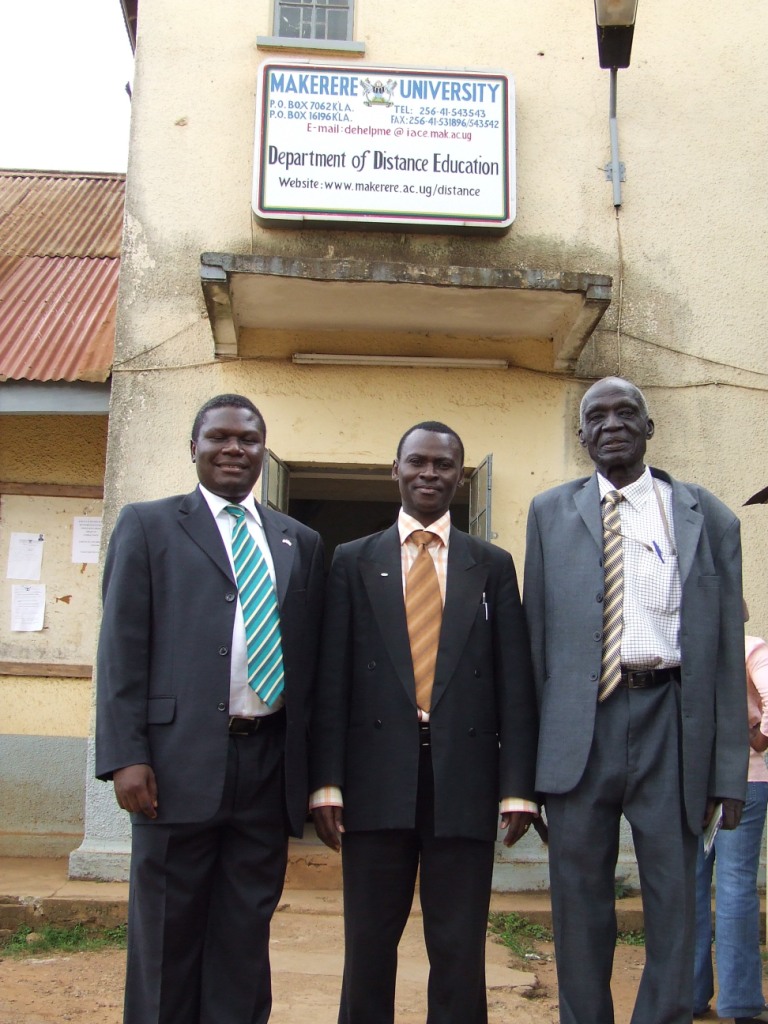
It is just a few days shy of September 22nd, the date Rwot Ananiya Akera, a prominent farmer of Lakwatomer Farm, Gulu and 1943 graduate of Makerere University will celebrate his 96th birthday.
It is just a few days shy of September 22nd, the date Rwot Ananiya Akera, a prominent farmer of Lakwatomer Farm, Gulu and 1943 graduate of Makerere University will celebrate his 96th birthday.
 On 11th August 2009, Mzee Akera paid a courtesy call on his former institution after a period of more than 60 years. Key on his to-do list was to visit a cubicle he once shared with the late Tanzanian President, Mwalimu Julius Nyerere, a prominent African freedom fighter with whom they shared principals of Education. The former Nsubuga Hall currently houses the Department of Distance Education in the Institute of Adult and Continuing Education (IACE).
At 95 years old, the towering and slightly hunched Rwot Akera is one of the oldest living alumni of Makerere University, a major reason he was invited to attend the Makerere-Mazruiana project launch, aimed at recogninising and paying tribute to Makerere’s illustrious alumni, former professors, deans, friends and exceptional supporters. In an interview with the Rwot, he wondered where the government is taking all the money. “We are decaying if an institution like Makerere is not given funding”, he said.
Not like many graduates who opt to work in prestigious offices, education for self reliance is what drove Rwot Akera into farming. He opted to drop teaching, a profession he had acquired from Makerere and in 1948, two years after graduation, he was awarded a trophy as The Top Commonwealth tobacco farmer in Uganda and since then he never looked back. In 1949, he was producing 30% of the country’s Tobacco and employing over 700 workers on his Farm.
 By practically engaging in farming, Rwot Akera discovered that this was the best way to influence others to actively take up the trade. Using his skills as a teacher, he spurred his peers on to earn a living quoting a famous Irish saying “Where there’s muck, there’s money”. Asked about the famine that has killed over 30 people in the Eastern part of the country in relation to his quote, he retorted “Uganda is rich with fertile soils. A country is not worth it if it cannot sustain its own people”.
 Rwot Akera proudly spoke of the then politics free Makerere College which followed the British College curriculum and was affiliated to Oxford University. His well-spoken English is one of the reasons that his former student and President of Uganda, Apollo Milton Obote (RIP) joined Busoga College Mwiri, a school Rwot Akera attended before joining Makerere College. At 96, Rwot Akera managed to stand firm for over 10 minutes to deliver a speech, with clear eyesight and an unwavering voice. He attributed his good health to his hard work that kept him physically active. He further intimated that he doesn’t suffer from mental fatigue, which he considers a key ingredient of poor health because he doesn’t have to worry about money, food and clothes.
“We must change our attitude in Education, sink our differences and put our heads together so that this sorry problem is put down”, this was his advice to the friends, alumni and well-wishers of Makerere University, as a solution to solve the current problems with the education system. He finally requested the Makerere University Management to consider renaming CCE Hall to Mwalimu Julius Nyerere Hall in honor of his late roommate and former Tanzanian President.


General
Are We Giving Enough Attention to the People Around Us Who Quietly Influence Lives Every Day?

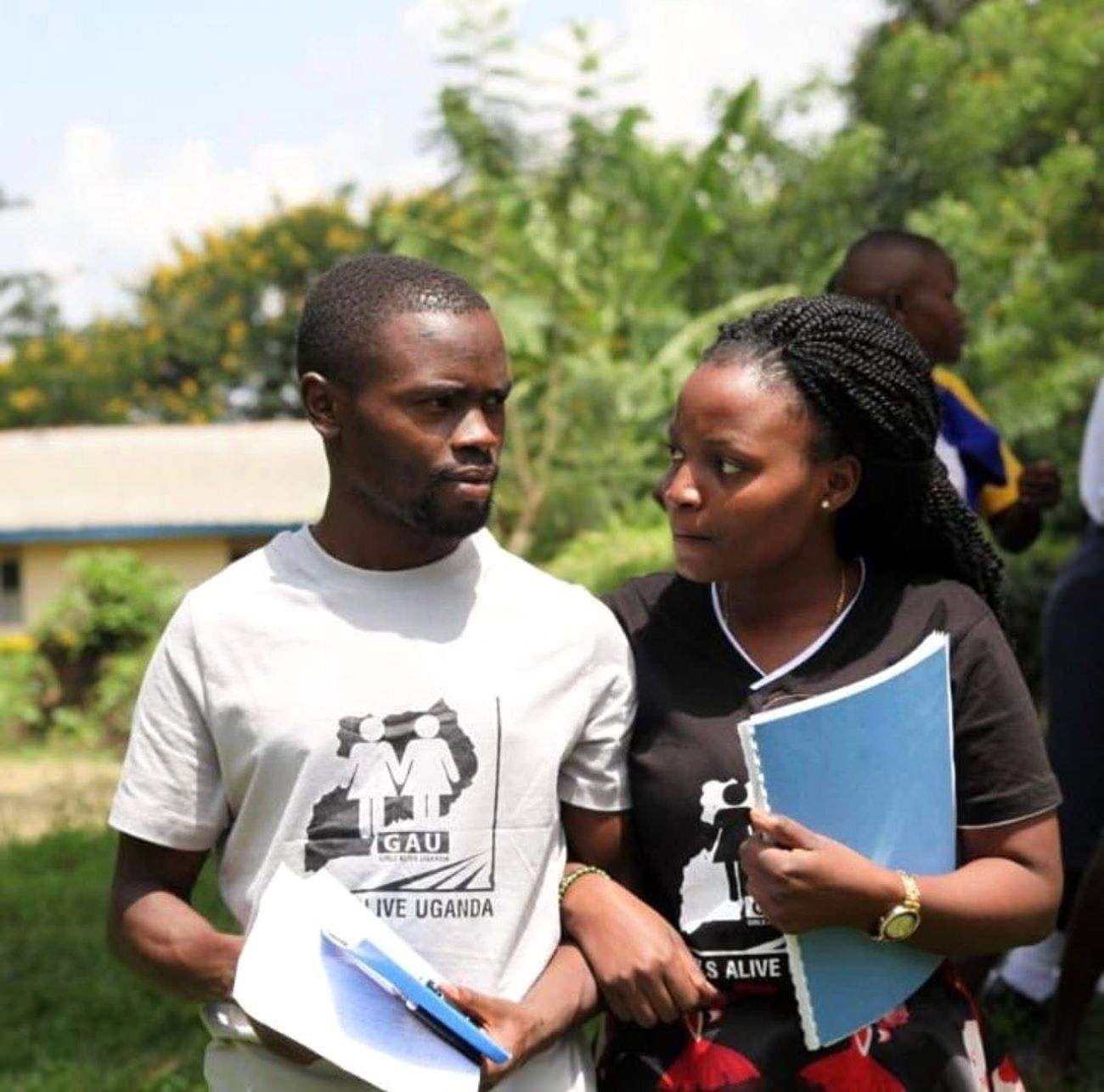
By Marion Apio
On March 21, 2026, I felt a strong urge to reconnect with a close colleague and passionate leader, Owekitinisa Sylas Ruhweza Atwooki. We had not spoken since I moved to the United States to pursue my dream of becoming a journalist. The following day, I learned that he had been quietly undergoing treatment in and out of the hospital. True to his character, he had chosen to keep his condition private. I was shocked and saddened, wishing I had known earlier so I could offer support.
At first, reports from family and friends were encouraging. He had been diagnosed with malaria and low blood platelet counts and was receiving treatment. Respecting his wish for confidentiality, members of the Mastercard Foundation Scholars and Alumni community at Makerere University rallied discreetly around him.
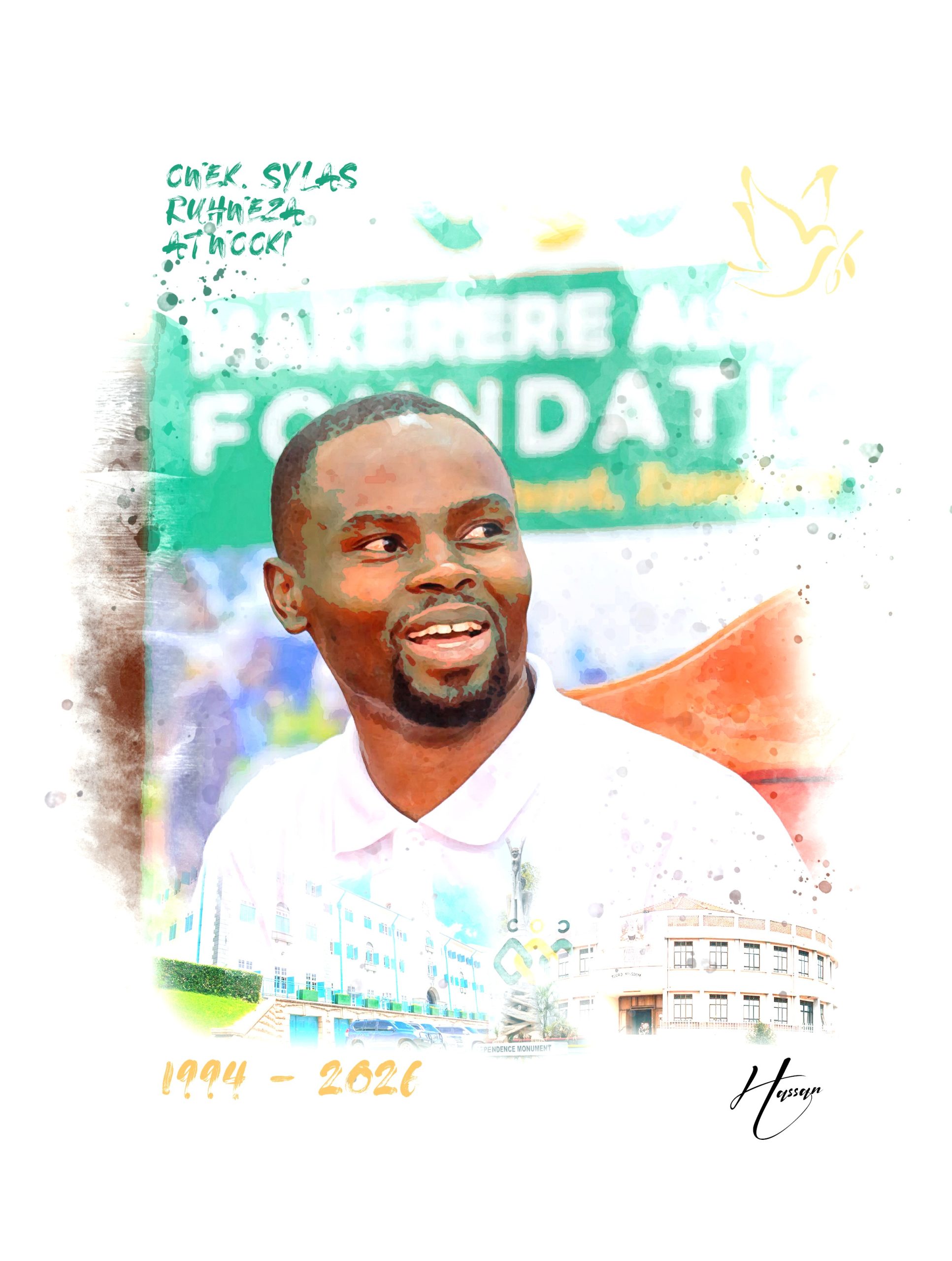
However, on April 29, his condition worsened. He was transferred between medical facilities and underwent extensive tests, including a biopsy, as doctors searched for answers. Sadly, on May 29, Sylas passed away.
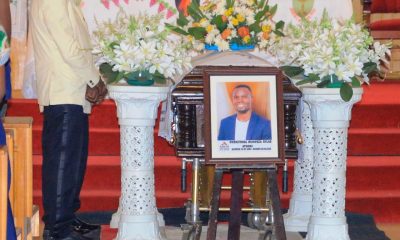
His death sparked an extraordinary outpouring of love and solidarity. Friends, colleagues, and former scholars mobilised to support his family, settle medical expenses, organise virtual vigils, and plan a dignified farewell. Hundreds gathered at St. Augustine Chapel to pay their respects. Within three days, the Mastercard Foundation Scholars and Alumni community raised approximately UGX 11 million, a testament to Sylas’ impact on countless lives.
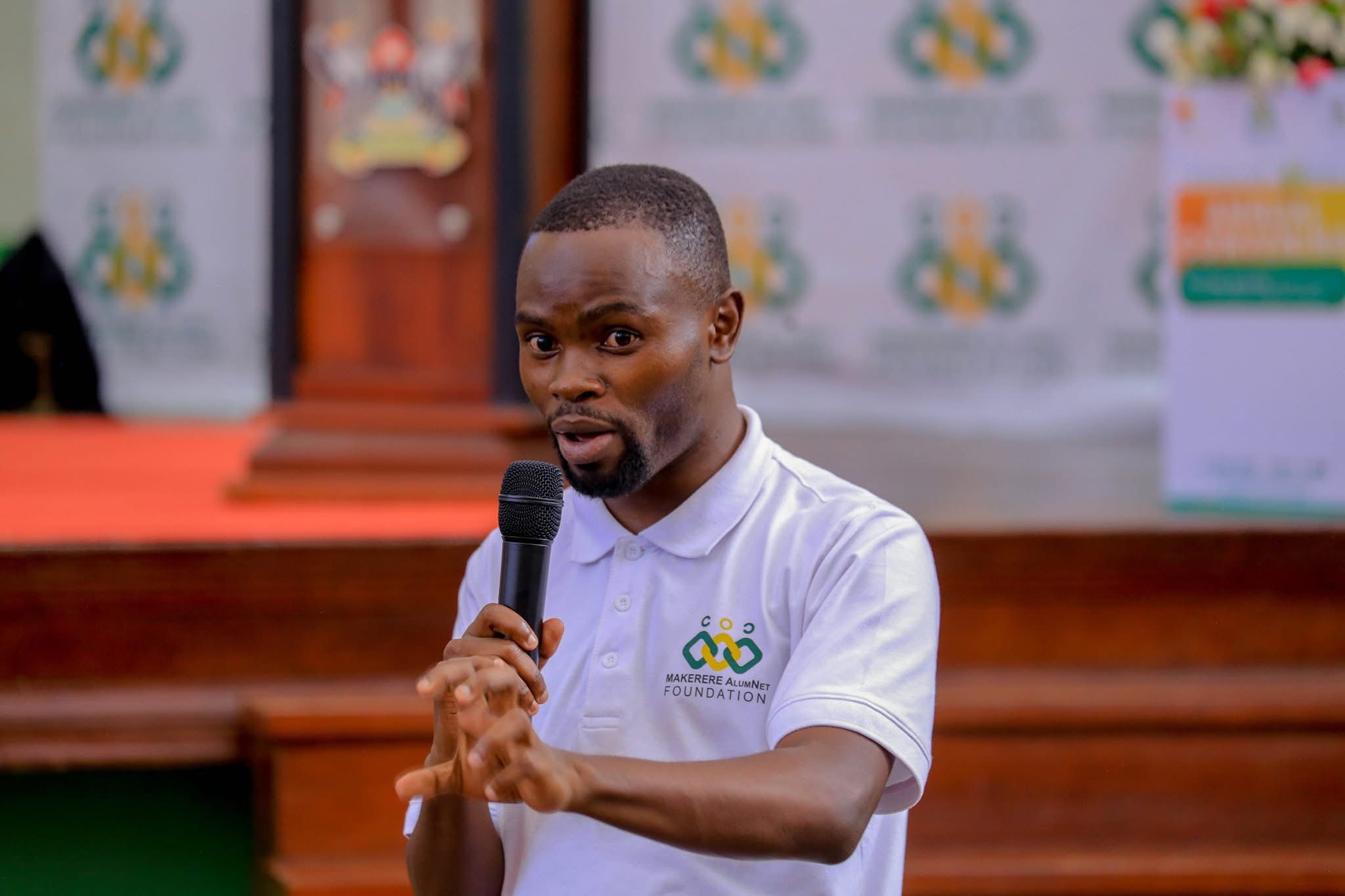
In the days that followed, I found myself wrestling with difficult questions. In a world where we spend so much time following people online, are we paying enough attention to those quietly transforming lives around us? Why do we invest so much emotional energy in distant personalities while overlooking the people God has placed right in front of us?
Sylas lived with humility and served with grace. His death left more than 1,500 Mastercard Foundation scholars and alumni grieving, alongside many others around the world who knew him. Yet his passing also exposed a contradiction in modern life.
We live in an age of unprecedented connectivity. Uganda has millions of internet users and WhatsApp subscribers, while globally, people spend hours each day on social media. We have more tools than ever to stay connected, yet many of us are becoming increasingly disconnected from the people who matter most.

Sylas resisted this trend. Through mentorship, service, and community-building, he remained deeply present in others’ lives. While many people retreat into individual pursuits, he consistently chose connection.
This challenge is especially relevant for Mastercard Foundation scholars and alumni. Every year, young Africans leave home to pursue education and professional opportunities abroad. Distance, time zones, visa restrictions, and rising travel costs make it difficult to maintain relationships and remain actively involved in the communities that helped shape us.
For Sylas, the answer was simple: show up. Celebrate others. Offer support. Stay connected.
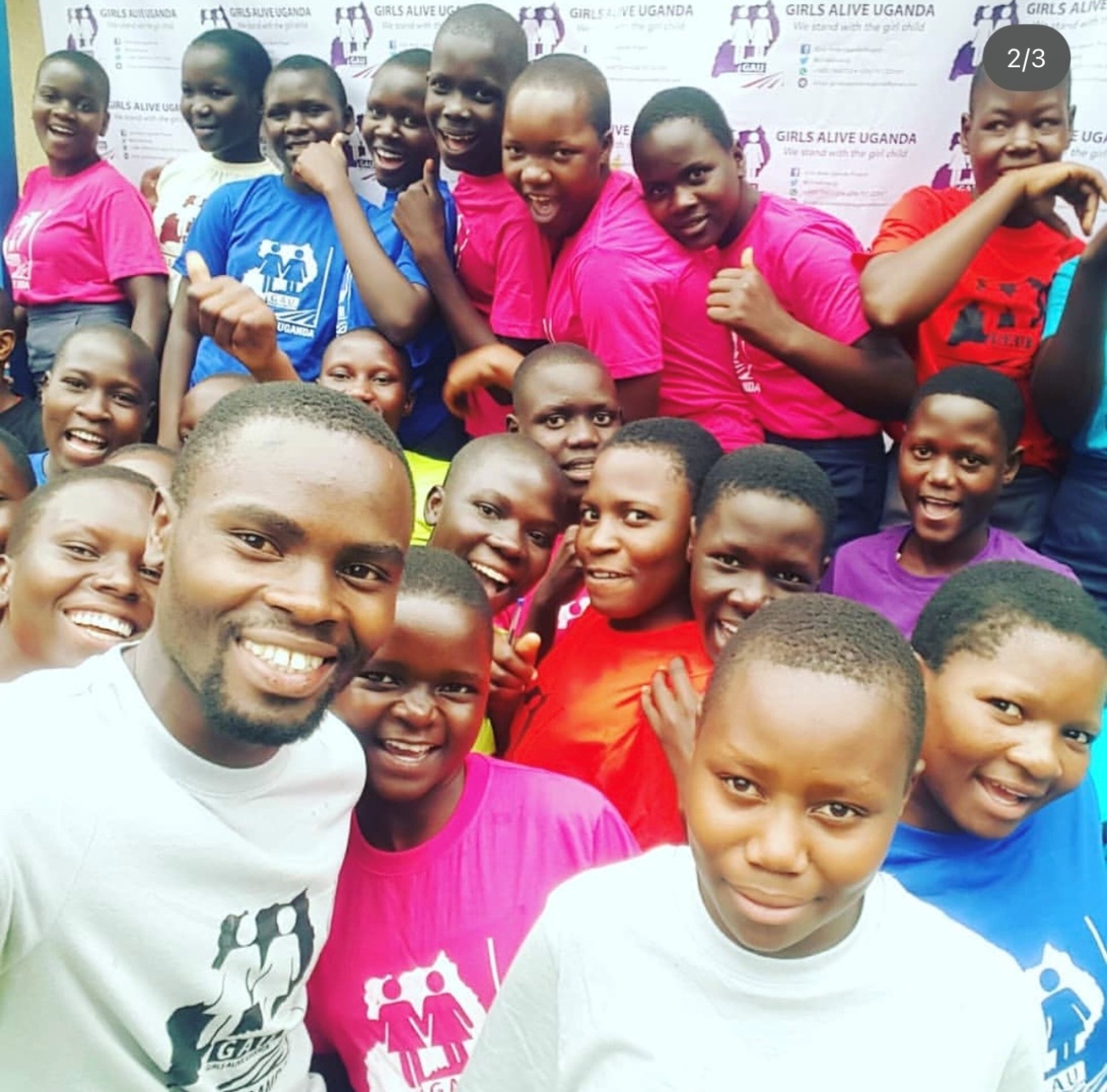
He never allowed geographical or personal barriers to become excuses for disengagement. Even while facing his own struggles, he invested in others. He embodied the values the Mastercard Foundation seeks to cultivate—ethical leadership, service, and community empowerment.
Sylas did not wait for a perfect platform to create change. He simply served where he was. He helped build bridges between education, culture, and professional development while remaining grounded in his values. He dreamed of creating a stronger alumni ecosystem and brought both passion and compassion to every initiative he touched.
Since his passing, social media has been filled with memories of his infectious smile and unwavering commitment to others. Those tributes reveal an important truth: people gave generously because Sylas had first given himself generously to them. People from different backgrounds, generations, and communities showed up because he had spent his life showing up for them. His legacy now challenges all of us.
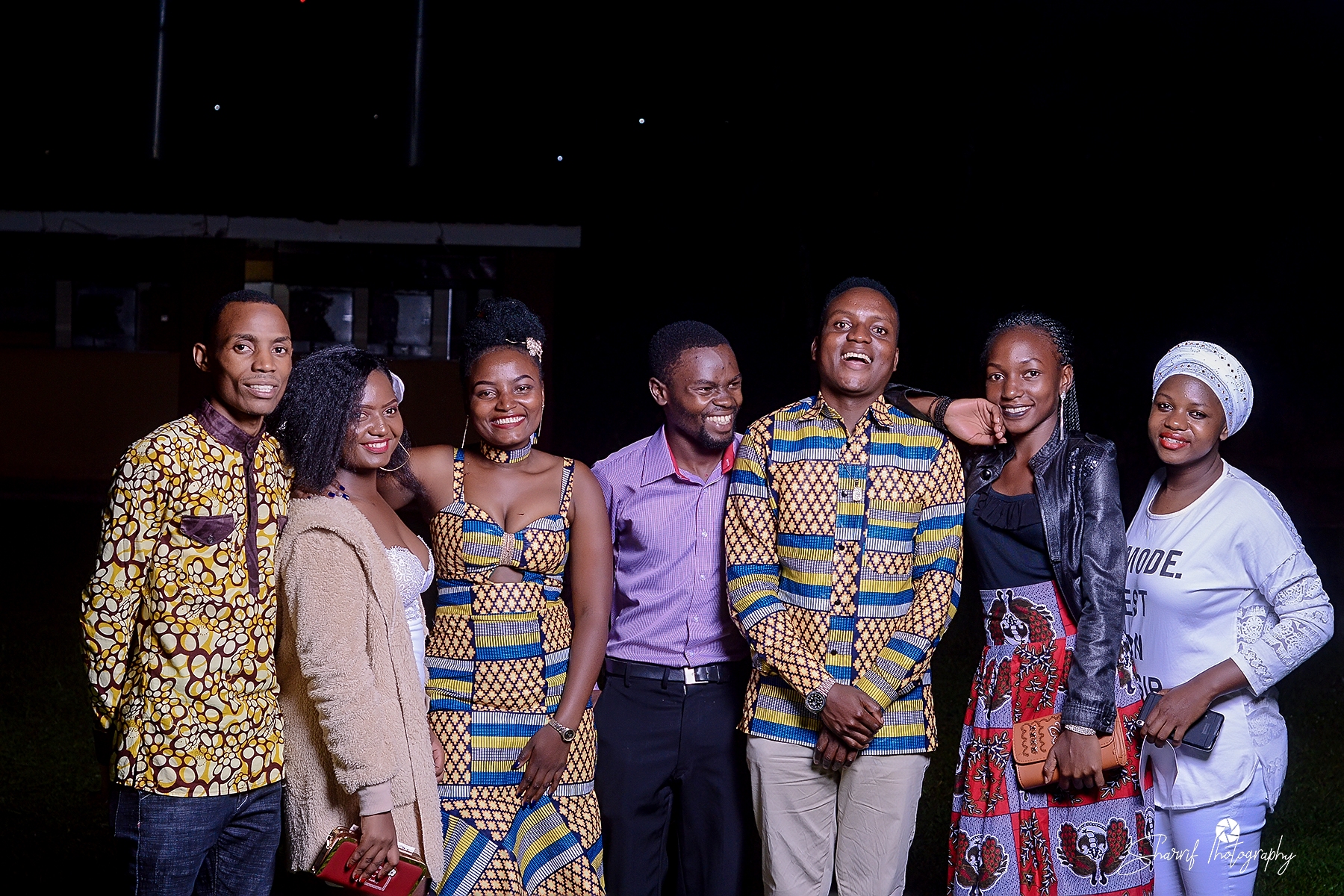
The greatest tribute we can offer is not simply to mourn his loss but to continue his work. That means supporting the causes he cared about, helping the children whose education he championed, strengthening alumni networks, and pursuing the dreams we discussed with him.
The tragedy of modern life is not that we follow people online. It is that too often our attention to distant lives comes at the expense of meaningful relationships nearby. Yet strong relationships are as essential to our well-being as physical health.
As Ugandans, we take pride in our faith, culture, and sense of community. We contribute to fundraisers, attend ceremonies, and support family members in times of need. But increasingly, genuine connection is being replaced by passive digital interaction. Families and communities cannot thrive on likes, retweets, and emojis alone.
They require presence—phone calls, visits, conversations, and the willingness to notice when someone is struggling.
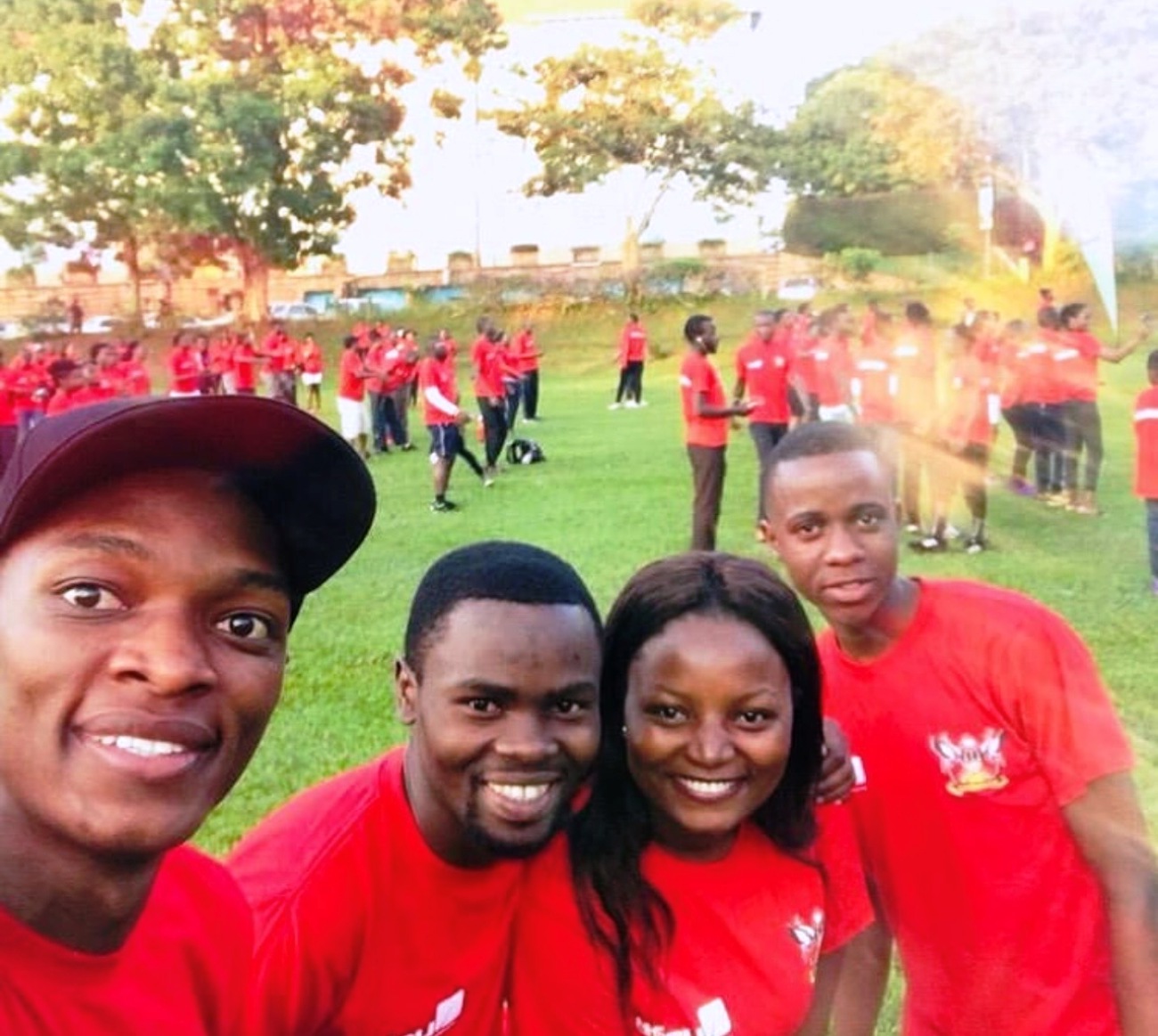
Before spending another hour immersed in the lives of strangers online, look around. Call the friend you have not spoken to in years. Check on a family member. Reach out to a colleague who seems withdrawn. Communities are not built by algorithms or celebrities. They are built by ordinary people who choose, day after day, to care for those within their reach.
Uganda needs more people like Sylas. At just 32 years old, he achieved what many spend a lifetime striving for. He served as Minister of Information in the Toro Kingdom and as President of the Mastercard Foundation Scholars Alumni Association in Uganda. More importantly, he dedicated himself to serving others.
While his death is deeply painful, his life remains a powerful example of how we should live. My prayers and condolences go to his family, friends, and the entire Mastercard Foundation Scholars and Alumni community.
Rest in perfect peace, Owek. Sylas Ruhweza Atwooki.
The author is a Mastercard Foundation Alumna from Makerere University and the University of California, Berkeley. She is a journalist based in Southern California and the CEO of the Debunk Media Initiative.
-
 Agriculture & Environment2 weeks ago
Tribute To Professor Abwoli Yabezi Banana (1951–2026)
-
 General1 week ago
Freshers’ Joining Instructions 2026/2027
-
 General2 weeks ago
Sylas Ruhweza: A Brief Life Marked by Meaningful Accomplishments
-
 General2 weeks ago
Makerere University Pushes for Stronger Support for Research Ethics Committees amid Growing Research Demands
-
 General2 weeks ago
Hundreds attend Sylas Ruhweza’s Requiem Mass